

Trusted Execution Environment for AI Explainer
A trusted execution environment, or TEE, is an isolated computing region designed to protect code and data while they are in use. Hardware enforces separation from the normal operating system and other software on the machine.
For AI, a TEE can hold model weights, sensitive inputs, or selected inference steps. Remote attestation may let a client verify which approved code is running before it sends secrets into the protected region.
TEEs can offer lower overhead than some cryptographic computation methods, but their trust moves into processor design, firmware, attestation services, and enclave code. Memory limits may also require a workload to cross the protected boundary repeatedly.
Side channels, implementation bugs, rollback, compromised dependencies, and exposed inputs or outputs remain concerns. Teams should minimize the trusted code base, patch hardware and firmware, verify attestation, and combine TEEs with ordinary security controls.
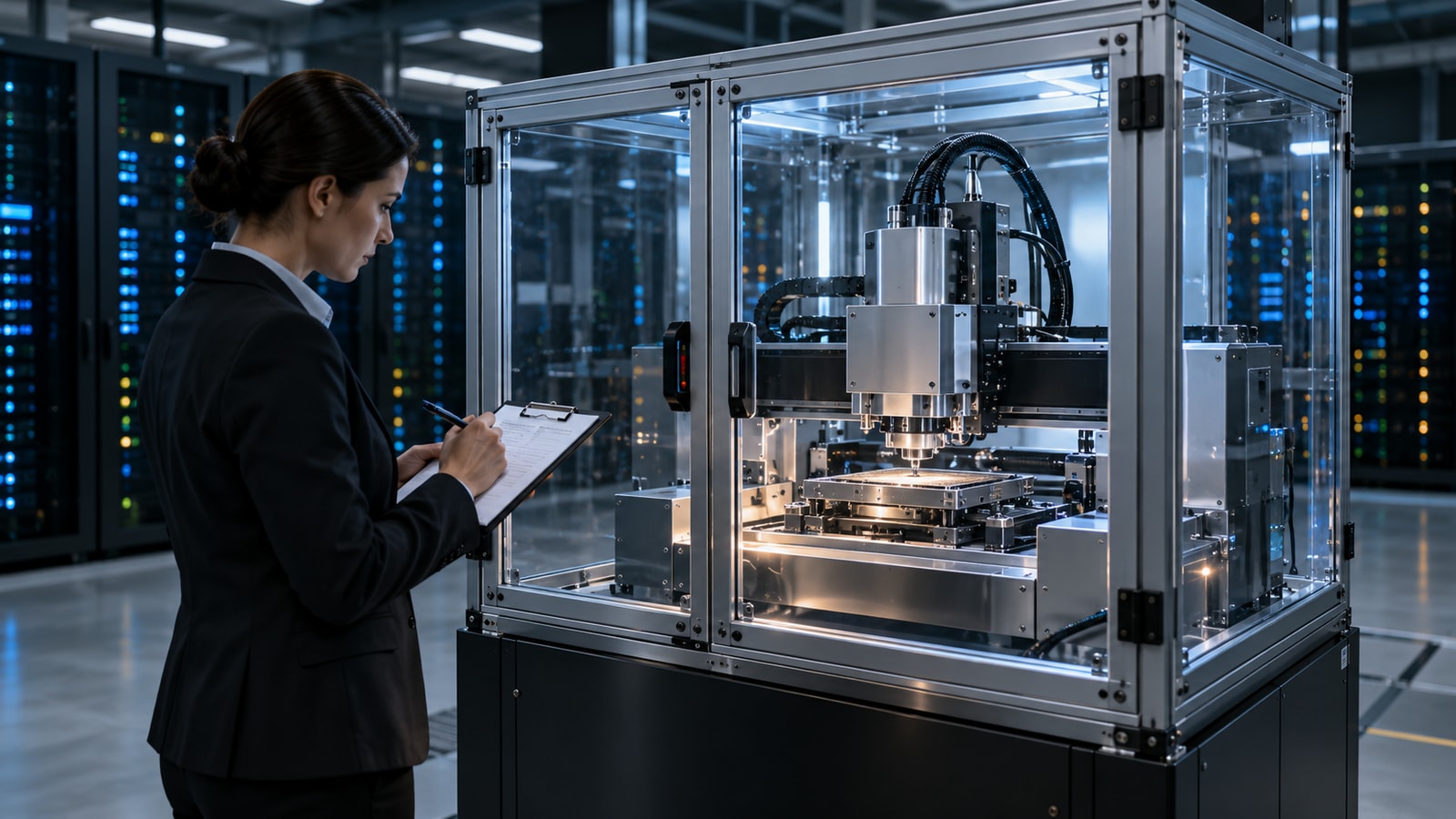
A trusted execution environment isolates AI code and data inside a protected hardware-backed region while computation is taking place.
Key terms include enclave, isolation, data in use, attestation, trusted code base, side channel, firmware, boundary and model weights.
Approved code and data execute inside an isolated hardware-backed environment.
Attestation can help a remote party verify the environment before releasing secrets.
Hardware, firmware, enclave code, and boundary crossings can contain vulnerabilities.
A TEE complements rather than replaces broader system security.
Explore more "Explainers"
Discover additional explainers across politics, science, business, technology, and other fields. Each explainer breaks down a complex idea into clear, everyday language—helping you better understand how major concepts, systems, and debates shape the world around us.