

Batch Size Explainer
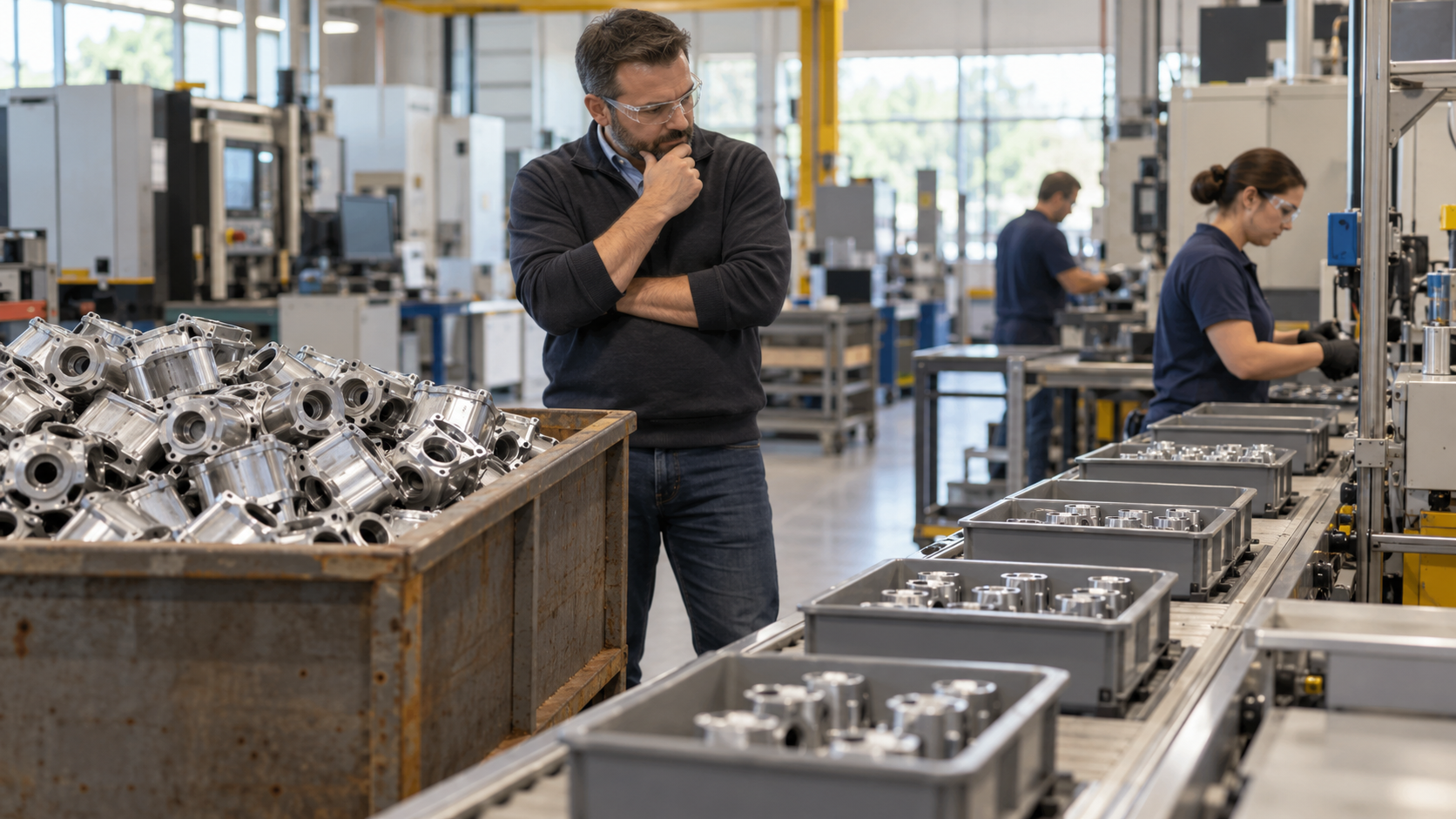
Batch size is the quantity of items produced, processed, or ordered together before a changeover or replenishment event. Larger batches spread fixed setup or ordering effort across more units, which can reduce an apparent cost per unit.
But large batches also create inventory, waiting, longer lead times, storage needs, and exposure to demand changes or defects. Work can sit in queues while the full batch is completed. A problem discovered late may affect many units before the process stops.
Smaller batches improve feedback and flexibility but require more frequent setup, coordination, transport, or inspection. Reducing changeover time and improving reliability can make small batches economical. Supplier minimums, transport capacity, and process chemistry may impose real constraints.
Choose batch size from total system cost and service, not one machine’s utilization. Consider demand rate, setup effort, variability, shelf life, quality risk, and downstream capacity. Test changes carefully, because making one step faster can simply move congestion elsewhere.
More units share the fixed effort of ordering or changeover.
This benefit must be weighed against inventory and delay.
Problems appear sooner and products move through the system faster.
Frequent setup must be practical and reliable.
Local machine efficiency can increase queues and working capital.
Measure total lead time, quality, service, and cost.
Explore more "Explainers"
Discover additional explainers across politics, science, business, technology, and other fields. Each explainer breaks down a complex idea into clear, everyday language—helping you better understand how major concepts, systems, and debates shape the world around us.