

Antioxidants Explainer
Antioxidants are natural compounds that help safeguard our cells from oxidative stress — a process caused by unstable molecules known as free radicals. These molecules form as a normal part of metabolism, but external factors like pollution, smoking, and UV exposure can accelerate their production. When free radicals build up faster than the body can neutralize them, they may damage cells and DNA, contributing to chronic disease and faster aging.
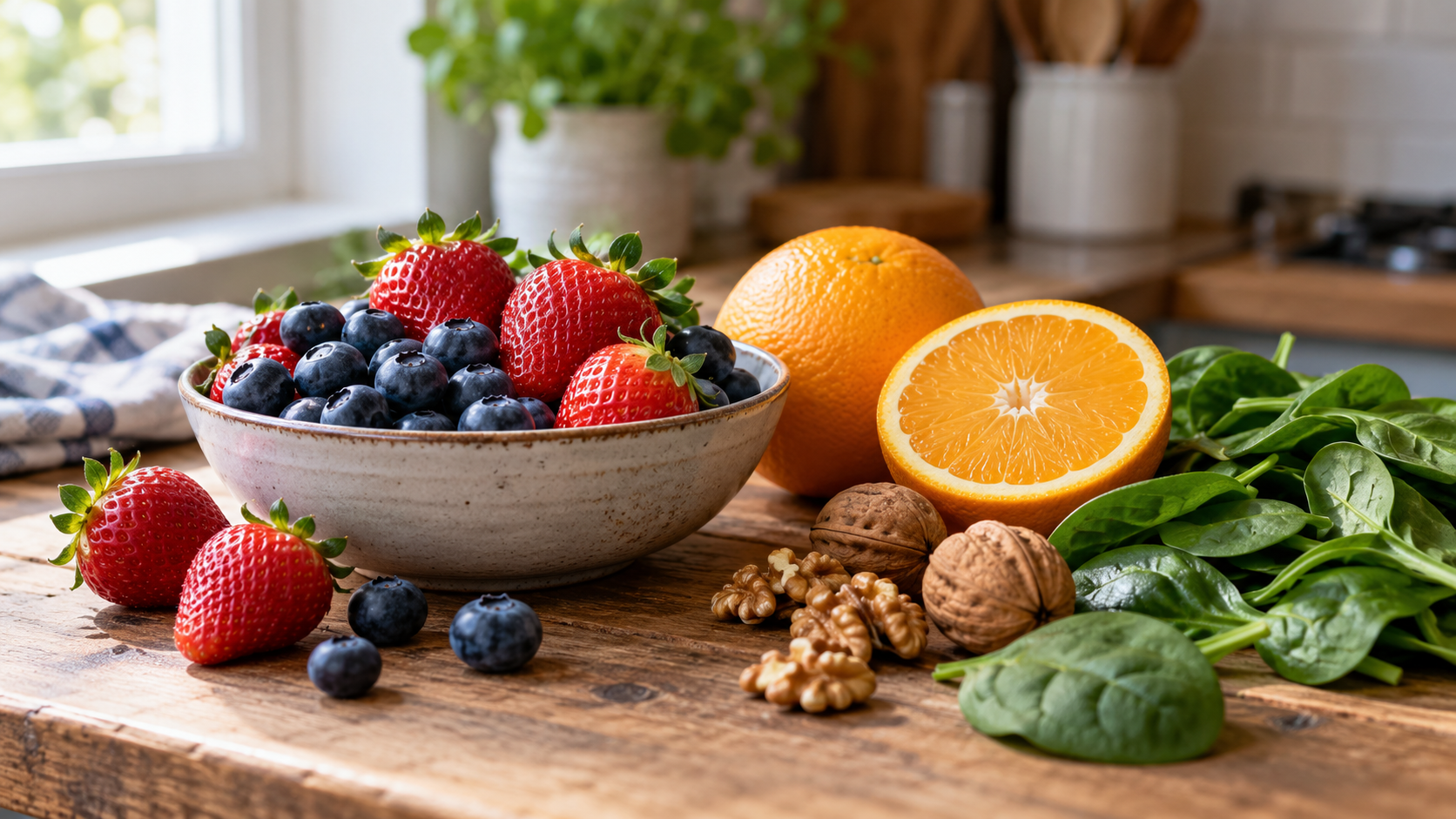
The body produces some antioxidants on its own, but many come from a balanced diet. Vitamins C and E, beta-carotene, and selenium are well-known antioxidant nutrients found in colorful fruits, vegetables, nuts, seeds, and whole grains. Plant foods also provide polyphenols and flavonoids — powerful antioxidants that support heart and brain health. Together, these compounds help reduce inflammation, reinforce the immune system, and maintain cellular structure.
Research suggests that antioxidants play a role in lowering the risk of conditions like heart disease, certain cancers, and eye disorders. However, context matters. While antioxidant-rich foods consistently show health benefits, high-dose supplements haven’t proven to offer the same protection — and in some cases may interfere with the body’s natural defenses. Scientists continue to explore how antioxidants work within different systems of the body and how lifestyle choices influence their effectiveness.
Focusing on whole foods remains the most reliable strategy for supporting the body’s antioxidant defenses. A plate filled with a variety of colors — from berries and leafy greens to tomatoes and carrots — can ensure a wide mix of protective nutrients. Antioxidants may not stop aging or disease entirely, but they play a crucial part in maintaining long-term health and resilience.
Antioxidants are natural or synthetic compounds that protect the body’s cells from oxidative stress — damage caused by unstable molecules known as free radicals. These free radicals form during normal metabolism but also increase due to pollution, smoking, UV exposure, and other environmental stressors.
The concept of antioxidants gained scientific traction in the 20th century as researchers connected oxidative stress to aging and chronic diseases. Today, antioxidants are recognized as a vital part of nutrition and cellular defense, found in many fruits, vegetables, nuts, and whole grains.
Antioxidants neutralize free radicals by stabilizing them before they can harm cells or DNA. The body naturally produces some antioxidants, but many come from foods rich in vitamins A, C, and E, selenium, and plant compounds like polyphenols and flavonoids.
By reducing oxidative damage, antioxidants support heart and brain health, the immune system, and normal aging processes. However, while antioxidant-rich foods consistently show benefits, high-dose supplements have not demonstrated the same protective effects and can sometimes disrupt natural defense mechanisms.
Scientists continue to study how antioxidants influence disease risk, especially cancers, cognitive decline, and cardiovascular conditions. Evidence supports eating whole foods to obtain a broad mix of antioxidant compounds that work together in the body.
Experts caution against assuming antioxidants are a cure-all. Too much supplementation may reduce the body’s own stress response and has shown mixed results in clinical trials. The strongest health guidance remains focusing on a diverse, colorful diet to support the body’s natural ability to manage oxidative stress.
Explore more "Explainers"
Discover additional explainers across politics, science, business, technology, and other fields. Each explainer breaks down a complex idea into clear, everyday language—helping you better understand how major concepts, systems, and debates shape the world around us.