

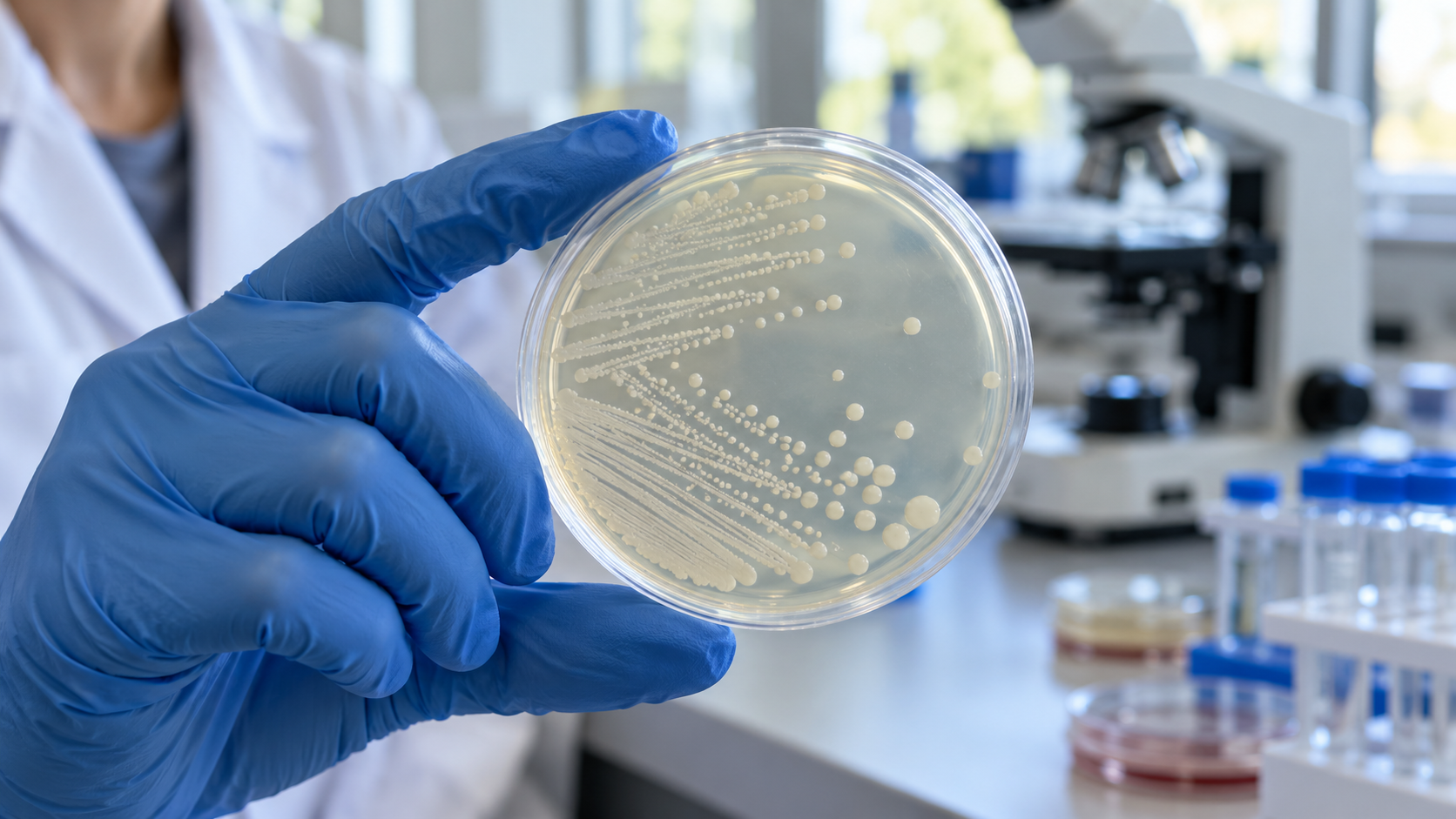
Bacteria Explainer
Bacteria are single-celled microorganisms that exist everywhere on Earth—from deep ocean vents to the surfaces we touch and the tissues inside the human body. Their structure is simple compared to plant or animal cells, yet their ability to adapt, survive, and reproduce rapidly has allowed them to thrive for billions of years. In humans, bacteria play an essential role in health and disease. Each person hosts trillions of these microbes, many of which live in the gut and help digest food, produce vitamins, and maintain a balanced immune response. Without beneficial bacteria, everyday life and survival would look very different.
Not all bacteria support health, however. Some species act as pathogens that can invade tissues, release toxins, and trigger infectious diseases ranging from strep throat to pneumonia and tuberculosis. These harmful organisms can spread through contaminated food and water, direct contact, or airborne droplets, making public health practices such as vaccination, sanitation, and antibiotics vital tools in infection control. But antibiotic resistance has become a growing challenge as some bacteria evolve defenses against treatments that once reliably eliminated them, underscoring the need for careful medication use and continued scientific innovation.
Researchers now recognize that maintaining healthy bacterial communities—often called the microbiome—is an important part of preventive care and long-term wellness. Disruptions to this ecosystem, whether from poor diet, stress, or unnecessary antibiotics, have been linked to digestive problems, allergies, metabolic disorders, and even mood changes. Scientific advancements such as probiotics, microbiome-focused therapies, and rapid diagnostic tools are helping medical professionals understand how to better support beneficial bacteria while combating harmful infections. As research continues, the relationship between humans and bacteria remains one of the most important frontiers in modern health.
Bacteria are single-celled microorganisms that have existed on Earth for billions of years and are found almost everywhere—from soil and water to the human body. They come in many shapes and types, and while some cause disease, many others are essential for life, supporting ecosystems and human health.
In people, bacteria colonize the skin, mouth, gut, and other surfaces, forming complex communities known as the microbiome. These microbes help digest food, produce vitamins, train the immune system, and compete with harmful organisms. Understanding how bacteria evolved and interact with us is central to modern biology and medicine.
In everyday life, bacteria influence health in both helpful and harmful ways. Beneficial gut bacteria aid digestion, support metabolism, and help regulate inflammation. On the skin and mucous membranes, normal bacterial flora create a protective barrier that can limit the growth of more dangerous microbes.
Pathogenic bacteria, however, can invade tissues and cause infections such as strep throat, urinary tract infections, or pneumonia. They may spread through contaminated food and water, close contact, or airborne droplets. Public health measures—like handwashing, safe food handling, clean water systems, vaccines, and appropriate antibiotic use—are key parts of managing bacterial risks in real-world settings.
One of the biggest challenges in bacterial health is antibiotic resistance, which occurs when bacteria adapt so that medicines no longer work as well. Overuse and misuse of antibiotics in healthcare and agriculture can accelerate this process, making some infections harder, and sometimes much more expensive, to treat.
At the same time, there is growing debate about how our efforts to control harmful bacteria affect beneficial ones. Questions around over-sanitization, the impact of broad-spectrum antibiotics on the microbiome, and the promise of probiotics or microbiome-based therapies are all active areas of research. The goal is to find a balance—reducing dangerous infections while preserving the bacteria that support long-term health.
Explore more "Explainers"
Discover additional explainers across politics, science, business, technology, and other fields. Each explainer breaks down a complex idea into clear, everyday language—helping you better understand how major concepts, systems, and debates shape the world around us.