

Bone Density Explainer
Bone density refers to the amount of mineral content—primarily calcium and phosphorus—packed into the structure of bones. Higher density generally means stronger bones that are less likely to break under stress. Throughout childhood, bones grow rapidly, gaining strength and mass. By early adulthood, most people reach peak bone density, the point at which bones are at their strongest. After that, bone tissue continually breaks down and rebuilds itself, and the balance between these processes plays a major role in long-term bone health.
As people age, the body’s ability to rebuild bone gradually slows. Hormonal changes—especially reduced estrogen in women after menopause and lower testosterone in men later in life—can accelerate bone loss. If bone density drops too far, the skeleton becomes fragile, increasing the risk of fractures from seemingly minor falls or everyday movements. Osteopenia describes lower-than-normal bone density, while osteoporosis is a more severe condition marked by porous, brittle bones. These conditions often progress silently, making routine screening important for those with risk factors.
Nutrition and lifestyle strongly influence bone density over a lifetime. Calcium and vitamin D are critical: calcium strengthens bone structure, while vitamin D helps the body absorb and use calcium effectively. Weight-bearing activities, such as walking, jogging, and strength training, stimulate bone growth and help slow age-related decline. Other factors—like excessive alcohol use, smoking, long-term corticosteroid use, inactivity, and certain medical conditions—can weaken bones and increase the likelihood of fractures. Bone density tests, typically done using a DEXA scan, allow healthcare providers to assess fracture risk and guide prevention or treatment strategies.
Protecting bone density is not only important for healthy aging—it supports mobility, independence, and overall quality of life. Preventive care that begins early and continues throughout adulthood can significantly reduce the risk of debilitating fractures later on. Whether through diet, exercise, or medical intervention when needed, taking steps to maintain strong bones is a vital part of lifelong health.
Bone density refers to how much mineral, mainly calcium and phosphorus, is packed into a given area of bone. It is a key indicator of bone strength and the risk of fractures. During childhood and adolescence, bones grow and mineralize quickly, leading to a peak in bone density in early adulthood.
After peak bone mass is reached, usually in the late teens to 20s, the body constantly breaks down and rebuilds bone. Factors like hormones, nutrition, physical activity, genetics, and certain medications all influence this balance. When bone breakdown outpaces bone formation over time, bone density falls, increasing the risk of osteopenia and osteoporosis.
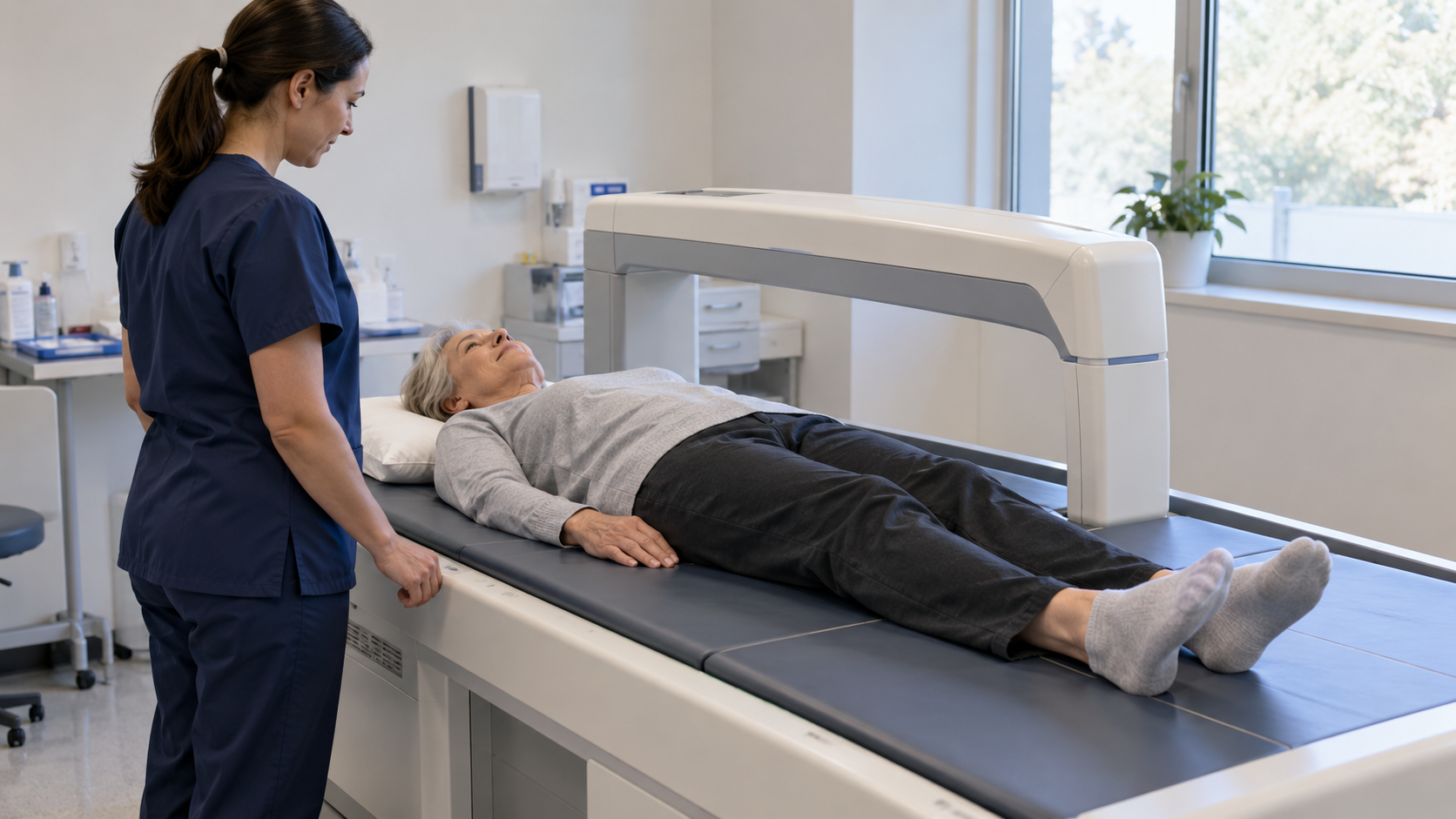
In practice, bone density is most commonly assessed using a DEXA (dual-energy X-ray absorptiometry) scan. This quick, low-radiation test measures the density of bones in areas like the hip and spine and compares results to reference values. The scores help classify bone status as normal, osteopenic, or osteoporotic and guide decisions about prevention or treatment.
Management focuses on slowing or reversing bone loss and reducing fracture risk. Healthcare providers may recommend weight-bearing exercise, strength training, adequate calcium and vitamin D, and lifestyle changes such as quitting smoking and limiting alcohol. In higher-risk cases, medications that slow bone breakdown or promote bone formation may be prescribed, alongside fall-prevention strategies at home and in daily activities.
Bone density is an important piece of the fracture-risk puzzle, but it is not the only factor. Age, prior fractures, family history, certain diseases, medications, and balance or vision problems also affect risk. This means some people with “normal” bone density may still experience fractures, while others with low density may not.
There is ongoing discussion about who should be screened, how often to repeat scans, and how aggressively to treat mild bone loss. Some experts raise concerns about overdiagnosis and overtreatment, while others focus on underdiagnosis in groups less likely to receive screening. Despite these debates, most guidelines emphasize a combination of lifestyle measures, individualized risk assessment, and targeted use of medications to protect bone health over a lifetime.
Explore more "Explainers"
Discover additional explainers across politics, science, business, technology, and other fields. Each explainer breaks down a complex idea into clear, everyday language—helping you better understand how major concepts, systems, and debates shape the world around us.