

Sleep Apnea Explainer
Sleep apnea is a condition in which breathing repeatedly stops or becomes too shallow during sleep. The interruptions can disturb sleep and affect oxygen levels, sometimes without the person remembering an awakening. Loud snoring, witnessed pauses, or gasping can be clues. Daytime sleepiness, poor concentration, and morning headaches may also occur. Snoring alone does not establish sleep apnea, and an apparently long night in bed does not guarantee restorative sleep.
The most common form, obstructive sleep apnea, occurs when the upper airway repeatedly narrows or closes during sleep. Central sleep apnea involves a different problem with the signals controlling breathing. The distinction matters because treatment needs can differ. Anatomy, body weight, age, and other medical factors may influence risk, but the condition should not be judged solely from someone’s appearance or assumed to affect only one type of person.
Assessment includes the medical history, symptoms, examination, and sleep testing. An overnight study can record breathing and other signals to clarify whether apnea is present and how severe it is. Some people use a home test, while others need a study in a sleep laboratory. The appropriate test depends on circumstances. A consumer sleep tracker cannot automatically replace a clinical investigation or exclude disease when symptoms are concerning.
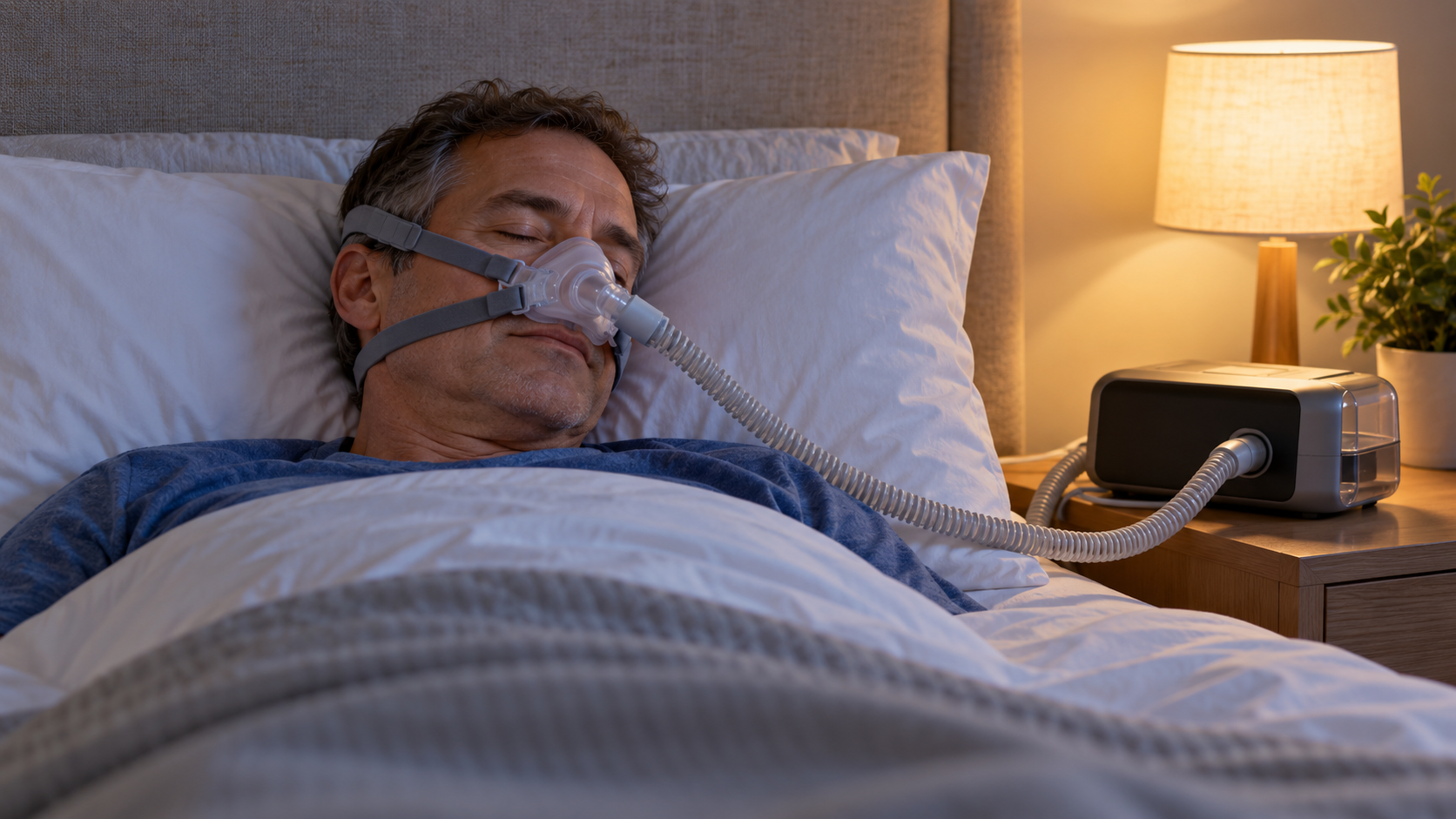
Treatment may include positive airway pressure, an individually fitted oral appliance, lifestyle measures, or selected procedures. Continuous positive airway pressure, known as CPAP, delivers air through a mask to help keep the airway open. Follow-up addresses comfort and effectiveness. Untreated sleep apnea can affect health and safety, so substantial daytime drowsiness deserves attention. Avoid driving or other hazardous activities when sleepy and seek professional advice about managing the risk.
A partner may notice repeated pauses or choking sounds that the sleeper does not remember. Those observations can be useful at an appointment, along with details about fatigue and daily function. Symptoms may be mistaken for simply needing more sleep. A person who struggles to stay alert despite enough opportunity to sleep should discuss it with a clinician, who can consider apnea and other possible causes.
Sleep fragmentation can affect concentration, mood, decision-making, and reaction time. Sleep apnea is also associated with cardiovascular and other health problems. These connections explain why assessment extends beyond whether snoring bothers someone else. Risk varies, and diagnosis does not predict a particular complication for every patient. Treatment decisions consider the severity, symptoms, other conditions, and the person’s ability to use the proposed approach.
A sleep study evaluates breathing events and their effects over the recorded night. Clinicians interpret the results alongside symptoms and medical history, rather than relying on a single score without context. Home testing is useful for selected people but may not answer every question about sleep or breathing. If findings do not explain continuing symptoms, a clinician can consider whether further assessment or another kind of study is needed.
Preparing for a test should follow the sleep service’s instructions. Discuss medicines and existing conditions rather than independently stopping treatment to change a result. Understanding what equipment to use and how to return it helps make a home study reliable. An inconclusive recording may need to be repeated. The aim is information that can guide care, not merely a reassuring-looking number from an overnight device.
CPAP provides pressure through the nose or mouth; it is not simply an oxygen supply. Mask fit, leaks, dryness, and adjustment difficulties can affect use, so report problems to the care team. Changes in fit or settings may help, with professional guidance. An oral appliance or a selected procedure may suit some people. Buying a generic anti-snoring product is not equivalent to checking that diagnosed apnea is controlled.
Regular sleep routines, appropriate activity, weight management when relevant, and review of alcohol or sedating medicines can support treatment. They should fit the clinical plan rather than replace effective therapy without assessment. Continued follow-up checks symptoms and response as circumstances change. Consistent use of prescribed treatment matters, and persistent sleepiness needs review. The practical goal is better breathing and functioning, with treatment that the person can sustain.
Explore more "Explainers"
Discover additional explainers across politics, science, business, technology, and other fields. Each explainer breaks down a complex idea into clear, everyday language—helping you better understand how major concepts, systems, and debates shape the world around us.