

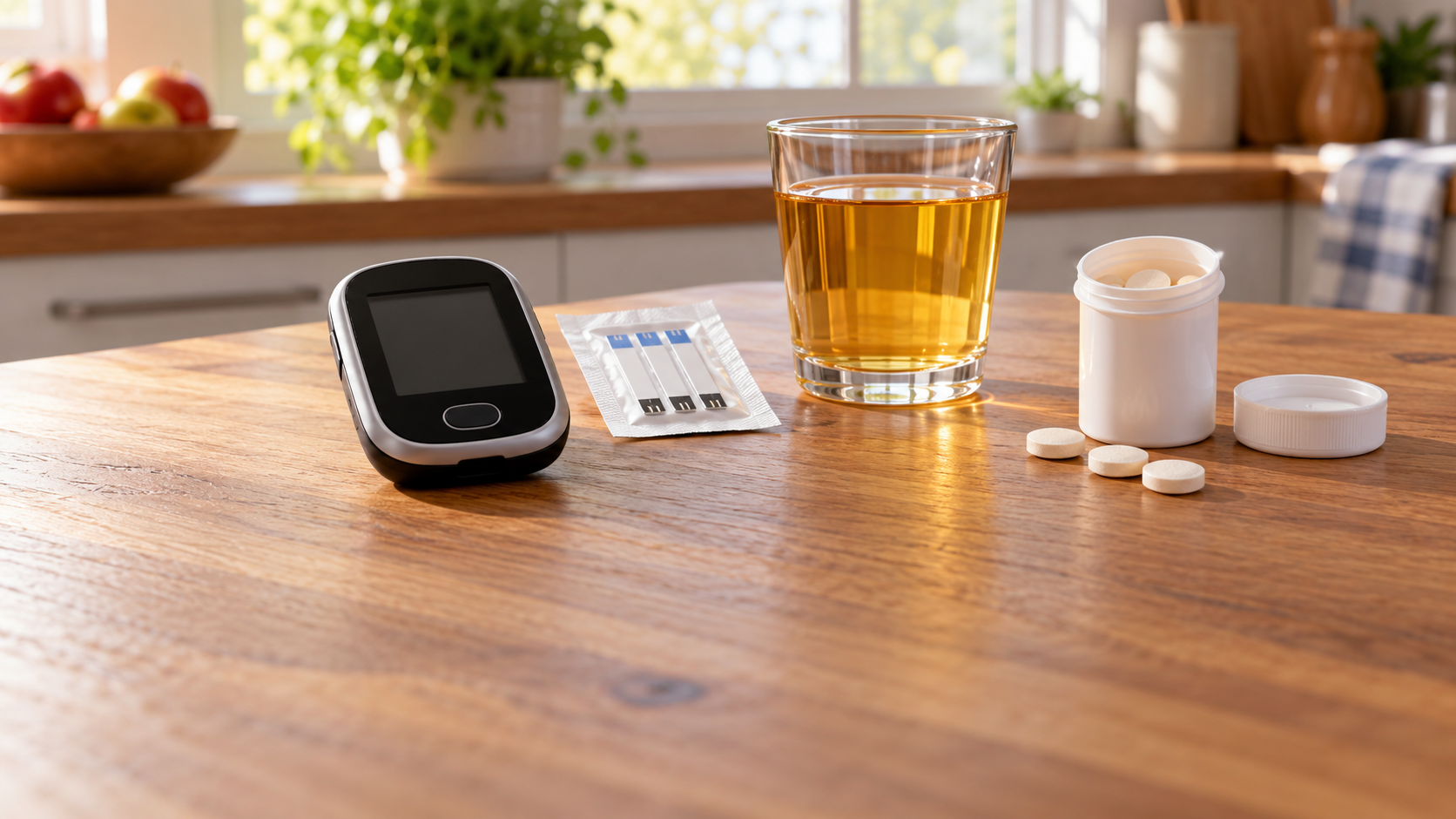
Health Screening Explainer
Health screening is the use of a test, examination or questionnaire to look for a condition before a person notices symptoms. It is different from diagnostic testing, which begins after a symptom, injury or concern. Screening can be useful when finding a condition earlier gives someone a meaningful chance to prevent complications, begin monitoring or choose treatment sooner. A blood-pressure reading, a cervical cancer test and some newborn tests are familiar examples, but every screening program has a specific target group and purpose.
A screening result is not the same as a diagnosis. Most screening tools are designed to flag people who may need a closer look, so a positive result commonly leads to a more definitive test. That second step helps sort true positives from false positives. Screening can also miss a condition, producing a false negative. Those tradeoffs matter because follow-up tests can bring cost, worry and sometimes medical risk, while a missed condition can delay care. A useful screening program weighs those harms against the expected benefit of acting earlier.
Recommendations are therefore rarely one-size-fits-all. Age, sex, pregnancy, family history, smoking, medicines, previous results and other risks can change whether a test is appropriate and how often it is repeated. A test that benefits a population with a higher baseline risk may offer little value, or more false alarms, for people at lower risk. Medical groups periodically update recommendations as evidence improves, which is why old checklists should not replace a current conversation with a clinician.
Screening is most effective when it comes with a clear plan for the next step. Before testing, it can help to understand what the test looks for, what a positive or negative answer can and cannot tell you, and what follow-up would involve. A normal screen does not erase new symptoms or a strong family history, and an abnormal screen does not by itself prove disease. Used thoughtfully, screening is a preventive tool: it helps identify who may benefit from more information before a health problem becomes harder to address.
Screening is an early check for people who may feel well; diagnostic testing investigates a particular symptom, finding or concern. A screening result often needs confirmation before it can guide a diagnosis.
Because no screen is perfect, a positive result may need a different test, repeat measurement or clinical review. Follow-up turns a preliminary signal into information that can be interpreted in context.
The best timing and test depend on the condition and a person’s risks. Current recommendations and a clinician’s judgment can help match screening to the individual rather than relying on a generic checklist.
Fast-acting carbohydrate is intended to raise glucose promptly. Check product instructions to obtain the planned amount. Fatty foods such as chocolate and high-fibre foods can slow absorption, so they are not the first choice for treating a low. After glucose recovers, a snack or meal may help maintain it; follow advice about timing. Certain medicines require glucose specifically, making a written treatment plan especially useful.
Never give food or drink to someone who is unconscious or cannot swallow safely. Call emergency services and follow their instructions. If prescribed glucagon is available and someone knows how to use it, give it according to the product and emergency plan. Glucagon may be supplied as an injection or nasal treatment. Stay with the person; emergency assessment is still needed after a severe episode and glucagon treatment.
Repeated lows, episodes during sleep or difficulty recognising warning signs need discussion with the diabetes team. Review glucose records alongside medicine timing, meals, activity and illness to identify possible patterns. The team may adjust treatment or targets. Do not independently stop necessary medication because of fear of another episode. A workable plan should reduce risk while supporting overall diabetes management.
A continuous glucose monitor may help selected people recognise low levels through readings and alerts. Ask whether it is appropriate and what to do when an alert appears or a reading seems inconsistent with symptoms. Technology supports a response plan; it does not eliminate the need to know how to treat a low. People with impaired awareness may need additional monitoring and advice tailored to their circumstances.
Carry a suitable fast-acting carbohydrate and make sure it is available during travel, exercise and other activities. Changes in routine can alter glucose needs. Discuss how to plan for increased activity, delayed meals or fasting, including before medical procedures. Activity can affect levels afterwards as well as during exercise. Check and adjust according to the agreed plan, rather than guessing a medicine change from a general article.
Family, friends and carers should know the warning signs, where treatment is stored and how to obtain emergency help. If glucagon is prescribed, teach those likely to assist how to use that particular product and check its expiry date. Medical identification can help others understand the situation. A low is easier to manage when supplies, instructions and support are ready before confusion makes it difficult for the person to act.
Explore more "Explainers"
Discover additional explainers across politics, science, business, technology, and other fields. Each explainer breaks down a complex idea into clear, everyday language—helping you better understand how major concepts, systems, and debates shape the world around us.