

Citizen Journalism Explainer
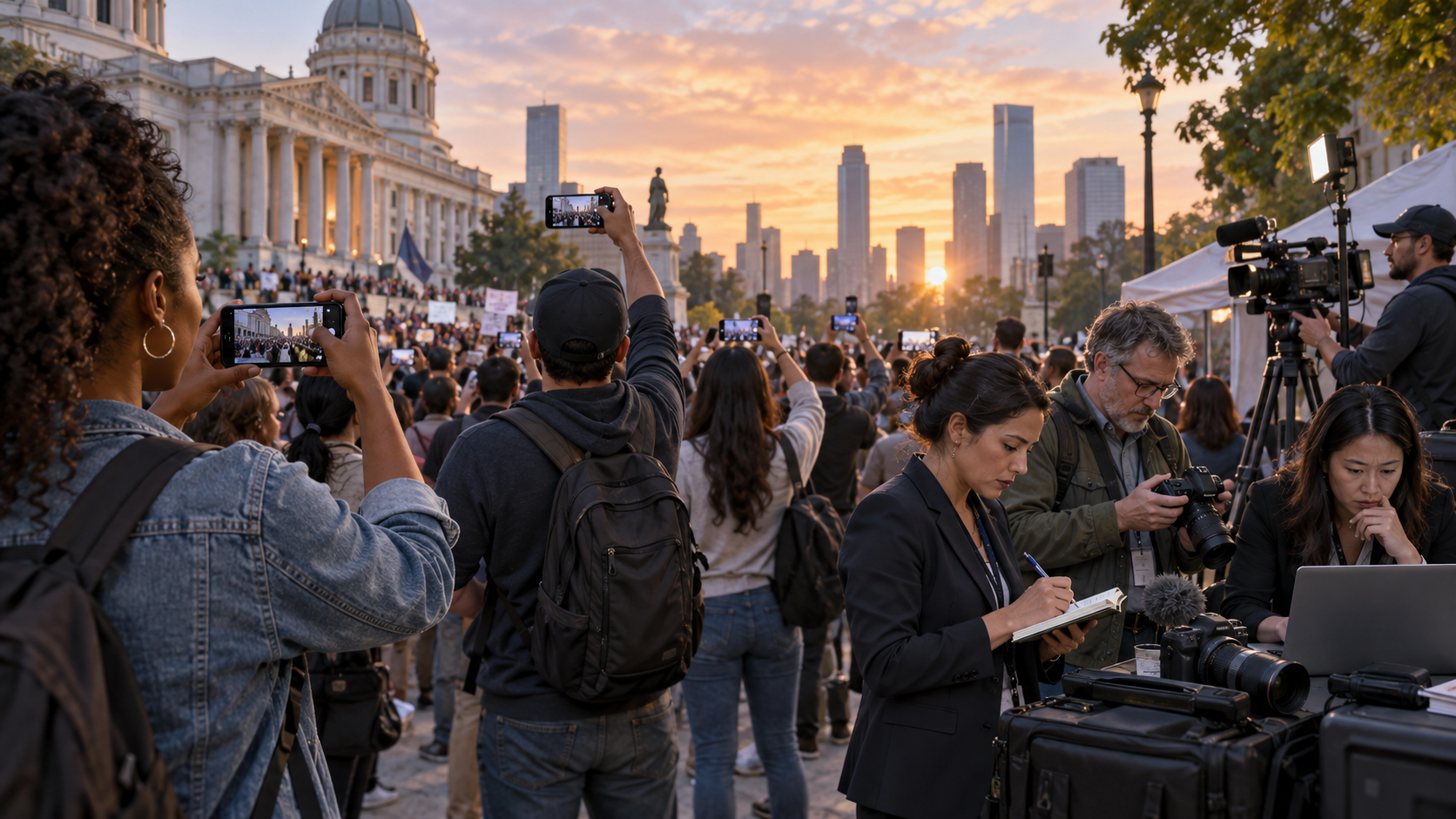
Citizen journalism is the practice of everyday individuals gathering, producing, and sharing news—often from the very scene of unfolding events. It has become a defining force in the digital era, where smartphones, social platforms, and instant publishing tools have lowered the barriers to reporting. A person witnessing a protest, natural disaster, or community milestone can record footage, publish it online, and reach global audiences within seconds. This growing participation expands what the news covers and who gets to tell those stories, making journalism more inclusive of marginalized communities and local perspectives.
Social media has amplified the visibility and impact of citizen journalism. Hashtags can turn isolated reports into widely tracked movements, while livestreams provide unfiltered real-time access. During rapidly developing events—such as earthquakes, public demonstrations, or police encounters—citizen footage often surfaces before professional outlets can arrive or confirm details. In places with limited press freedom or high risk for reporters, ordinary citizens may act as the only available witnesses, documenting human rights abuses or government actions that might otherwise remain hidden.
But this power comes with responsibility and risk. Traditional newsrooms rely on editorial standards that verify information before publication, while individuals posting on the scene may lack training in ethics, sourcing, and fact-checking. Misidentifications, deceptive editing, and emotionally charged rumors can spread fast, especially when posts are widely shared without context. Manipulated media—like misleading captions, old footage repurposed as new, or digitally altered images—can further complicate public understanding. Because of this, both journalists and the public must apply careful verification: checking timestamps, confirming locations, cross-referencing eyewitness accounts, and distinguishing firsthand reporting from speculation or opinion.
Professional journalism and citizen reporting increasingly function together. News organizations routinely incorporate citizen-captured visuals into their coverage, applying newsroom standards to validate authenticity. Some outlets train community contributors, offering guidance on safety, ethics, and transparency. For everyday participants, citizen journalism can be empowering—encouraging civic engagement and allowing communities to tell stories about themselves rather than waiting for outside media attention. Yet the same environment demands stronger media literacy, pushing audiences to evaluate what they see online with a critical lens. In this blended landscape, citizen journalism complements—not replaces—professional reporting by adding perspectives, improving accountability, and broadening the scope of stories that reach the public.
Citizen journalism refers to news gathering and reporting done by ordinary people rather than trained professional journalists. While public involvement in sharing information has always existed, the rise of smartphones, social media, and livestreaming tools transformed this practice into a major force in modern news coverage.
Eyewitnesses can capture events in real time and publish them instantly, giving the public direct access to breaking stories. Citizen journalism emerged as a key way to document protests, natural disasters, local issues, and events that may otherwise receive limited traditional media attention or coverage at all.
Citizen-generated content often appears first during fast-moving situations. Videos and posts shared from protests, severe weather, or public emergencies can alert the world before professional reporters reach the scene. In areas with limited press freedom, citizens sometimes serve as the only real source of documentation.
Professional newsrooms increasingly incorporate verified citizen footage into their reporting, recognizing the value of firsthand accounts. Community contributors and local observers also help fill gaps in coverage, especially in underserved regions or neighborhoods where traditional media presence is limited.
Because citizen journalism does not always follow professional editorial standards, misinformation or miscaptioned footage can circulate quickly. Emotionally driven posts may lack context, and manipulated media can distort public understanding.
For this reason, accuracy and verification are critical. Journalists and audiences check timestamps, confirm locations, and compare multiple sources to validate claims. As news creation becomes more participatory, media literacy skills help ensure that citizen journalism strengthens — rather than confuses — public knowledge.
Explore more "Explainers"
Discover additional explainers across politics, science, business, technology, and other fields. Each explainer breaks down a complex idea into clear, everyday language—helping you better understand how major concepts, systems, and debates shape the world around us.