

Assignment Editor Explainer
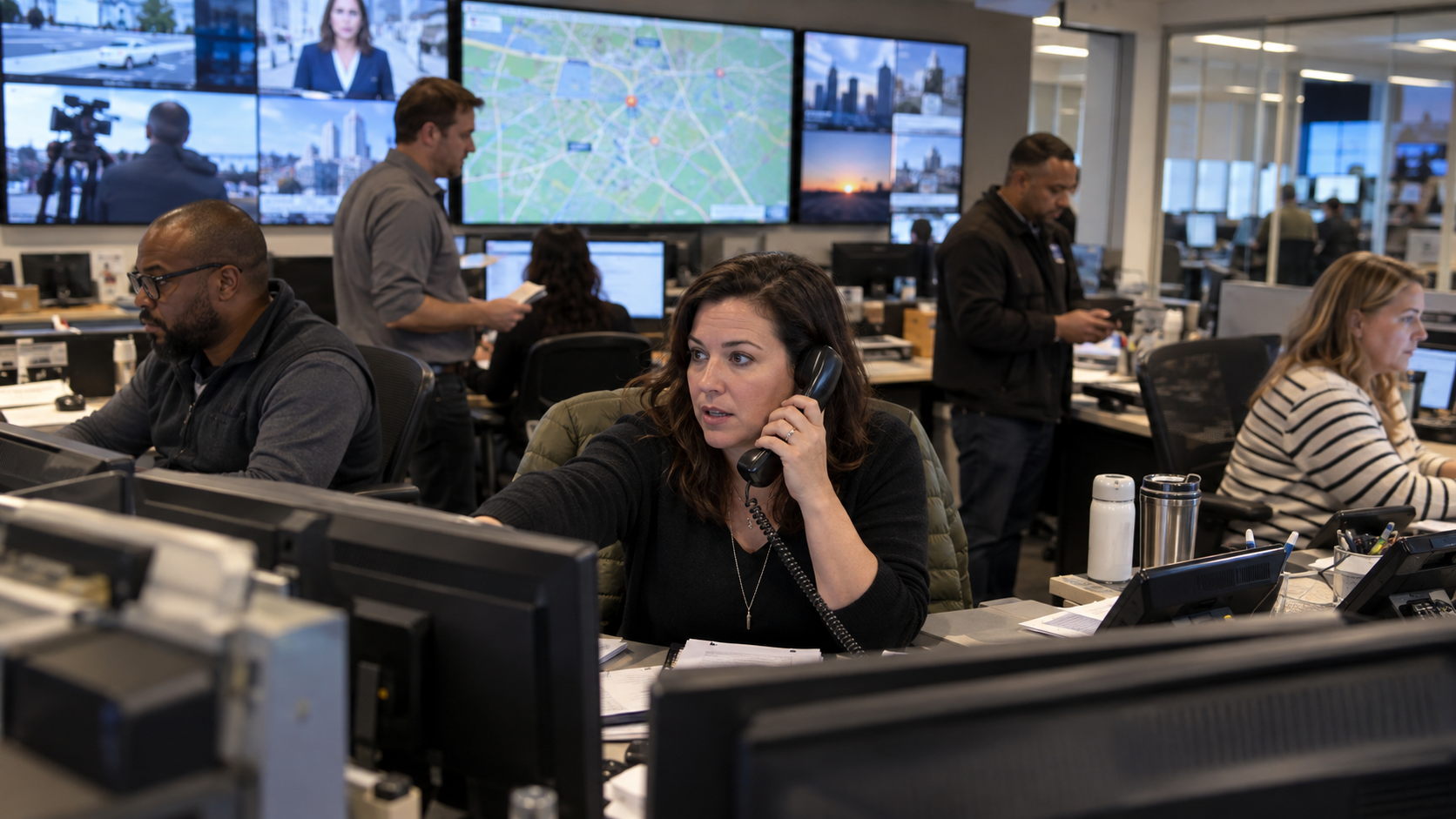
An assignment editor helps decide what a newsroom will cover and coordinates the people and resources needed to cover it. The role is often centered on an assignment desk, where planned events, public records, calls, tips, news wires, official alerts, and reports from journalists in the field arrive throughout the day. The editor turns that flow of information into practical coverage decisions. Titles and duties vary: in a small newsroom, the same person may also write, produce, or edit; in a larger operation, several editors may divide days, regions, or subjects.
The first responsibility is assessment. An assignment editor asks whether a tip is new, important, verifiable, relevant to the audience, and realistically coverable. A dramatic claim is not automatically a story, and an official announcement is not automatically complete. The editor checks what is already known, identifies the best available sources, notes legal or safety concerns, and discusses the story’s value with senior editors or producers. Planned coverage is balanced against unexpected developments, deadlines, staffing, and the need to follow stories that may not produce immediate pictures or headlines.
Once a story is chosen, the editor assigns a reporter, photographer, video journalist, or crew and communicates the basic goal, contacts, location, deadline, and known facts. Assignment editors arrange interviews, credentials, transportation, live locations, satellite or transmission resources, and access to documents. They also maintain calendars, coverage lists, and contact records so the newsroom can see what is underway. Assignment is a starting plan, not an instruction to reach a predetermined conclusion; reporters still verify independently and should challenge assumptions as the facts develop.
During breaking news, the assignment desk becomes a coordination hub. The editor tracks where teams are, relays confirmed updates, prevents unnecessary duplication, and identifies gaps in coverage. Safety comes before proximity, so crews may be redirected when conditions, authorities, or reliable local information indicate danger. The editor must distinguish confirmed facts from scanner traffic, social posts, or tips that are useful leads but not ready for publication. Constant communication helps the newsroom update its plan without forcing every reporter to monitor every channel at once.
An assignment editor is not simply a scheduler and does not usually make every editorial choice alone. The job connects news judgment with logistics, helping reporters reach the right places, people, and documents while editors preserve perspective across the day’s coverage. Good assignment work is visible in what the newsroom does not miss: a follow-up question, an underserved community, a verification step, a safe route, or a source who can add context. By organizing limited attention and resources, the assignment editor helps turn possibilities into responsible reporting.
Tips, calls, news wires, official alerts, public records, planned-event notices, social posts, and updates from journalists in the field can all reach the desk and must be assessed.
Usually not. Assignment editors work with senior editors, producers, reporters, and visual teams, while staffing, deadlines, safety, audience needs, and other stories shape the final plan.
The desk coordinates teams, relays verified updates, tracks logistics and safety, avoids duplicated effort, and redirects resources as the facts and needs of the story change.
Explore more "Explainers"
Discover additional explainers across politics, science, business, technology, and other fields. Each explainer breaks down a complex idea into clear, everyday language—helping you better understand how major concepts, systems, and debates shape the world around us.