

Stringer in Journalism Explainer
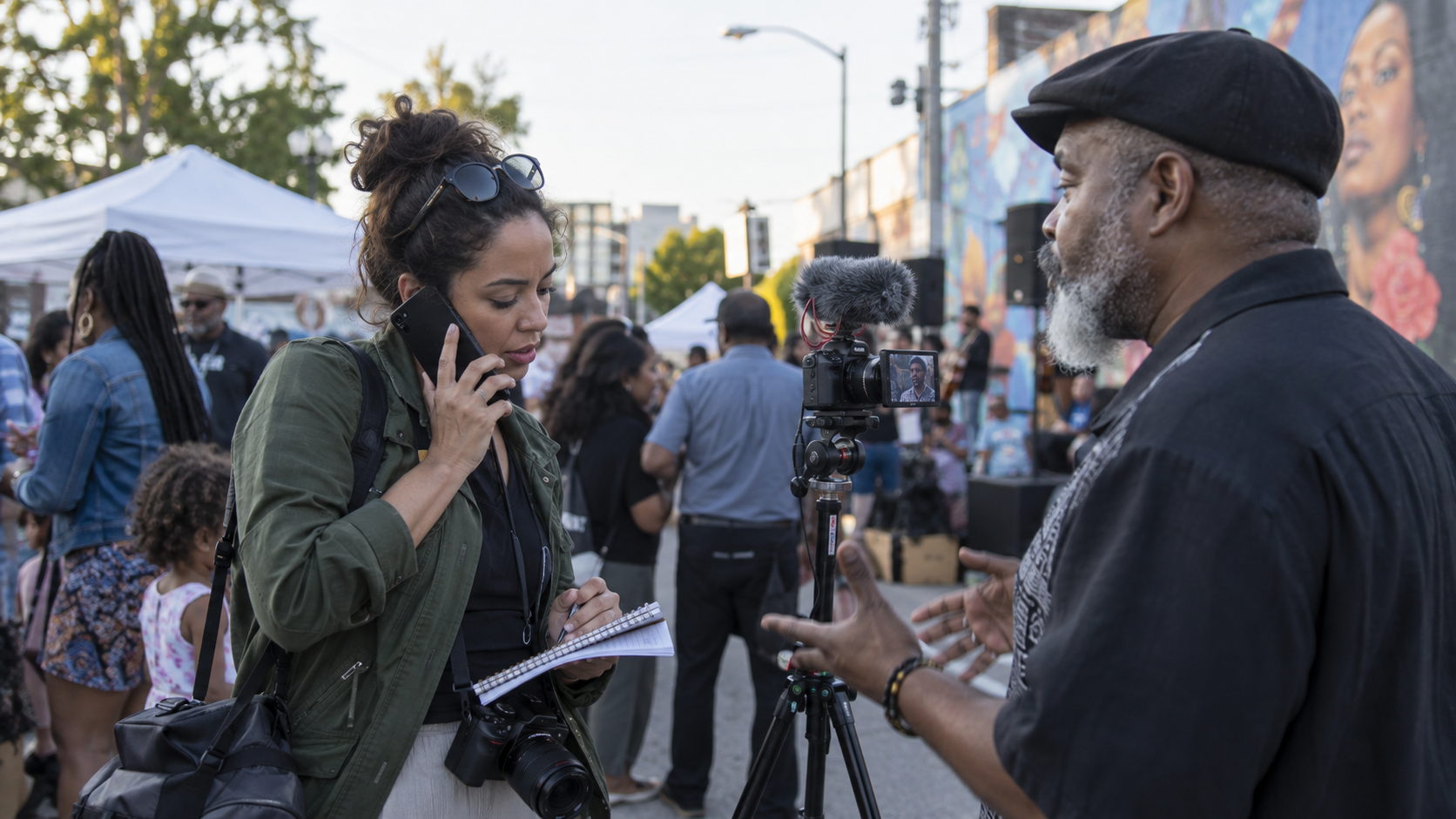
A stringer is an independent journalist who contributes reporting, photographs, video, or other material to a news organization without holding a regular staff position. Stringers often work in communities, regions, or specialties where an outlet does not maintain a full-time bureau. A newsroom may call when a court hearing, storm, election, protest, sports event, or other story requires local coverage. Some stringers contribute frequently under an ongoing arrangement; others accept occasional assignments. The exact title, pay structure, and employment status vary among organizations and countries.
Local knowledge is one of the role’s main advantages. A stringer may understand the geography, institutions, languages, customs, and sources of a place better than a distant desk. That familiarity can help the newsroom reach witnesses, recognize context, and avoid basic mistakes. It can also create conflicts when a contributor covers people or organizations with whom they have personal or professional ties. Stringers should disclose relevant relationships and follow the assigning outlet’s standards for independence, sourcing, attribution, corrections, and gifts.
An assignment normally defines the event or question, deadline, expected format, payment, and practical needs. The contributor gathers information and stays in contact as the story changes. Editors may ask for additional confirmation, a response from someone criticized, precise image captions, original files, or notes that show how a fact was established. A stringer’s submission is not automatically published. The newsroom reviews, edits, verifies, and decides how to use it, just as it would with staff reporting or material from another provider.
Safety and logistics can be complicated because independent contributors may have fewer resources than employees. Before hazardous coverage, the outlet and journalist should clarify training, protective equipment, communications, expenses, insurance, and when to withdraw. A local journalist’s familiarity does not eliminate risk. Newsrooms also need clear agreements about copyright, credit, reuse, confidentiality, and payment. Ambiguity can leave a contributor bearing costs or dangers that the organization has not adequately recognized.
The word “stringer” is sometimes used loosely, and some journalists prefer terms such as freelance correspondent, contributor, or local reporter. Whatever the label, audiences deserve the same transparency and standards. Bylines or credits should accurately describe who did the work, and corrections should reach every version that used it. Stringers extend a newsroom’s reach and can bring essential local perspective to wider coverage. Their value comes not from being inexpensive substitutes for staff, but from independent reporting, subject knowledge, access, and professional collaboration with responsible editors.
Usually not. A stringer is generally an independent contributor, although contracts and legal classifications vary by organization and jurisdiction.
A correspondent may be staff or freelance and often has an established beat or region. “Stringer” more often describes an independent, assignment-based contributor.
Yes. The assigning newsroom should review, verify, edit, and decide how to use submitted reporting, images, or video before publication.
Explore more "Explainers"
Discover additional explainers across politics, science, business, technology, and other fields. Each explainer breaks down a complex idea into clear, everyday language—helping you better understand how major concepts, systems, and debates shape the world around us.