

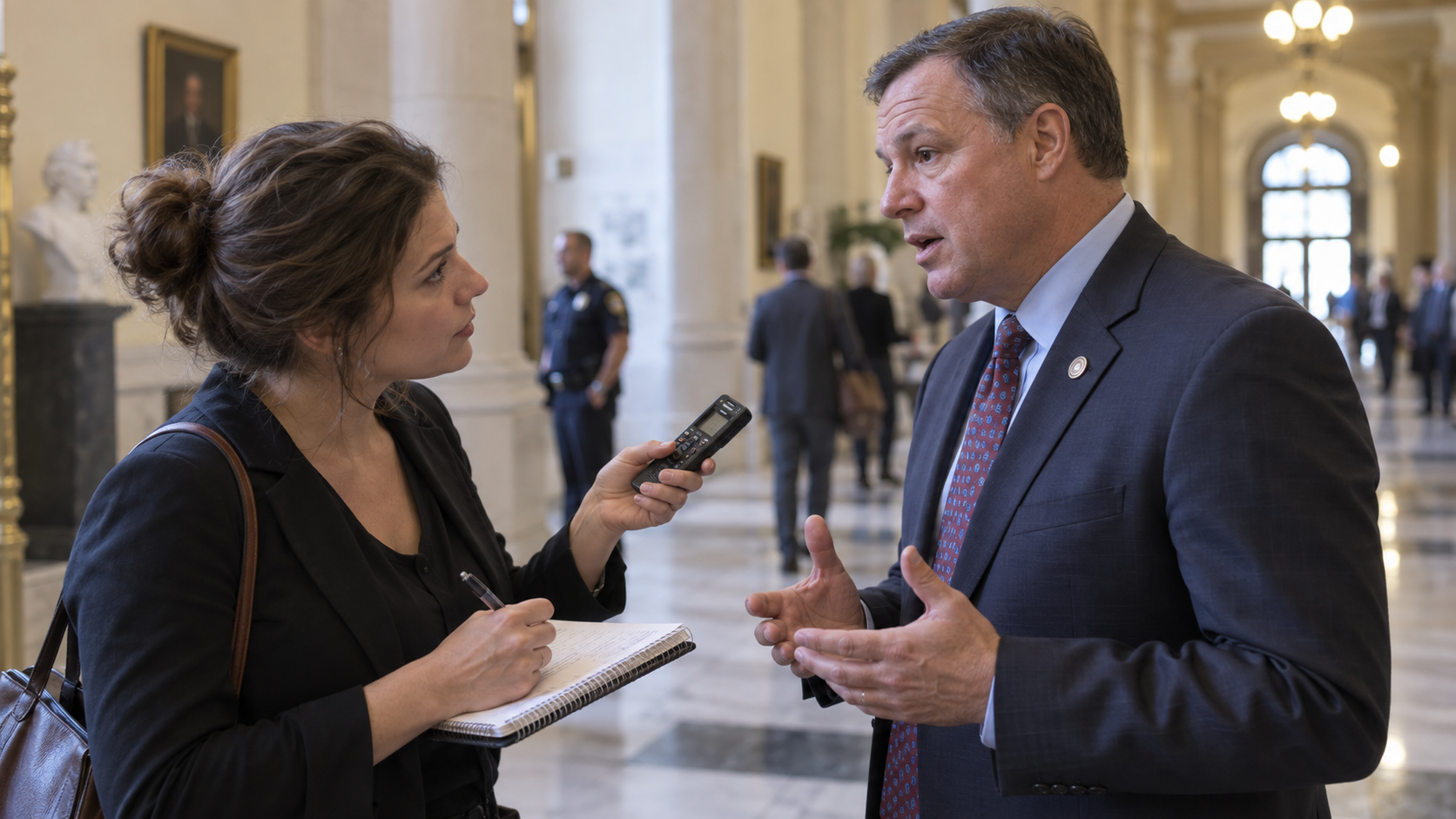
How Beat Reporting Builds Expertise and Accountability
Beat reporting is the regular coverage of a defined subject, institution, geographic area, or community. Common beats include city hall, courts, education, public safety, health, business, and the environment. By returning to the same area over time, a reporter develops knowledge that is difficult to gain from a single assignment.
A beat reporter learns how the subject works: who makes decisions, which records matter, what meetings are important, and how policies affect people. That background helps the journalist recognize when an apparently routine announcement represents a meaningful change or when an official explanation leaves important questions unanswered.
Sources are essential, but a strong beat is not built around only the most powerful voices. Reporters seek officials, employees, experts, advocates, critics, residents, and people directly affected by decisions. A broad network produces more independent reporting and reduces the risk that one institution will define every story.
Beat work combines planned and unexpected coverage. Reporters follow calendars, budgets, court filings, agendas, data, and long-term projects while also responding to breaking developments. Notes and source relationships accumulated over months can make urgent reporting faster and more accurate.
Familiarity brings a responsibility to remain independent. A reporter may speak with the same people every week but must still verify claims, disclose relevant conflicts, and ask difficult questions. At its best, beat reporting gives the public continuity, context, and sustained accountability rather than a series of disconnected headlines.
No. A beat may be a place, institution, policy area, industry, or community.
Sources help the reporter understand systems, find documents, identify changes, and hear perspectives that official announcements may omit.
Yes. Beat expertise often helps a journalist respond quickly because the key people, records, and history are already familiar.
Explore more "Explainers"
Discover additional explainers across politics, science, business, technology, and other fields. Each explainer breaks down a complex idea into clear, everyday language—helping you better understand how major concepts, systems, and debates shape the world around us.