

Air Quality Explainer
Air quality is one of the most tangible ways people experience environmental policy. You cannot see every pollutant in the air, but you can feel its effects in a child’s asthma attack, a hazy skyline, or a heatwave intensified by greenhouse gases. In politics, air quality sits at the intersection of public health, economic activity, and environmental protection. Governments are expected to keep the air safe to breathe while also responding to pressure from industries, workers, and communities that depend on energy and manufacturing.
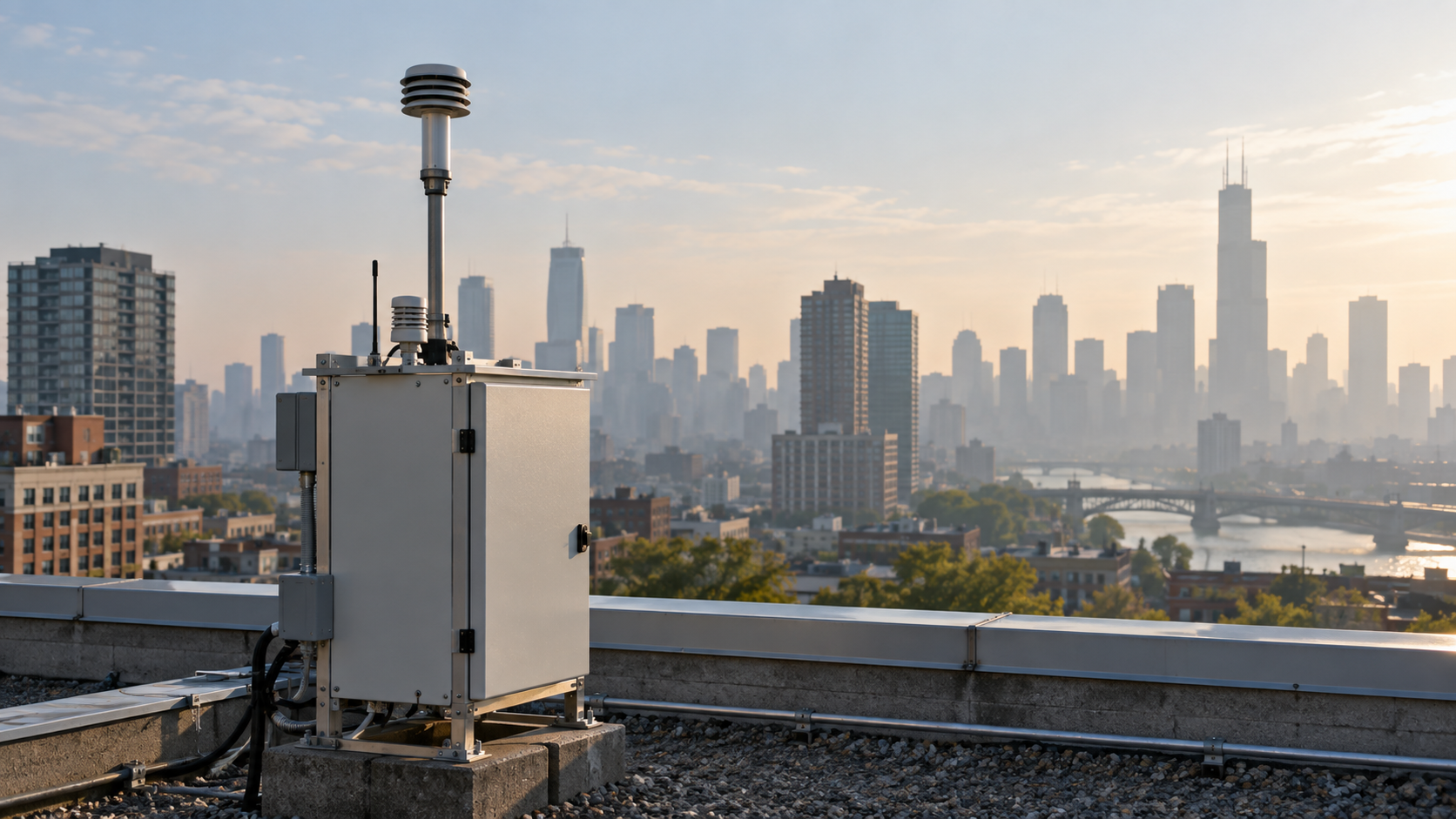
Modern air quality policy usually starts with standards. Governments define limits for specific pollutants—such as particulate matter, ozone, sulfur dioxide, or nitrogen oxides—and set targets for how clean the air should be in different regions. Agencies then monitor air using networks of sensors and publish indices that translate technical data into categories like “good,” “moderate,” or “unhealthy.” These measurements guide warnings to the public and help determine whether local or national authorities are meeting their legal obligations. When air quality falls short of standards, governments may require cleaner technologies, fuel changes, or new controls on emissions from power plants, factories, and vehicles.
The politics of air quality often revolve around questions of cost, fairness, and responsibility. Businesses may argue that strict regulations increase expenses, threaten jobs, or slow economic growth, especially in sectors like energy, heavy industry, and transportation. Advocates for stronger protections respond that poor air quality imposes hidden costs in hospital visits, lost workdays, and reduced quality of life, particularly in low-income or marginalized communities that are more likely to live near major roadways or industrial sites. These communities frequently organize for environmental justice, emphasizing that clean air is not just an environmental issue but a question of equity and civil rights.
Air quality debates are also tied to broader climate and energy discussions. Many pollutants that harm human health are produced by the same activities that emit greenhouse gases, so policies targeting cleaner air can overlap with efforts to address climate change. This creates opportunities for “co-benefits,” such as replacing high-emission power plants with cleaner sources that both improve local air and reduce global warming pollution. At the same time, disputes over how fast to transition away from fossil fuels, which technologies to support, and how to share the costs of change keep air quality at the forefront of political agendas. Understanding air quality means seeing it not only as a scientific measurement, but as a reflection of how societies balance health, prosperity, and environmental responsibility.
Air quality became a central political issue as industrialization, urban growth, and rising vehicle use increased pollution in cities around the world. Episodes of heavy smog and respiratory illness made clear that the air people breathe can be directly affected by economic activity, energy choices, and land-use decisions.
In response, governments began creating legal frameworks to define acceptable levels of pollution and assign responsibility for keeping the air safe. Environmental agencies, monitoring networks, and air quality standards emerged to measure pollutants, guide regulation, and give the public a clearer picture of how clean or hazardous the air is on a given day.
In practice, air quality policy starts with setting standards for key pollutants, such as particulate matter, ozone, sulfur dioxide, and nitrogen oxides. Agencies use monitoring stations and models to track levels of these pollutants and compare them to health-based thresholds. When standards are exceeded, authorities may require emission controls or changes in technology.
Regulations can target multiple sources: power plants, factories, vehicles, construction sites, and even household fuels. Governments may mandate cleaner fuels, set limits on smokestack emissions, encourage public transit, or support new technologies like electric vehicles. Public air quality indices translate technical data into categories like “good” or “unhealthy,” helping people understand daily risks and adapt their behavior.
Air quality policy is often contested because it touches both public health and economic interests. Businesses may argue that strict limits increase costs, affect competitiveness, or threaten jobs, while health advocates and community groups emphasize the medical and social burdens of polluted air, especially in neighborhoods close to highways or industrial corridors.
Debates also focus on fairness and long-term strategy. Environmental justice movements highlight that low-income and marginalized communities are more likely to experience poor air quality. At the same time, efforts to reduce air pollution often intersect with climate and energy policies, raising questions about how quickly to move away from high-emission fuels, who pays for the transition, and how to balance short-term economic concerns with long-term health and environmental goals.
Explore more "Explainers"
Discover additional explainers across politics, science, business, technology, and other fields. Each explainer breaks down a complex idea into clear, everyday language—helping you better understand how major concepts, systems, and debates shape the world around us.