

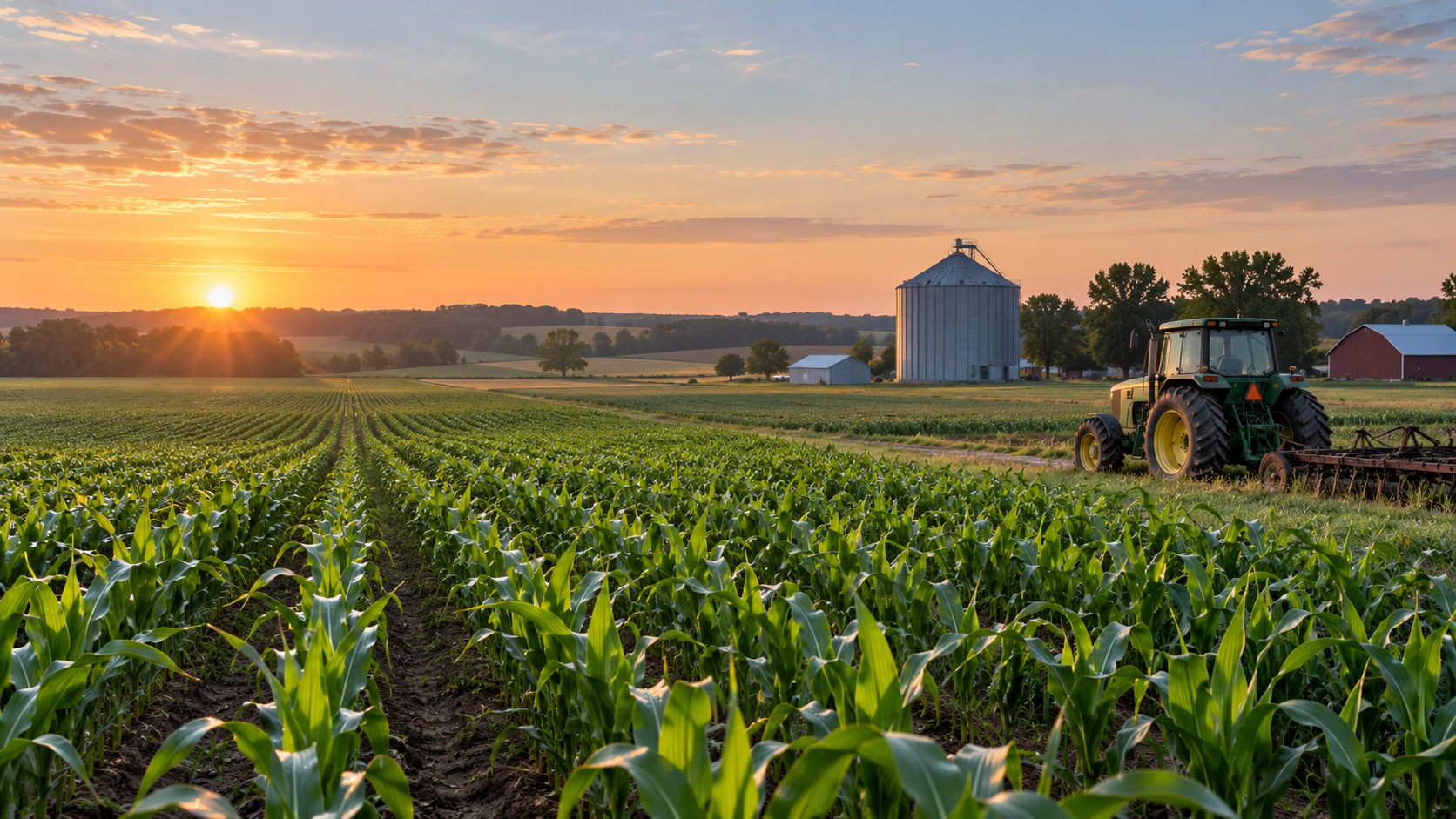
Agriculture Policy Explainer
Agriculture policy encompasses the laws, programs, subsidies, and regulations that govern how food is produced, distributed, and priced. It touches nearly every stage of the food system—planting, harvesting, transportation, trade, and consumer access. Governments craft these policies to stabilize food supply, support farmers, protect farmland, and ensure safe, affordable food for the public. Because farming is highly sensitive to weather, global markets, and price swings, agriculture policy acts as a buffer, helping producers manage risks that would otherwise threaten both livelihoods and national food security.
Modern agriculture policy often revolves around a mix of incentives and protections. Subsidies can help farmers stay afloat when prices fall below production costs, while crop insurance and disaster assistance programs mitigate the financial shocks of droughts, floods, and disease outbreaks. Governments may also set standards for food safety, pesticide use, animal welfare, and environmental impact. Trade policy plays a major role as well—tariffs and export rules can determine which crops thrive domestically and how competitive a country’s products are abroad. Because farms vary widely in size and output, policymakers must constantly balance support for small family farms with the realities of large-scale commercial agriculture.
Debates over agriculture policy are both economic and environmental. Supporters of strong subsidies argue that they safeguard rural communities, prevent food shortages, and stabilize volatile markets. Critics contend that subsidies can favor large producers, distort markets, and encourage overproduction or unsustainable farming practices. Environmental advocates point out that agriculture is a major source of greenhouse gases, water pollution, and soil degradation, pushing for policies that promote regenerative farming, conservation, and efficient land use. Meanwhile, consumer groups often focus on labeling, nutrition standards, and the affordability of healthy foods.
Agriculture policy continues to evolve as societies face new pressures: climate change, global supply chain disruptions, rising food costs, and shifting dietary preferences. Some governments are experimenting with carbon markets for farmers, incentives for climate-friendly practices, and programs to improve access to local foods. Others grapple with the political influence of commodity groups, the future of genetically modified crops, and the challenge of keeping farming viable for younger generations. Ultimately, agriculture policy reflects the intertwined priorities of food security, economic stability, and environmental stewardship—each essential to sustaining a nation’s well-being.
Agriculture policy emerged as governments recognized the need to stabilize food supplies, protect farmers from market volatility, and ensure national food security. Early policies focused on land use and price supports, laying the groundwork for modern systems of subsidies, insurance programs, and regulatory oversight.
As economies expanded and farming became more industrialized, agriculture policy evolved into a comprehensive framework addressing production, trade, environmental stewardship, rural development, and consumer protection. It now serves as a bridge between economic priorities, environmental concerns, and the long-term sustainability of food systems.
Agriculture policy typically combines financial support, regulatory standards, and strategic planning. Subsidies and price supports help farmers survive unpredictable markets, while crop insurance and disaster aid provide stability when natural events disrupt production. Governments also regulate food safety, pesticide use, water access, and animal welfare to protect both consumers and ecosystems.
Trade rules and international agreements play a major role as well, influencing which crops thrive domestically and how competitive they are abroad. Programs encouraging soil conservation, sustainable practices, or carbon reduction increasingly shape modern agriculture, reflecting growing concerns about climate change and long-term land health.
Agriculture policy faces continuing debate over how to balance economic support with environmental responsibility. Critics argue that subsidies may disproportionately benefit large agribusinesses, encourage overproduction, or promote practices that strain soil and water resources. Others contend these programs are essential for preserving rural economies and ensuring affordable food.
Modern discussions increasingly revolve around climate resilience, sustainability, and food accessibility. Questions about land use, the future of small farms, genetically modified crops, and the environmental footprint of agriculture continue to shape policy direction. As consumer expectations shift and global challenges intensify, agriculture policy remains a central arena for negotiation between economic needs and ecological limits.
Explore more "Explainers"
Discover additional explainers across politics, science, business, technology, and other fields. Each explainer breaks down a complex idea into clear, everyday language—helping you better understand how major concepts, systems, and debates shape the world around us.