

Appropriations Explainer
In democratic systems, especially in the United States, appropriations are the formal decisions that authorize government agencies to spend money. While a budget sets broad goals and totals, appropriations laws are where those plans turn into specific line items: how much goes to the military, to health programs, to infrastructure, or to education. Because these laws determine which priorities are funded and which are delayed or cut back, appropriations are often at the center of political debates, negotiations, and last-minute showdowns.
Appropriations are usually handled by specialized committees in the legislature, such as the House and Senate Appropriations Committees in the U.S. These committees divide their work into subcommittees focused on different policy areas—defense, agriculture, transportation, and so on. Each subcommittee reviews requests from agencies, hears testimony, and drafts a bill assigning specific dollar amounts to particular programs. Those bills then move through the full legislature, where they can be amended, combined into larger “omnibus” packages, or delayed. If appropriations are not passed in time for the new fiscal year, lawmakers may rely on short-term “continuing resolutions” that keep funding at existing levels and help avoid a government shutdown.
The appropriations process is also a powerful tool for oversight. Lawmakers can use spending bills to reward programs they support, scale back ones they question, or attach conditions and reporting requirements. They can block certain actions by refusing to fund them, even if those actions are technically allowed by other laws. At the same time, presidents and executives may push for or against particular spending levels and can sign or veto appropriations bills, making these decisions a central arena of interbranch bargaining.
Beyond the formal procedures, appropriations reveal deeper political priorities. Choices about how much to allocate for social services versus defense, for climate programs versus traditional energy, or for local projects versus national initiatives reflect ideological differences and shifting coalitions. Because public money is finite, increasing funding in one area often means tradeoffs somewhere else. Understanding appropriations, then, is not just about accounting—it is about how societies translate their values and promises into concrete, funded actions year after year.
Appropriations are the legal mechanism that allows governments to spend public money. While budgets outline broad fiscal goals, appropriations turn those goals into actionable funding decisions—determining exactly how much money agencies receive for defense, transportation, health programs, infrastructure, and other priorities. Because these laws distribute real dollars, they sit at the heart of the policymaking process.
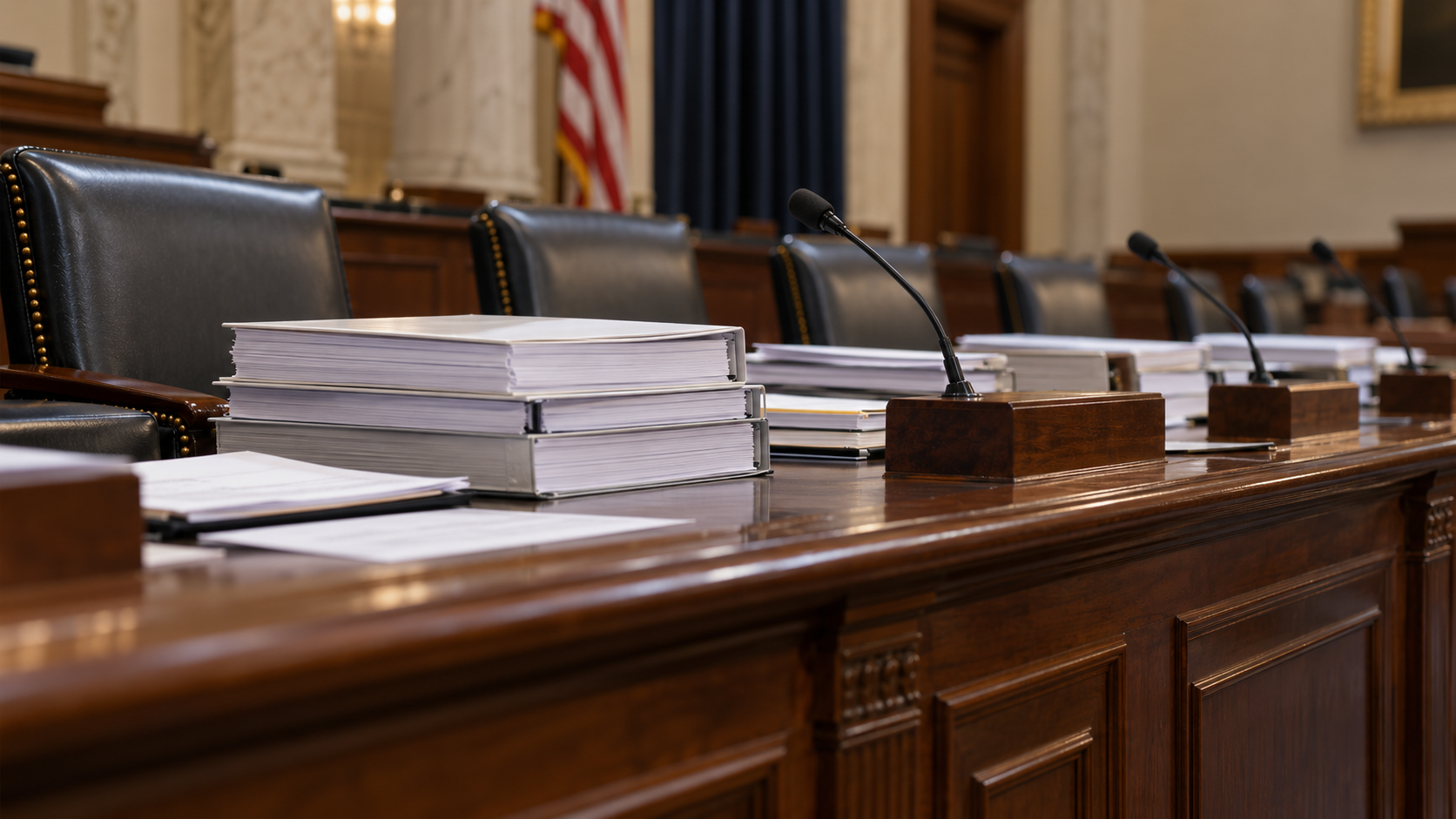
The modern appropriations structure in the United States is organized around the House and Senate Appropriations Committees, created to ensure oversight and control over federal spending. These committees divide into specialized subcommittees, each focused on a specific policy area. Their work transforms agency requests, presidential proposals, and legislative priorities into detailed line-item allocations that guide federal spending each fiscal year.
In practice, appropriations begin with subcommittees reviewing testimony from agencies, evaluating funding needs, and drafting bills that assign money to specific programs. These bills move through markup sessions, full committee approvals, and floor debates before reaching the final vote. Lawmakers may merge several bills into a single “omnibus” package or rely on continuing resolutions to avoid lapses in funding.
The process also acts as a key oversight tool. Congress can encourage or limit executive branch actions by increasing, reducing, or conditioning funds. Even when a program is legally authorized, it cannot operate without appropriated funds. Legislators use this leverage to shape policy outcomes, respond to emerging issues, and ensure accountability across federal agencies.
The appropriations process faces frequent challenges, from partisan gridlock to competing budget priorities. Missing deadlines can result in government shutdowns, last-minute temporary funding measures, or reduced administrative efficiency. Critics argue that recurring delays and omnibus packages limit transparency and weaken the deliberative nature of appropriations.
Despite these strains, appropriations remain central to democratic governance. Debates continue over how to improve transparency, reduce brinkmanship, and modernize the process without weakening Congress’s constitutional power of the purse. Ultimately, appropriations reveal the real-world priorities of a society, determining which programs advance, which scale back, and how national goals are translated into funded action.
Explore more "Explainers"
Discover additional explainers across politics, science, business, technology, and other fields. Each explainer breaks down a complex idea into clear, everyday language—helping you better understand how major concepts, systems, and debates shape the world around us.