

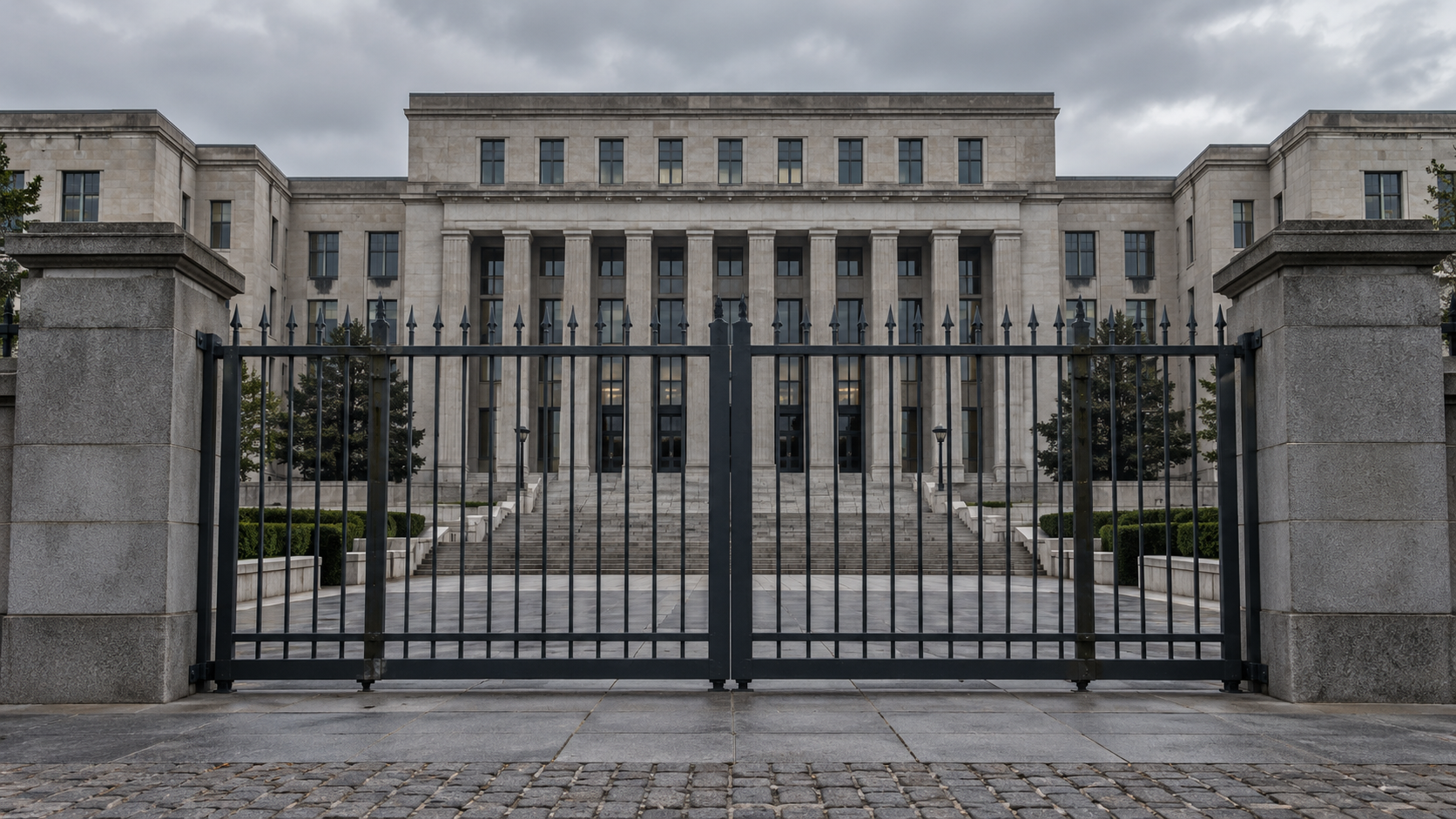
Authoritarianism Explainer
Authoritarianism refers to political systems where leaders exercise significant power with limited checks from legislatures, courts, or the public. Unlike democracies—where authority depends on open elections, separation of powers, and individual rights—authoritarian governments restrict political competition and often centralize decision-making. These regimes may present themselves as stable or efficient, but they typically reduce transparency and weaken independent institutions, making it hard for citizens to influence government actions.
Authoritarian systems can emerge through several paths. Some develop gradually as elected leaders erode democratic norms, undermine opposition parties, or weaken courts while still claiming constitutional legitimacy. Others arise from military coups, revolutions, or long-standing one-party rule. In many cases, leaders use a mix of legal reforms, emergency powers, political patronage, and control over security forces to consolidate authority. State media, censorship, and restrictions on civil society often play key roles in shaping public perception and limiting dissent.
Although authoritarian regimes differ widely—from personalist dictatorships to military juntas to dominant-party states—they share common traits. Leaders often justify their power by emphasizing national unity, economic development, or security threats. They may suppress protests, restrict press freedom, and control elections to maintain the appearance of legitimacy without meaningful competition. Many authoritarian governments claim to protect stability or tradition, but critics argue that concentrating power increases corruption, reduces accountability, and makes societies vulnerable to abuses of authority.
Debates about authoritarianism focus not only on identifying such regimes but also on understanding why they persist. Economic crises, political polarization, weak institutions, and external conflict can create conditions in which citizens accept—or feel forced to accept—reduced democratic freedoms. At the same time, modern authoritarian systems increasingly use technology, surveillance, and sophisticated propaganda to strengthen control. Understanding these dynamics helps explain how political freedoms expand or contract in different moments of history and how societies can safeguard democracy in the face of rising authoritarian pressure.
Authoritarianism is a political system in which power is concentrated in the hands of a single ruler or ruling group, with limited checks from other institutions. These systems restrict political competition, curb civil liberties, and often suppress dissent to maintain centralized control. Unlike democracies, where legitimacy relies on open elections and public accountability, authoritarian regimes depend on control over institutions and information to retain authority.
Authoritarian governments emerge through various paths—military coups, revolutions, one-party dominance, or the gradual erosion of democratic norms by elected leaders. Historically, economic crises, political polarization, or national security fears have created openings for leaders who promise stability and decisive action, often at the expense of public freedoms and institutional independence.
In practice, authoritarianism functions through a combination of political control, institutional manipulation, and restrictions on information. Leaders often weaken courts, legislatures, and opposition parties to reduce challenges to their power. They may use state-controlled media, censorship, and propaganda to shape public perception while suppressing independent journalism and civil society organizations.
Elections may still occur, but without meaningful competition, transparency, or fairness. Rulers also rely on security forces and surveillance to deter protest and monitor dissent. Patronage networks—where supporters receive benefits for loyalty—help sustain power by tying economic opportunity to political allegiance. Together, these tools create an environment where the ruling authority maintains dominance with limited public input.
Authoritarian systems face inherent challenges such as corruption, lack of accountability, and weakened institutions. With fewer checks on power, leaders may make decisions that benefit small elites rather than the broader population. This concentration of authority can also make governments more vulnerable to economic mismanagement or internal power struggles.
Debates about authoritarianism often center on why it persists and how societies can resist democratic backsliding. Supporters of strong centralized rule sometimes argue that it ensures stability or rapid development. Critics counter that authoritarianism undermines human rights, limits innovation, and heightens the risk of abuses. Understanding how these regimes function provides insight into global political trends and the resilience of democratic institutions.
Explore more "Explainers"
Discover additional explainers across politics, science, business, technology, and other fields. Each explainer breaks down a complex idea into clear, everyday language—helping you better understand how major concepts, systems, and debates shape the world around us.