

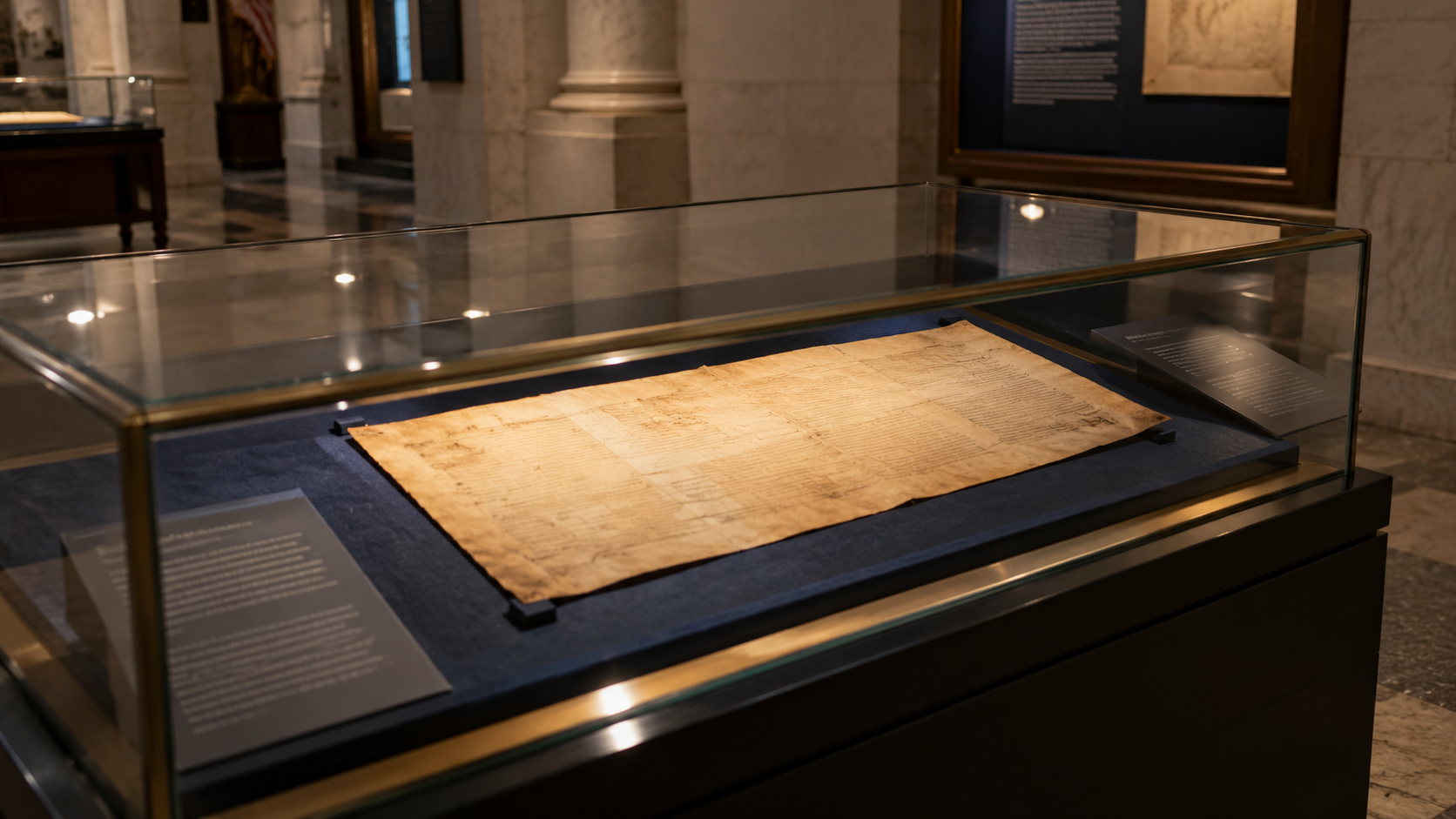
Bill of Rights Explainer
The Bill of Rights refers to the first ten amendments to the U.S. Constitution, added in 1791 to safeguard individual freedoms and address concerns raised during the ratification process. Many Americans feared that the new federal government might grow too powerful without explicit limits, so the Bill of Rights was designed to protect liberties such as free speech, religious freedom, due process, and protection from unreasonable searches. These amendments create boundaries around government action and establish principles that guide the relationship between citizens and the state.
Beyond individual freedoms, the Bill of Rights also reinforces structural ideas about power. The amendments restrict not only federal authority but, through later interpretation, state authority as well. They guarantee fair treatment within the justice system, protect personal privacy, and set conditions for law enforcement, trials, and punishment. Over time, courts have been asked to interpret these protections in changing contexts—from new forms of communication to evolving norms around equality and public safety. As a result, the Bill of Rights functions both as a historical document and a living framework that adapts to new challenges.
Debates surrounding the Bill of Rights often involve the tension between liberty and security. Questions about free speech in the digital age, the limits of police power, the meaning of the Second Amendment, and the balance between privacy and surveillance all rely on interpretations of these original ten amendments. Supporters of broad protections argue that the Bill of Rights is essential for preventing government overreach and preserving democratic values. Others contend that certain rights must be balanced against public interests, such as safety or social stability. These debates ensure that the Bill of Rights remains central to political and legal discussions across generations.
The Bill of Rights continues to influence civic life by shaping how citizens understand their freedoms and responsibilities. Court rulings, legislation, and public discourse constantly redefine the contours of these rights, making them a dynamic part of everyday governance. Whether in debates about censorship, criminal justice, religious expression, or personal privacy, the Bill of Rights continues to serve as a foundational reference point—one that protects individual autonomy while anchoring the broader constitutional system.
The Bill of Rights refers to the first ten amendments to the U.S. Constitution, adopted in 1791 to address fears that the new federal government might become too powerful. Many critics of the original Constitution wanted explicit guarantees that key individual freedoms and limits on government authority would be written into the text.
These amendments were introduced as a compromise during the ratification debates. They draw on earlier traditions of rights protections, including colonial charters and state declarations of rights. Together, they form a framework that protects core liberties such as speech, religion, assembly, and fair treatment in the justice system, shaping how government power is understood and constrained.
In practice, the Bill of Rights sets clear boundaries on what government can and cannot do. It protects freedoms of expression, press, religion, and assembly; guards against unreasonable searches and seizures; and guarantees due process, fair trials, and protections for the accused. These provisions influence everyday interactions between individuals and law enforcement, courts, and public officials.
Over time, court decisions have interpreted the Bill of Rights in changing social and technological contexts—from public demonstrations to digital communication and modern policing techniques. Through a process known as incorporation, many of these protections have been applied to state and local governments as well as the federal government, making the Bill of Rights a nationwide standard for basic civil liberties.
The Bill of Rights does not resolve every conflict about freedom and security; instead, it provides principles that must be interpreted and balanced. Debates arise over the scope of free speech, the reach of government surveillance, the meaning of the Second Amendment, and the limits of police authority, especially as new technologies and social issues emerge.
Supporters of broad protections emphasize that the Bill of Rights is essential for preventing government overreach and safeguarding minority viewpoints. Others argue that rights must sometimes be balanced against public safety or other collective interests. These ongoing tensions ensure that the Bill of Rights remains central to legal and political disputes, continuing to shape how citizens understand both their liberties and the responsibilities of government.
Explore more "Explainers"
Discover additional explainers across politics, science, business, technology, and other fields. Each explainer breaks down a complex idea into clear, everyday language—helping you better understand how major concepts, systems, and debates shape the world around us.