

Committee Markup Explainer
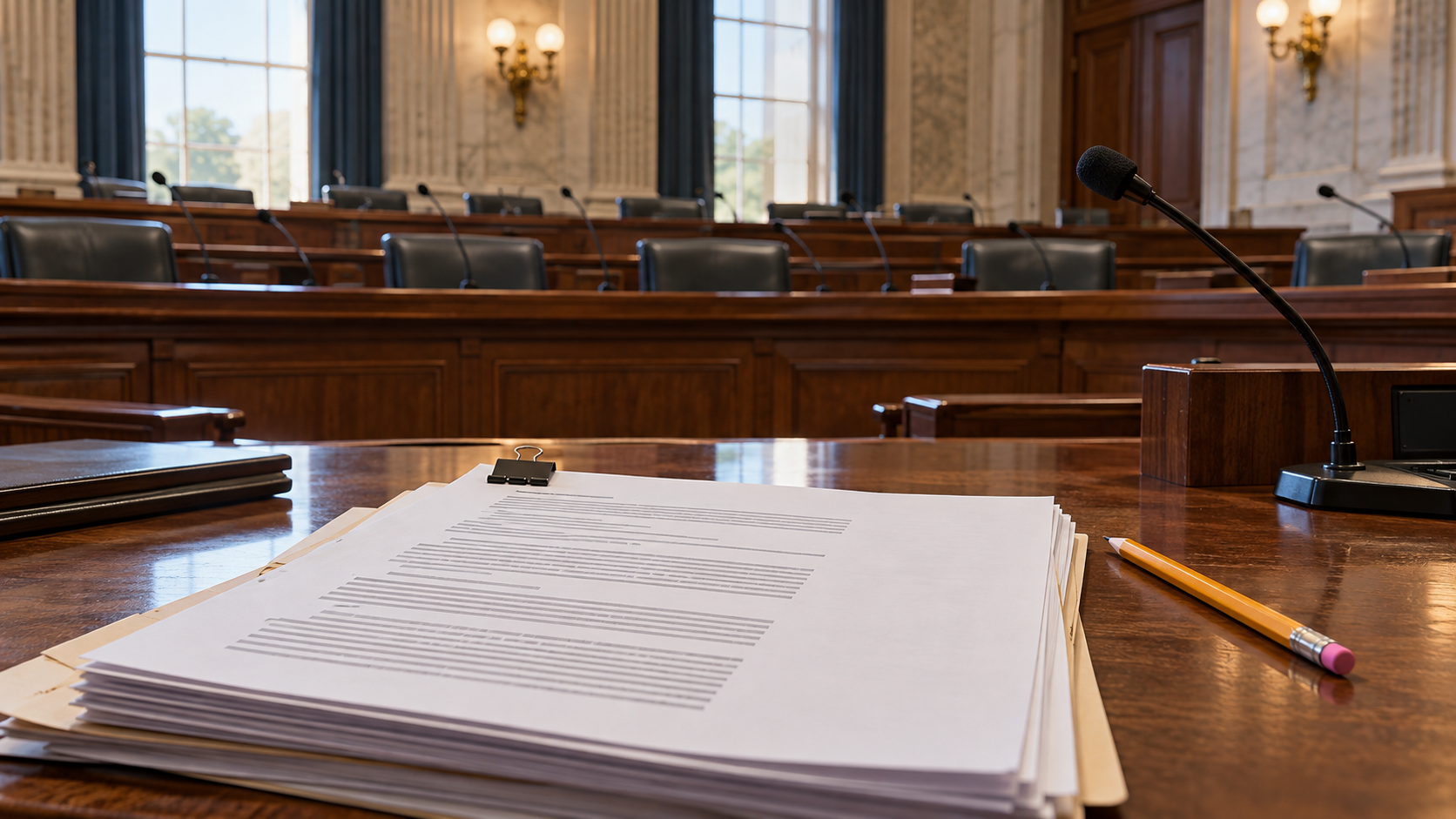
Committee markup is the stage of legislative consideration in which a committee debates proposed text, considers amendments, and decides whether to recommend a measure to the full chamber. The term refers to substantive work on legislation rather than merely correcting spelling or formatting. A markup can change what a proposal would do and the form in which it advances. Procedures vary by legislature, chamber, and committee, so a general description should not be mistaken for a single set of rules applying everywhere.
In the U.S. House, a committee may consider an introduced bill or other draft text under relevant procedures. Members can propose amendments, debate them, and vote on changes. The committee then decides whether to order a measure reported to the House. The text used as a starting point and the amendments agreed to during the meeting are important for understanding the outcome. A committee hearing serves a different function: it commonly gathers testimony and information, while markup focuses on considering and acting on legislative text.
Imagine a committee considering a proposal to establish a new public program. During markup, members might seek to change its eligibility rules, reporting requirements, or implementation date. Some amendments may be adopted and others rejected. The resulting recommendation can differ substantially from the original proposal. Following only the bill’s title would miss those changes. A useful account therefore identifies the version considered, the amendments accepted, and the final committee action. The process can also reveal disagreements about how a broadly supported goal should be translated into legislation.
Completion of markup does not make a bill law or guarantee that the full chamber will consider it. Later stages can include reporting, floor debate, further amendments, action by the other chamber, and the remaining requirements for enactment. Some proposals do not advance after committee work. For readers, the practical questions are what text was before the committee, how it changed, and what the committee voted to do next. Those details distinguish a procedural milestone from final passage and help explain why descriptions of a proposal can change as it moves through the legislative process.
Markup involves debating and amending proposed legislation before a committee decides on its recommendation. It is more than editorial cleanup.
A hearing gathers information and testimony; markup acts on legislative text. The two stages have different purposes.
The starting text can matter as much as the bill’s title. Track which version the committee actually considered.
Accepted amendments can alter eligibility, duties, deadlines, or other substantive provisions. Rejected amendments do not become part of the recommendation.
Ordering a measure reported is a committee action. It does not itself enact the legislation or ensure floor consideration.
Use the committee’s actions and resulting text to describe the outcome accurately. Later legislative stages can bring further changes.
Explore more "Explainers"
Discover additional explainers across politics, science, business, technology, and other fields. Each explainer breaks down a complex idea into clear, everyday language—helping you better understand how major concepts, systems, and debates shape the world around us.