

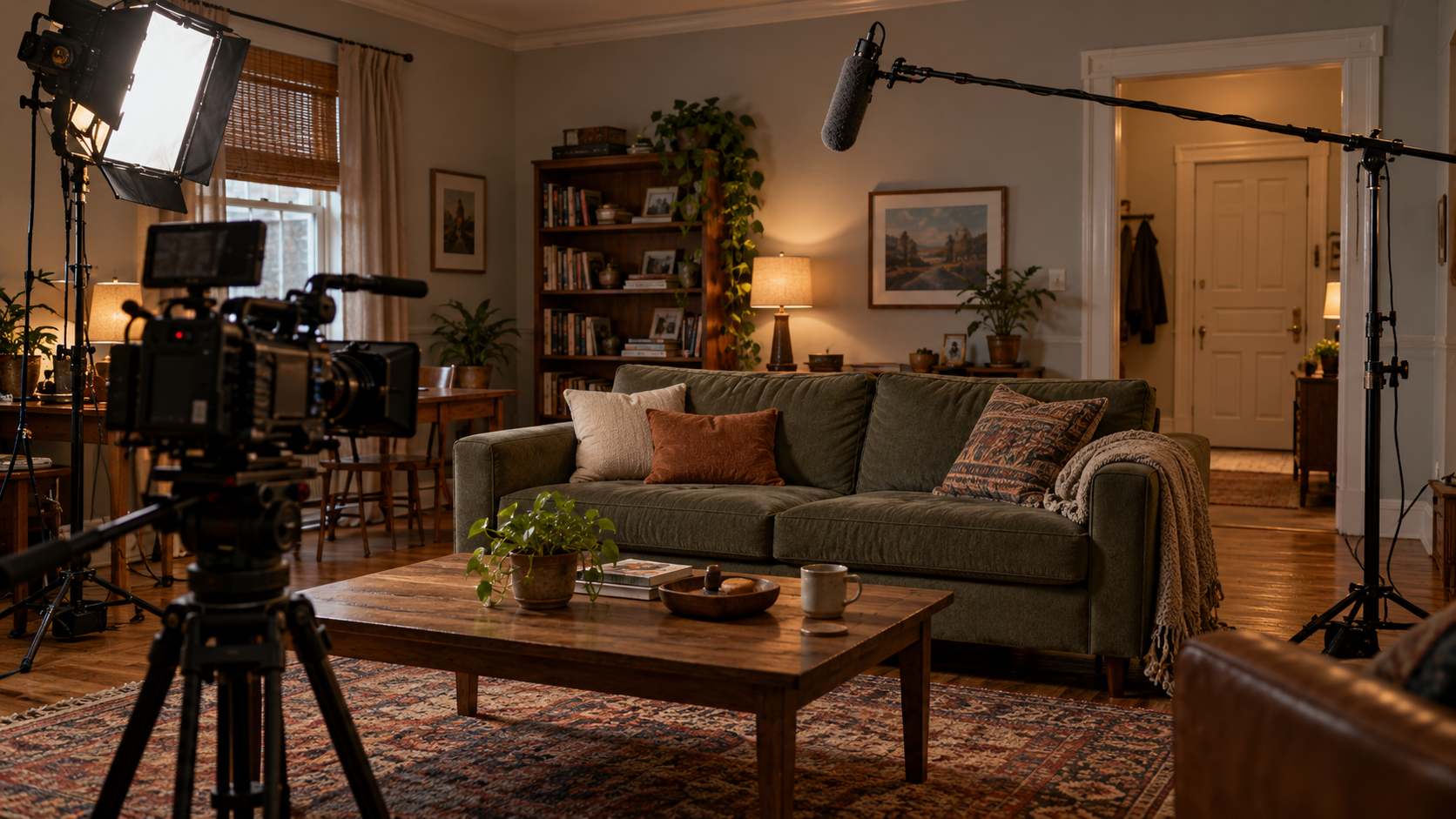
Bottle Episodes Explainer
A bottle episode is an installment of a television series built around unusually limited production elements, often a standing set, a small group of regular characters, and few costly exterior scenes or visual effects. The exact origin of the label is disputed, and the term is applied more broadly now than it once was. Its central idea is containment. By keeping the action in one or a few available spaces, a production can reduce travel, construction, guest casting, and setup demands. Creatively, that same boundary pushes attention toward dialogue, relationships, and a problem the characters cannot escape by simply changing location.
Television schedules are uneven. One episode may require a major stunt, a distant location, or elaborate effects, while the season still has a fixed overall budget and delivery date. A comparatively contained episode can help balance those resources. Writers may also design one when a location falls through, an actor's availability changes, or a production needs material that can be shot efficiently on permanent sets. Saving money is not the only motive, however. Confining characters in a room can intensify conflict, expose secrets, and create a stage-like structure. The practical limitation becomes a dramatic engine because every silence and shift in allegiance is harder to avoid.
Common bottle-episode plots include a lockdown, malfunction, interrogation, waiting period, group argument, or task that keeps characters together. A real-time structure can heighten pressure, and a small cast lets the script give more space to performers who normally share attention with multiple story lines. Comedy may come from boredom and repetition, while drama may turn on unresolved history. The episode can pause a season's external plot without feeling irrelevant if it changes how characters understand one another. In serialized television, a contained hour sometimes becomes a turning point precisely because spectacle recedes and emotional consequences move forward.
The label is relative to the series. An episode of a location-heavy science-fiction show may feel like a bottle episode even if it still uses effects and several sets, while a workplace comedy already built around one office needs a more unusual restriction to create the same impression. A clip show, which reuses material from earlier episodes, is not automatically a bottle episode, though both can reduce new production needs. A single-location story is also not necessarily inexpensive: complex choreography, long rehearsals, custom lighting, or demanding performances can consume time and money even when the camera never leaves the room. Calling an episode a bottle should describe its construction, not dismiss its ambition. Constraint can reveal the series' foundations by asking whether character, performance, and writing remain compelling without the normal scale. Some contained episodes become audience favorites; others feel like obvious budget management when the conflict is artificial or the pacing stalls. The form works when the limitation is integrated into the story and produces choices that could not happen in a more open episode. It shows how television production and narrative design continually influence each other: a practical need can shape a distinctive experience, and a creative idea can make economy look intentional rather than merely cheap. A practical way to read or discuss Bottle Episodes is to separate the basic definition from the choices made in a particular example. A bottle episode uses unusually limited locations, cast, sets, or spectacle compared with the series' normal production pattern. Then identify who sets the relevant rules, which parts are creative decisions, and which parts follow from law, contracts, technology, or production limits. Examples that look similar on the surface can operate differently because their purpose, audience, timing, and surrounding agreements are different. Lockdowns, interrogations, waiting rooms, malfunctions, and group arguments are common structures, not requirements. It is also useful to check whether a source is describing a formal industry category, an informal critical label, or one organization's current practice. Those distinctions prevent a memorable anecdote from becoming a false universal rule. Finally, compare the visible result with the less visible work that produced it. One location does not guarantee a low cost, because rehearsal, choreography, lighting, and performance demands can still be substantial. That approach keeps the explanation grounded while leaving room for reasonable disagreement about borderline cases.
A bottle episode uses unusually limited locations, cast, sets, or spectacle compared with the series' normal production pattern.
Productions may use the form to balance an expensive season, solve scheduling problems, or exploit a focused dramatic idea.
Containment often shifts attention toward dialogue, performance, secrets, and conflicts that characters cannot easily leave.
Lockdowns, interrogations, waiting rooms, malfunctions, and group arguments are common structures, not requirements.
A clip show reuses earlier footage; a bottle episode usually creates new material under contained production conditions.
One location does not guarantee a low cost, because rehearsal, choreography, lighting, and performance demands can still be substantial.
Explore more "Explainers"
Discover additional explainers across politics, science, business, technology, and other fields. Each explainer breaks down a complex idea into clear, everyday language—helping you better understand how major concepts, systems, and debates shape the world around us.