

Downloadable Content Explainer
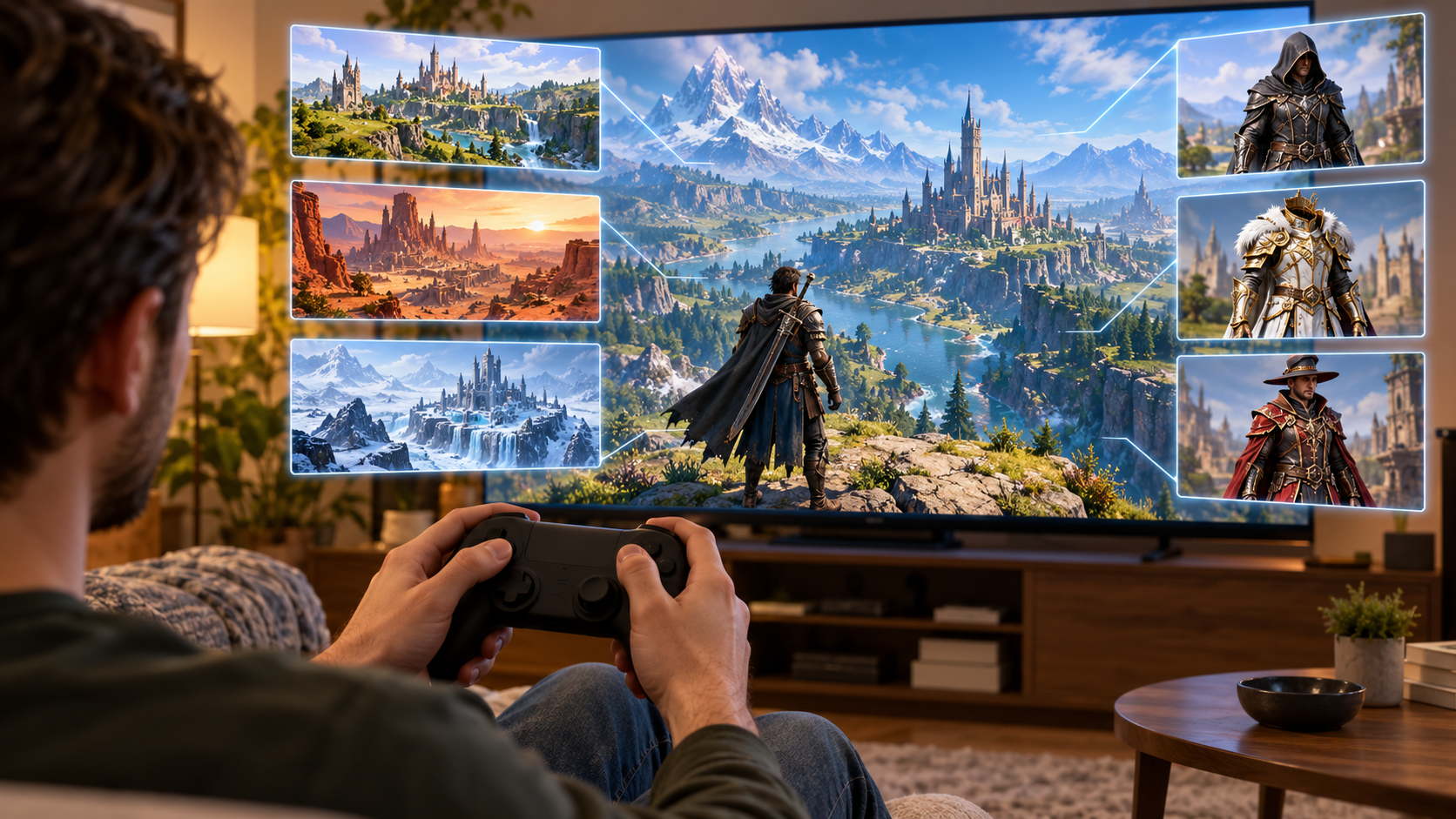
Downloadable content, usually shortened to DLC, is additional digital material distributed for use with a video game after or alongside its main release. It can add story chapters, maps, characters, music, items, modes, cosmetic options, or large expansions. Some DLC is free, some is purchased individually, and some is bundled through editions, subscriptions, or season passes. The label describes delivery and relationship to a base game, not size or quality; a tiny costume pack and a substantial new campaign can both be called DLC.
DLC ordinarily requires the compatible base game, platform, account, region, and version. Purchasing a season pass may grant rights to specified future add-ons, but the content can still require a separate download when released. Licenses are associated with accounts and platform systems, so transferring, sharing, or using content offline depends on their rules. Developers also issue free updates that change the game for everyone. A useful distinction is whether a file is a general patch or an entitlement-controlled add-on, even when both arrive through the same update process.
Post-release content lets developers extend a successful game and gives players reasons to return. Expansions can explore stories or mechanics that did not fit the original schedule. Cosmetic sales can support ongoing service without dividing players by gameplay access. The model also creates incentives that players may distrust. Content announced early can feel withheld from the base game, randomized or fragmented purchases can obscure total cost, and competitive advantages sold separately can alter perceptions of fairness.
A roadmap is a plan, not a guarantee, unless specific consumer promises and law make it one. Production priorities, technical problems, audience size, and business conditions can change what arrives. Buyers should compare the exact description, release status, refund terms, platform, and ownership requirements rather than assuming every pass includes all future content. Publishers should distinguish available content from aspirational plans and explain whether additions remain usable if online services or subscriptions change. Preservation is difficult because DLC may depend on storefront authentication and servers that outlive neither the game nor the hardware. A physical disc may contain only the base release, leaving a historically important version incomplete when downloads disappear. Complete editions sometimes consolidate material, but licenses and online features can still be missing. DLC therefore changes what it means to preserve and review a game. The product is not always one fixed object; it can be a sequence of builds and entitlements whose availability evolves over time. A practical way to read or discuss Downloadable Content is to separate the basic definition from the choices made in a particular example. DLC includes small add-ons and major expansions; price, size, release timing, and creative importance vary widely. Then identify who sets the relevant rules, which parts are creative decisions, and which parts follow from law, contracts, technology, or production limits. Examples that look similar on the surface can operate differently because their purpose, audience, timing, and surrounding agreements are different. Free patches can support paid DLC while also delivering fixes or shared systems needed by players who never purchase the add-on. It is also useful to check whether a source is describing a formal industry category, an informal critical label, or one organization's current practice. Those distinctions prevent a memorable anecdote from becoming a false universal rule. The date and market matter too: tools, distribution systems, and standard agreements change, while older examples can preserve assumptions that no longer apply everywhere. When a claim sounds absolute, compare it with a second type of source and look for the conditions under which it is actually true. Finally, compare the visible result with the less visible work that produced it. Storefront closure, authentication, subscriptions, and server dependence make preservation harder than keeping a physical copy of the base game. That approach keeps the explanation grounded while leaving room for reasonable disagreement about borderline cases.
DLC includes small add-ons and major expansions; price, size, release timing, and creative importance vary widely.
Access can depend on owning the correct base game edition, using the same region and platform, and downloading content tied to an account license.
A season pass bundles defined DLC, but it may not include every later add-on unless its terms explicitly say so.
Free patches can support paid DLC while also delivering fixes or shared systems needed by players who never purchase the add-on.
Players evaluate value through amount, quality, timing, total cost, and whether separately sold content changes fairness or completeness.
Storefront closure, authentication, subscriptions, and server dependence make preservation harder than keeping a physical copy of the base game.
Explore more "Explainers"
Discover additional explainers across politics, science, business, technology, and other fields. Each explainer breaks down a complex idea into clear, everyday language—helping you better understand how major concepts, systems, and debates shape the world around us.