

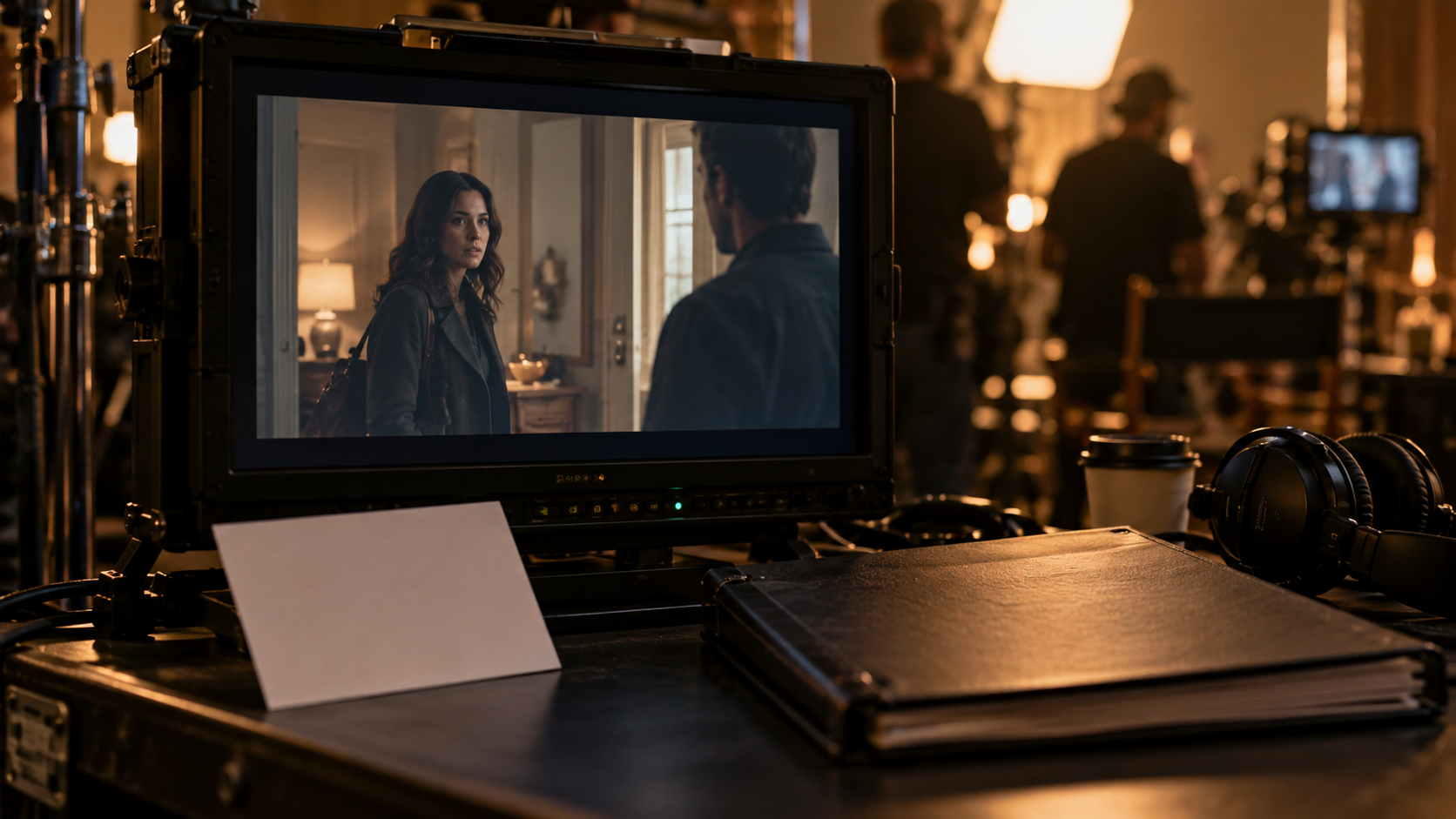
Cold Opens Explainer
A cold open is a scene or short sequence that appears at the start of a television episode before the main title sequence or opening credits. It may introduce the episode's central problem, continue a cliffhanger, establish a mystery, deliver a joke, or present an apparently unrelated event whose importance becomes clear later. The term describes placement, not genre. Sitcoms, dramas, procedurals, sketch shows, and animation all use cold opens, but the rhythm and purpose can be very different.
The device gives writers a piece of story before the formal threshold of the titles. In a procedural, the opening may show the incident that launches an investigation. A serialized drama may return directly to an unresolved moment from the previous episode. A comedy can use a compact premise that ends on a punch line and never reappears. In each case, the title sequence creates a punctuation mark: the audience has received a question, surprise, or emotional charge, and the show then signals that the episode proper is underway.
Cold opens also have practical roots in broadcast structure. Television has long been organized around acts, credits, and commercial breaks, and the first minutes need to establish momentum quickly. Streaming removed some old scheduling constraints but did not eliminate the storytelling benefit. A compelling opening can orient returning viewers and invite new ones without a long preamble. However, not every strong opening is loud or suspenseful. A quiet image, unusual conversation, or delayed reveal can work if it creates precise curiosity.
The opening's relationship to the episode matters more than its novelty. If it introduces information, the later story should develop or recontextualize that information. If it is a standalone comic scene, it still needs to express the characters and tone accurately. Some episodes intentionally omit the usual cold open or title sequence to mark a change in mood. Others alter a familiar opening as a running gag. Those variations are effective because viewers already understand the show's normal pattern. A cold open is sometimes confused with a teaser. In many production scripts the terms overlap, especially when the pre-title material functions as the first act or a short act before commercials. Usage varies by show and production format, so the on-page label is less important than the screen function. Viewers can analyze the device by noting what question the opening creates, where the title interrupts, and how long the episode waits to answer. That pattern reveals how the show manages expectation before its regular structure begins. A practical way to read or discuss Cold Opens is to begin with the basic definition and then identify the choices made in a particular example. A cold open is the material shown before an episode's main title sequence or opening credits. Next, ask who sets the relevant rules, who performs the work, and which results follow from creative judgment, law, contracts, technology, budget, or production limits. Similar-looking examples can operate differently because their audience, market, format, timing, and agreements are different. Teaser and cold open often overlap in production vocabulary, but terminology varies among formats and shows. It also helps to distinguish a formal industry category from an informal critical label or one organization's current practice. That separation keeps a memorable anecdote from becoming a false universal rule. Dates and territories matter: tools, distribution systems, audience behavior, and standard agreements change, while older examples can preserve assumptions that no longer apply everywhere. When a claim sounds absolute, compare it with a second kind of source and look for the conditions under which the claim is true. Then trace the process from the visible result back through the less visible decisions, handoffs, and quality checks that produced it. An unusual opening works best when its pacing and information have a meaningful relationship to the episode that follows. Finally, compare the example with a contrasting case and note which part of the definition still holds. This method keeps the explanation grounded, highlights the people and systems behind the outcome, and leaves room for reasonable disagreement about hybrid or borderline cases.
A cold open is the material shown before an episode's main title sequence or opening credits.
It can launch the main plot, resolve an earlier cliffhanger, establish atmosphere, or deliver a self-contained comic scene.
The title sequence acts as punctuation, separating the initial hook from the next phase of the episode.
Teaser and cold open often overlap in production vocabulary, but terminology varies among formats and shows.
Streaming changed distribution and break patterns, yet the device remains useful because it creates immediate focus and expectation.
An unusual opening works best when its pacing and information have a meaningful relationship to the episode that follows.
Explore more "Explainers"
Discover additional explainers across politics, science, business, technology, and other fields. Each explainer breaks down a complex idea into clear, everyday language—helping you better understand how major concepts, systems, and debates shape the world around us.