

Concert Ticketing Explainer
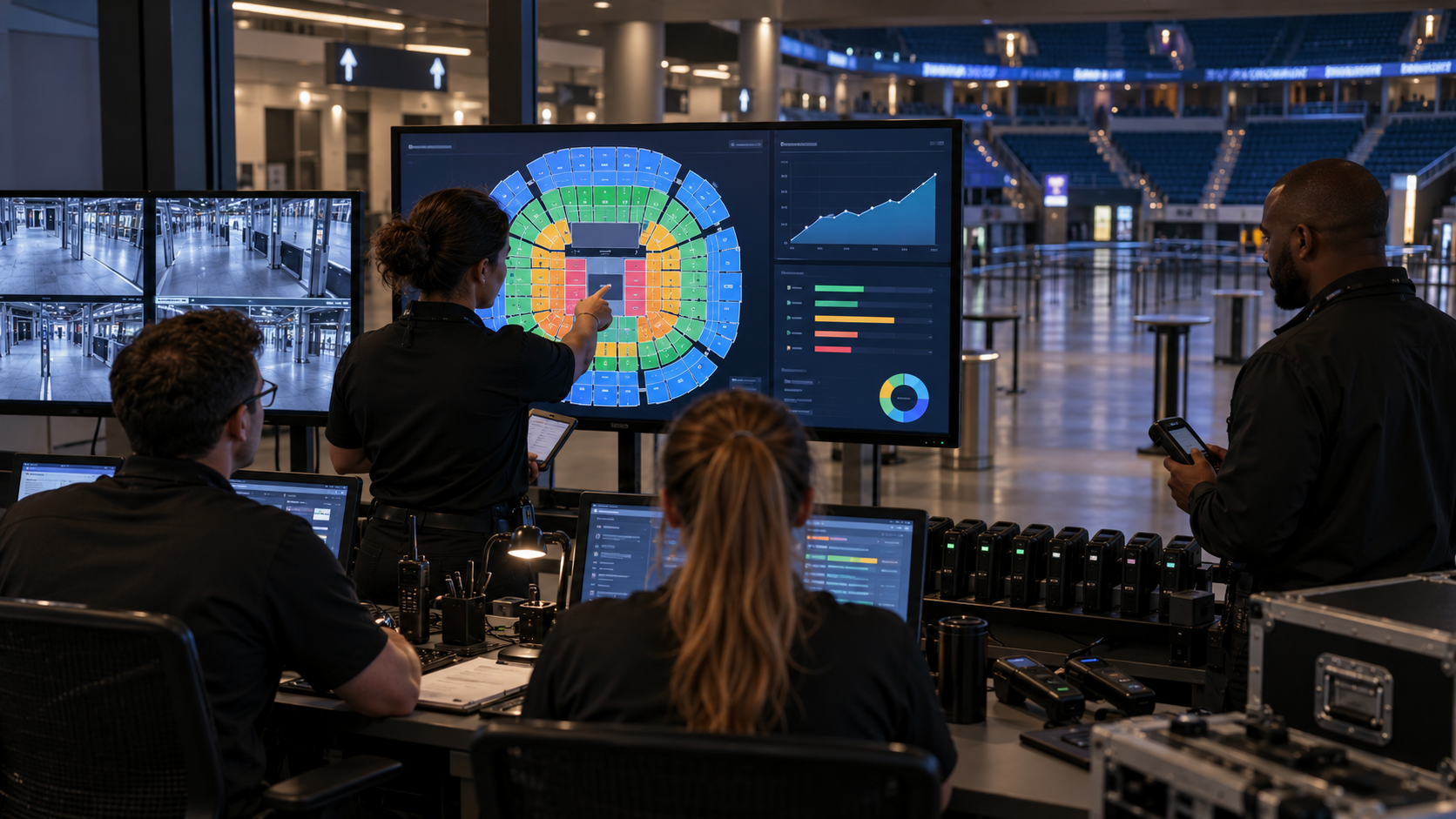
Concert ticketing is the system that allocates permission to enter a live event. It connects the artist, promoter, venue, ticketing provider, sponsors, fan programs, buyers, and sometimes resale platforms. Before sale, the team builds a seat map, holds inventory for production and partners, sets price levels, defines accessible seating and transfer rules, and tests onsale capacity. The number displayed at one moment is therefore not always the venue's total capacity or the final quantity that will become available.
Primary sales distribute tickets on behalf of the event. Access may be divided among fan registration, artist presales, venue members, credit-card programs, sponsors, local promotions, and the general onsale. A presale code grants an opportunity to shop, not a guaranteed seat. Queues manage traffic and can randomize or sequence entry, but demand may still exceed supply. Additional seats can appear later when production holds, sightline checks, or staging plans are resolved.
Prices can be fixed by section, packaged with benefits, or adjusted according to demand under a disclosed pricing system. The total cost can include service, facility, order, delivery, or other mandatory charges. In the United States, the Federal Trade Commission's rule on unfair or deceptive fees requires covered live-event ticket sellers to display the total price more prominently and clearly than other pricing information, while government charges and optional add-ons receive separate treatment.
Secondary resale occurs after an initial purchase, through authorized exchanges or other marketplaces. Transfer restrictions, delayed delivery, rotating barcodes, identity checks, price caps, and resale prohibitions vary by event and law. The federal BOTS Act prohibits circumventing online ticket limits or security measures for certain events at venues with more than 200 seats and addresses resale of tickets obtained that way. Enforcement does not make every automated purchase, high resale price, or speculative listing the same legal issue. At entry, scanners verify a current credential and invalidate it after use. Screenshots may fail when barcodes refresh, and a valid-looking listing can be duplicated, revoked, or never transferred. Buyers should use official event information, confirm the full price and seat details, understand delivery and refund terms, and treat urgency claims carefully. To analyze a sold-out notice, ask which inventory was released, which holds remain, how presales were divided, and whether later production changes could return seats. A practical way to read or discuss Concert Ticketing is to begin with the basic definition and then identify the choices made in a particular example. Ticketing begins with event configuration: capacity, holds, seat maps, price levels, accessible inventory, delivery, transfer, and entry rules. Next, ask who sets the relevant rules, who performs the work, and which results follow from creative judgment, law, contracts, technology, budget, or production limits. Similar-looking examples can operate differently because their audience, market, format, timing, and agreements are different. Mandatory fees affect the real purchase price, and covered sellers must follow current rules for clear total-price disclosure. It also helps to distinguish a formal industry category from an informal critical label or one organization's current practice. That separation keeps a memorable anecdote from becoming a false universal rule. Dates and territories matter: tools, distribution systems, audience behavior, and standard agreements change, while older examples can preserve assumptions that no longer apply everywhere. When a claim sounds absolute, compare it with a second kind of source and look for the conditions under which the claim is true. Then trace the process from the visible result back through the less visible decisions, handoffs, and quality checks that produced it. The BOTS Act targets circumvention of online purchase controls and resale of tickets acquired through prohibited circumvention at covered venues. Finally, compare the example with a contrasting case and note which part of the definition still holds. This method keeps the explanation grounded, highlights the people and systems behind the outcome, and leaves room for reasonable disagreement about hybrid or borderline cases.
Ticketing begins with event configuration: capacity, holds, seat maps, price levels, accessible inventory, delivery, transfer, and entry rules.
Presales divide access among defined groups, but a code usually provides shopping access rather than a guaranteed ticket.
Production holds can be released after staging and sightlines are confirmed, so legitimate inventory may appear after an initial sellout.
Mandatory fees affect the real purchase price, and covered sellers must follow current rules for clear total-price disclosure.
Resale platforms, transfer restrictions, delayed delivery, and changing barcodes alter risk after the primary transaction.
The BOTS Act targets circumvention of online purchase controls and resale of tickets acquired through prohibited circumvention at covered venues.
Explore more "Explainers"
Discover additional explainers across politics, science, business, technology, and other fields. Each explainer breaks down a complex idea into clear, everyday language—helping you better understand how major concepts, systems, and debates shape the world around us.