

How the Gut Microbiome Interacts with the Body Explainer
The gut microbiome is the community of bacteria, archaea, fungi, viruses, and other microorganisms living mainly in the large intestine, together with their genes and activities. It is not one fixed organ or a universal list of good species. Community composition differs among people and changes with age, diet, medicines, illness, geography, and time while often retaining important overlapping functions.
Microbes use nutrients that escape digestion in the small intestine, including many dietary fibers. Fermentation produces short-chain fatty acids and other metabolites that intestinal cells or the liver can use. Microbes also modify bile acids, vitamins, drugs, and host secretions. The same compound can have different effects depending on dose, location, community partners, and the physiology of the host.
A mucus-covered epithelial barrier separates most microbes from internal tissues. Tight junctions, antimicrobial molecules, and immune cells monitor this boundary while tolerating ordinary residents. Microbial products help train immune development, and the immune system shapes which organisms can persist. This relationship is cooperative but conditional: a harmless resident in one location can cause disease if it crosses a damaged barrier.
Microbial communities also resist invaders by occupying niches, consuming resources, and producing inhibitory compounds. Antibiotics, infections, major dietary shifts, or bowel preparation can disturb the community. Recovery may be rapid for some functions and incomplete for others. Diversity is often useful as an ecological measure, but more diversity is not automatically healthier in every body site or clinical setting.
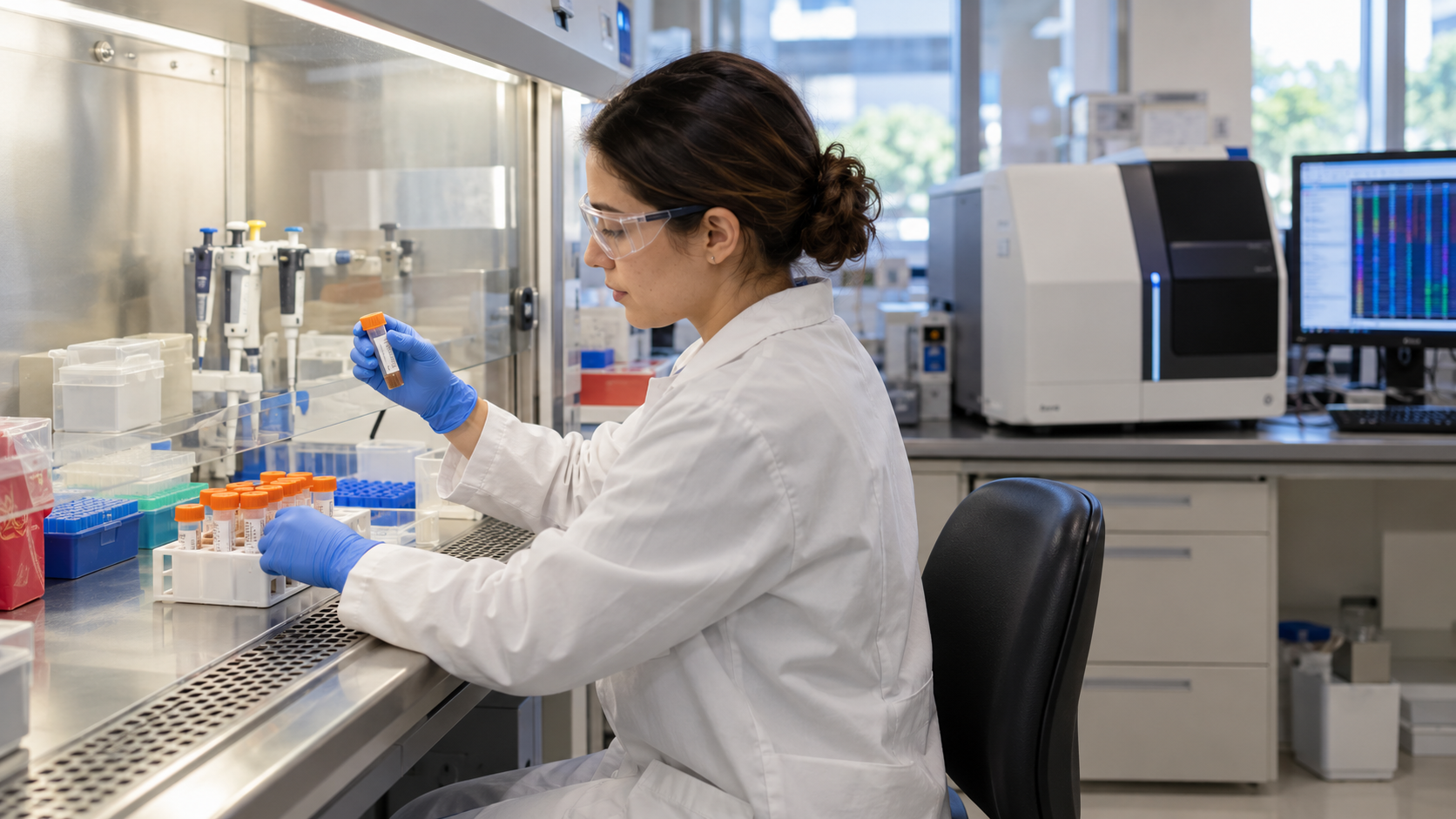
Researchers study the microbiome by culturing organisms, sequencing marker genes or entire DNA collections, measuring RNA, proteins, and metabolites, and following communities over time. A stool sample mainly represents material leaving the colon, not every organism attached to the intestinal lining. Association does not prove causation, and different analysis pipelines can produce different taxonomic labels or abundance estimates.
The microbiome is linked to digestion, immunity, drug response, and many diseases, but broad commercial claims often outrun evidence. An observed microbial pattern may be a cause, a consequence, or a bystander. Useful interventions require defined organisms or functions, controlled trials, safety monitoring, and attention to the individual host. The best model is an interacting ecosystem, not a single hidden score of wellness.
The gut microbiome includes microorganisms, their genes, products, and ecological interactions.
Microbes ferment otherwise undigested nutrients and modify bile acids, drugs, and host compounds.
The epithelial barrier and immune system tolerate residents while limiting invasion.
Community members can resist pathogens through competition and inhibitory metabolites.
Stool sequencing is informative but does not capture every location, function, or causal relationship.
Microbiome therapies require specific evidence; one universal healthy composition does not exist.
Explore more "Explainers"
Discover additional explainers across politics, science, business, technology, and other fields. Each explainer breaks down a complex idea into clear, everyday language—helping you better understand how major concepts, systems, and debates shape the world around us.