

How Tennis Seeding Works Explainer
Seeding places selected tennis players in a draw so the strongest entrants, according to the event’s rules, are less likely to meet in early rounds. Seeds normally follow an official ranking list at a stated cutoff date.
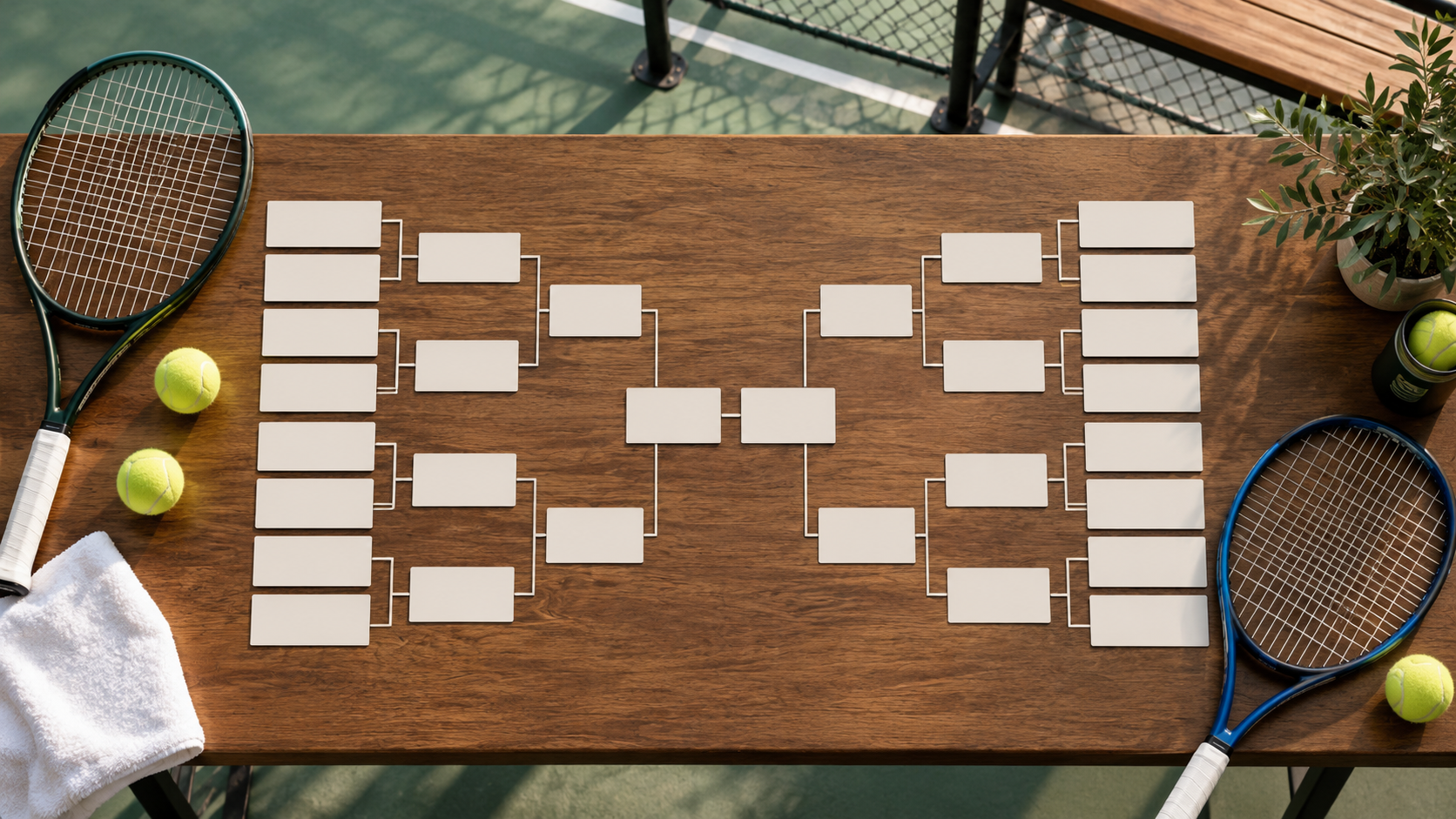
The top seed is placed at one end of the bracket and the second seed at the other. Remaining seeds are drawn into prescribed lines so they are distributed among quarters, eighths, or smaller sections, depending on draw size.
Unseeded direct acceptances, qualifiers, lucky losers, and wild cards fill the open places. A qualifier can still face a seed immediately. Withdrawals may cause reseeding or an alternate, but the timing and competition regulations control any change.
A seed affects draw placement only. It does not guarantee a bye, an easy opponent, or advancement, and it gives no scoring advantage. Once the event begins, every player must win the required matches under the same rules.
Events use an approved ranking list and published cutoff date.
Tournament rules determine how many seeds appear.
Top seeds are separated and others enter prescribed bracket positions.
That reduces early meetings among leading entrants.
Seeding does not promise a bye or advancement.
It changes placement, not the scoring rules on court.
Explore more "Explainers"
Discover additional explainers across politics, science, business, technology, and other fields. Each explainer breaks down a complex idea into clear, everyday language—helping you better understand how major concepts, systems, and debates shape the world around us.