

How Baseball's Automatic Runner Works Explainer
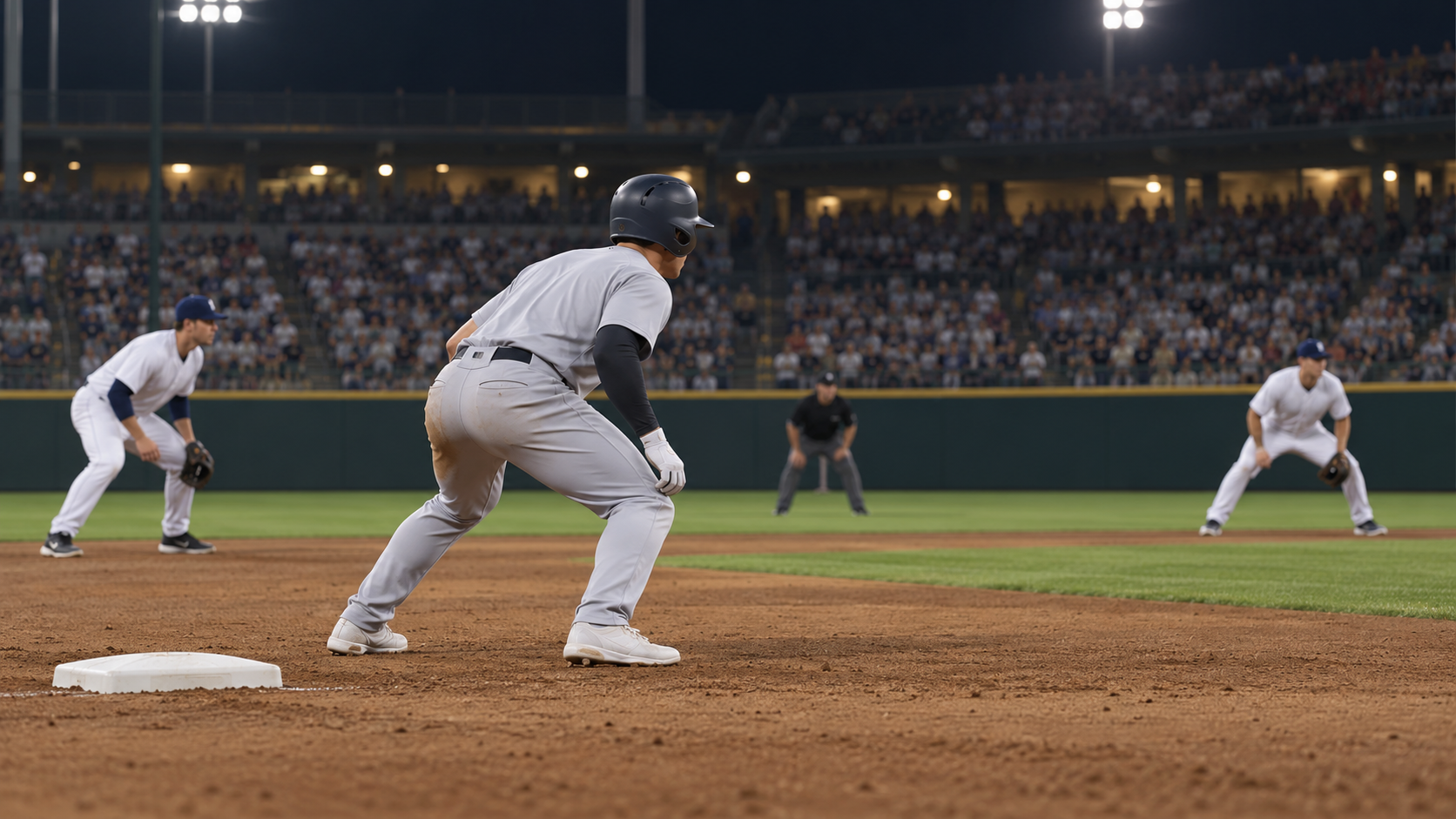
In MLB regular-season extra innings, each half-inning begins with an automatic runner on second base. The designated runner is normally the player in the batting order immediately before the inning's leadoff hitter, creating an immediate scoring opportunity without changing the lineup order.
A club may use an eligible substitute as the runner, but that is a normal substitution with the usual lineup consequences. If the preceding hitter was the pitcher or another special case applies, the rulebook identifies which prior batter is used rather than forcing the pitcher to run.
The automatic runner is treated as having reached second without an error for earned-run accounting. If that runner scores without another event that would make the run earned, the run is generally unearned to the pitcher, even though it counts fully on the game scoreboard.
The rule applies to the regular season under current MLB policy, while postseason games use ordinary extra innings without the placed runner. Strategy changes immediately: bunts, steals, intentional walks, and contact hitting become more valuable with the winning or go-ahead run already in scoring position.
Normally the player in the batting order immediately before the inning's leadoff hitter.
Yes, but it counts as a normal substitution with the usual lineup effects.
MLB postseason extra innings are played without the regular-season automatic runner.
Explore more "Explainers"
Discover additional explainers across politics, science, business, technology, and other fields. Each explainer breaks down a complex idea into clear, everyday language—helping you better understand how major concepts, systems, and debates shape the world around us.