

How Baseball Catcher's Interference Works Explainer
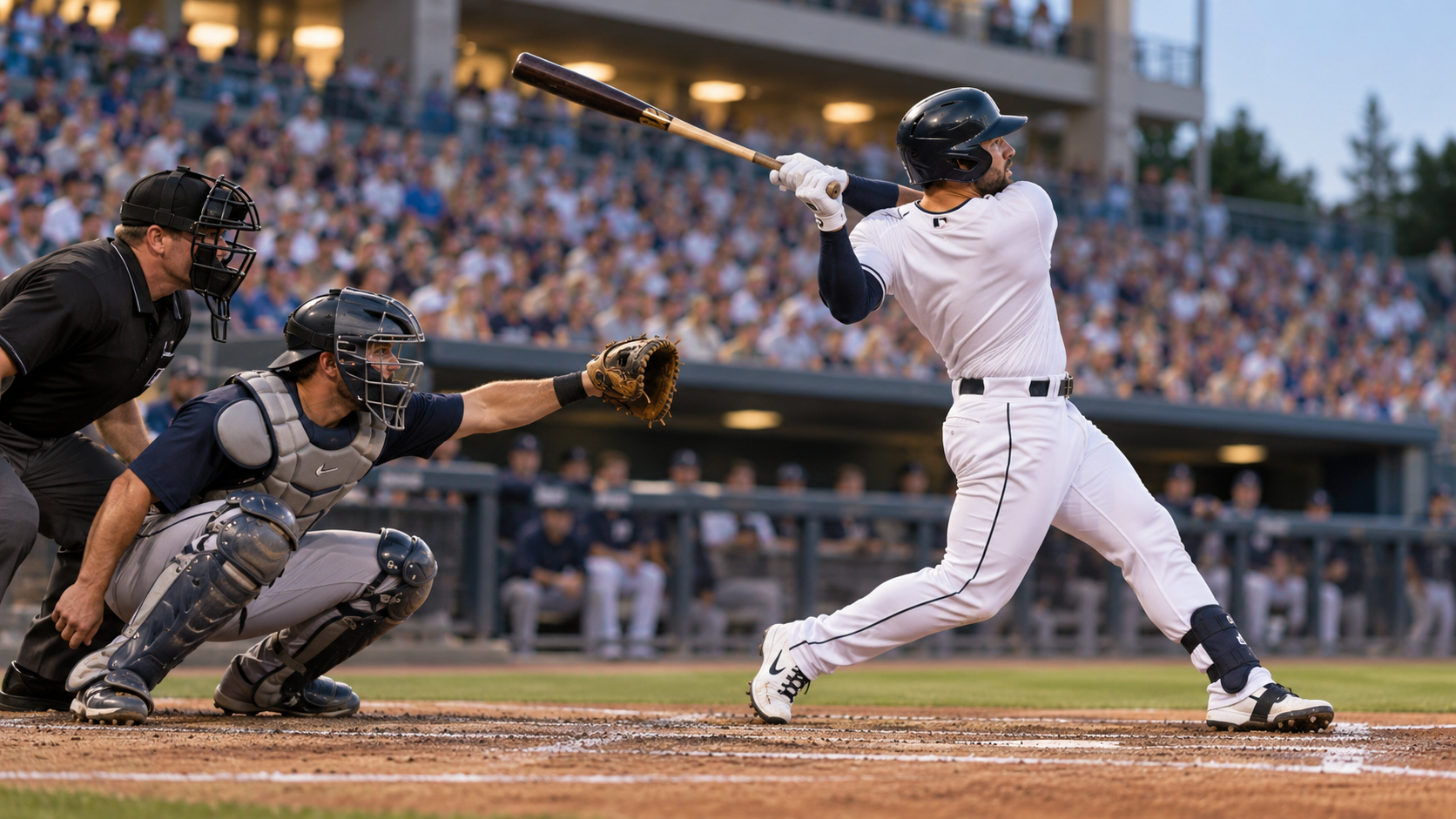
Catcher's interference occurs when a catcher or another fielder physically hinders a batter's attempt to hit a pitched ball. The familiar version happens when the catcher's mitt reaches too far forward and touches the bat during the swing. The umpire signals the infraction, but the ball is not automatically dead at that instant.
If the batter and every runner advance at least one base on the play, the result normally stands and the interference is ignored. Otherwise, the batter is generally awarded first base and forced runners advance as required. That delayed decision keeps a productive hit from being erased by the defensive violation.
The offensive manager may sometimes choose the actual play instead of the standard interference award. That choice matters when a run scores, a runner advances farther, or an out trades for a valuable result. The election must be made promptly after the play, before action resumes.
The rule protects the batter's legal swing without giving the offense two outcomes at once. It also explains why viewers may see the plate umpire point at the catcher, allow the ball to travel, and sort out the bases only after the action ends. The touch can be slight, but its effect is procedural and important.
No. The umpire can let the play finish so the offense may keep a better result.
The batter is generally awarded first base if the play does not produce the required advances.
Yes. The manager may elect the play when its result is more favorable than the standard award.
Explore more "Explainers"
Discover additional explainers across politics, science, business, technology, and other fields. Each explainer breaks down a complex idea into clear, everyday language—helping you better understand how major concepts, systems, and debates shape the world around us.