

How Retired Hurt and Retired Out Differ in Cricket Explainer
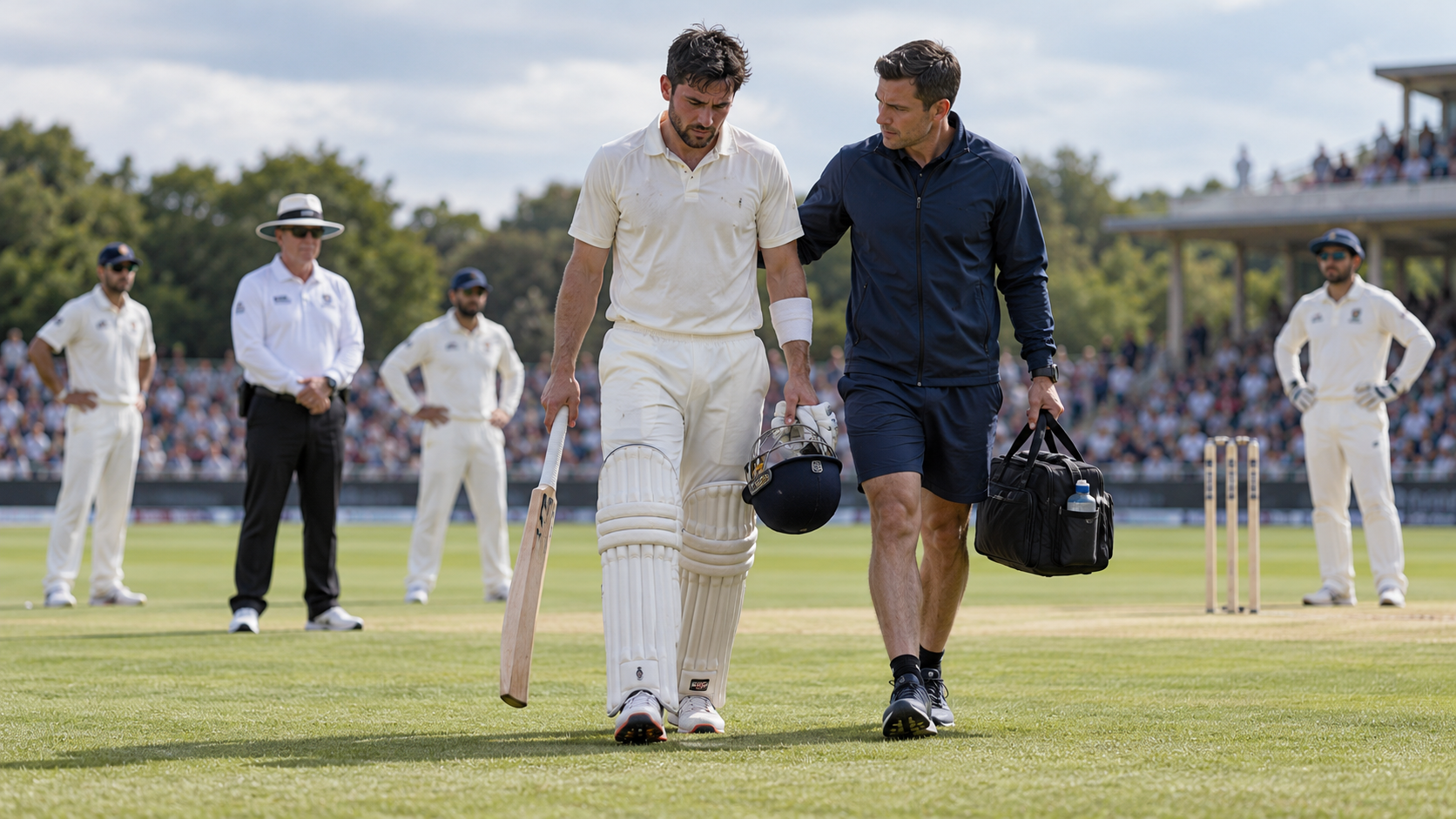
A batter who retires because of illness, injury, or another unavoidable cause is entitled to resume the innings. If the batter does not return, the scorecard records the innings as retired not out, commonly described as retired hurt. The umpires must be informed of the reason for leaving.
A batter who retires for another reason may resume only with the opposing captain's consent. If that batter does not return, the innings is recorded as retired out. This creates a dismissal in the team total even though no bowler receives credit for taking the wicket.
A returning batter normally resumes only at the fall of a wicket or when another batter retires. The law prevents repeated tactical exits from disrupting the batting order. Competition playing conditions can add procedures, but they do not erase the distinction between unavoidable and voluntary retirement.
The terms therefore describe both cause and scoring outcome. Retired hurt preserves not-out status because the departure was unavoidable, while retired out treats a voluntary, unresumed departure as a completed innings. Officials and scorers need a clear reason at the time so the later return rights and record are correct.
Yes. A batter who leaves for an unavoidable cause is entitled to resume the innings.
Consent is required when the batter retired for a reason other than illness, injury, or another unavoidable cause.
No. The innings counts as out, but the wicket is not credited to a bowler.
Explore more "Explainers"
Discover additional explainers across politics, science, business, technology, and other fields. Each explainer breaks down a complex idea into clear, everyday language—helping you better understand how major concepts, systems, and debates shape the world around us.