

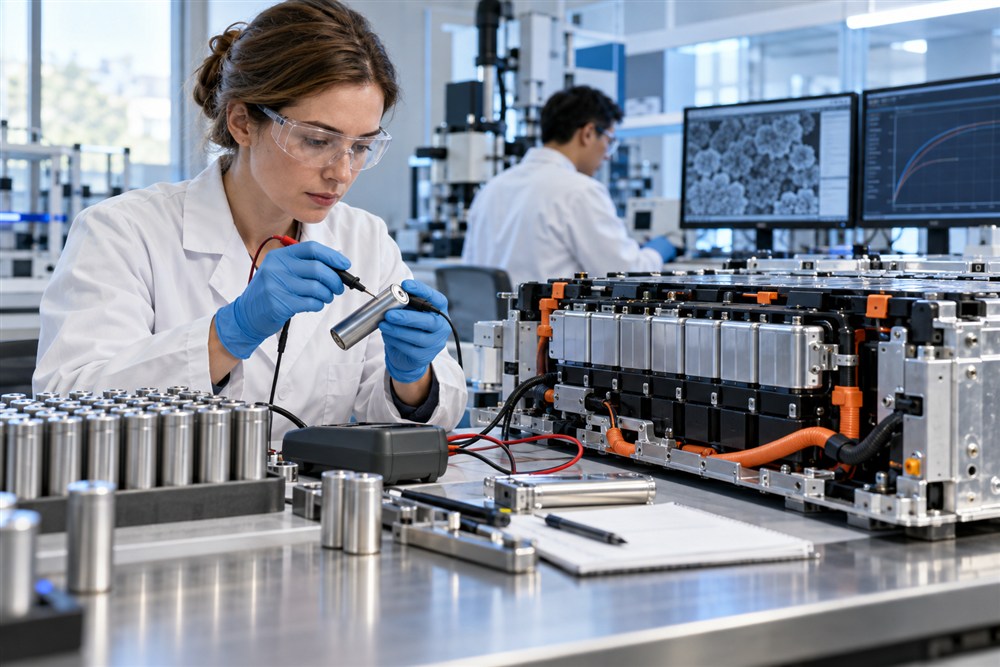
Batteries Explainer
Batteries are the unseen muscles of modern technology, quietly storing energy and releasing it on demand. At their core, they are devices that convert chemical energy into electrical energy through controlled reactions. A typical battery cell has three main components: an anode (negative electrode), a cathode (positive electrode), and an electrolyte that allows ions to move between them. When a battery powers a device, ions flow through the electrolyte while electrons travel through an external circuit, creating the usable electric current that runs everything from watches to laptops.
Not all batteries are created equal. Disposable, or primary, batteries—like common alkaline cells—are designed for one-time use and then discarded. Rechargeable, or secondary, batteries can be cycled hundreds or thousands of times by reversing the chemical reaction during charging. Lithium-ion batteries dominate today’s portable electronics because they offer a strong combination of energy density, low weight, and efficiency. Lead-acid batteries, one of the oldest rechargeable chemistries, remain widely used in cars and backup power systems because they are robust and inexpensive, even if they are heavier and less energy-dense. Newer chemistries, such as lithium iron phosphate and emerging solid-state batteries, aim to improve safety, lifespan, and performance.
The impact of batteries extends far beyond pocket-sized devices. Electric vehicles (EVs) rely on large battery packs to provide driving range and performance that can compete with gasoline engines. At the same time, batteries are becoming essential to clean energy systems. Solar panels and wind turbines generate electricity when the sun shines and the wind blows, not necessarily when people need power. Grid-scale battery installations can store excess energy during periods of high production and release it later, helping balance supply and demand and making renewable power more reliable. This shift is turning batteries into a key enabler of climate and energy strategies around the world.
Despite their benefits, batteries come with challenges. Many high-performance chemistries rely on materials such as lithium, cobalt, and nickel, which raise concerns about mining practices, environmental impact, and supply security. Battery manufacturing consumes energy and resources, and end-of-life disposal can create waste and pollution if recycling systems are weak. In response, researchers and companies are working to improve recycling rates, develop chemistries that use more abundant or less hazardous materials, and design batteries that last longer and degrade more slowly. As these innovations progress, batteries are likely to become even more central to transportation, consumer electronics, and the global energy system—quietly powering the next wave of technological change.
Batteries are energy storage devices that convert chemical energy into electrical energy on demand. The first modern battery concept dates back to Alessandro Volta’s “voltaic pile” in 1800, proving that electricity could be produced chemically rather than through static generation. That discovery helped launch the field of electrochemistry and set the foundation for portable power.
Over the centuries, battery design has advanced through different chemistries — from lead-acid and nickel-based systems to the lithium-ion batteries widely used today. As technology evolved, batteries enabled untethered devices, electrified transportation, and now support the growing shift toward renewable energy storage.
A battery cell contains a negative electrode (anode), positive electrode (cathode), and an electrolyte that allows ions to move between them. When powering a device, electrons flow through an external circuit, delivering usable electricity — and during charging, that reaction is reversed in rechargeable cells.
Today’s batteries power nearly every aspect of digital life: smartphones, laptops, medical devices, and electric vehicles. On a larger scale, utility-grade battery systems store extra energy from wind and solar farms, making it available when production drops — an increasingly important part of clean energy infrastructure.
Batteries remain constrained by material needs, weight, cost, and safety concerns. Lithium, cobalt, and nickel sourcing raises environmental and humanitarian issues, and safe battery recycling systems are not yet widespread. Engineers are working to reduce reliance on scarce elements and create longer-lasting, more stable designs.
Solid-state batteries, sodium-ion cells, and advanced manufacturing techniques aim to improve power density, safety, and sustainability. As global electrification accelerates, battery innovation will be key to efficient transportation, resilient power grids, and a future less dependent on fossil fuels.
Explore more "Explainers"
Discover additional explainers across politics, science, business, technology, and other fields. Each explainer breaks down a complex idea into clear, everyday language—helping you better understand how major concepts, systems, and debates shape the world around us.