

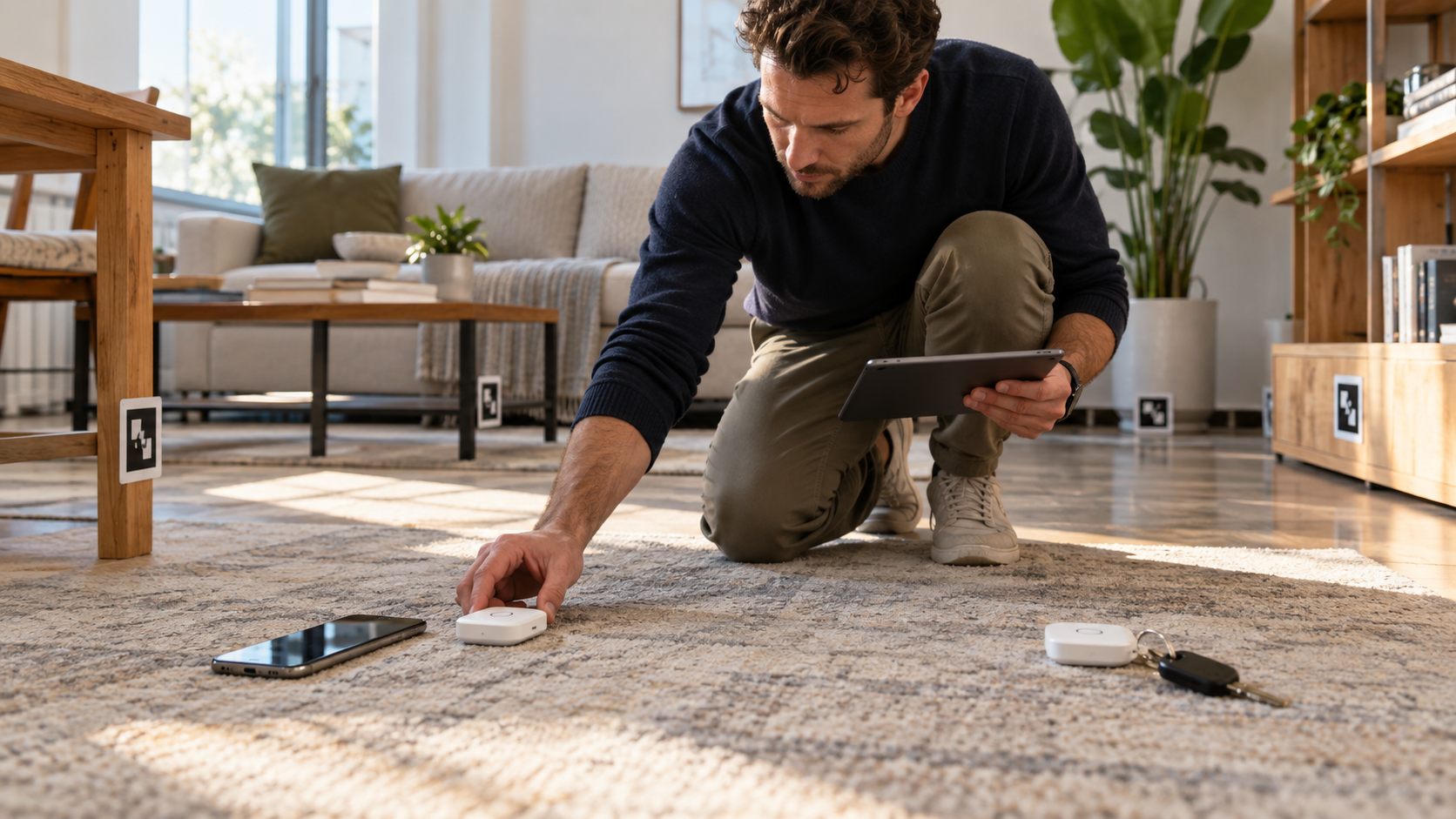
Ultra-wideband finds nearby devices by exchanging very short radio pulses across a wide spectrum and measuring timing with high precision. The useful starting point is to separate the job the technology performs from the products that implement it. Vendors may expose different controls, but compatible systems share core rules so independently built components can work together. Understanding that boundary also prevents the feature from being credited with protections it was never designed to provide. It is also useful to identify the trust boundary: which component makes a decision, which evidence it relies on, and what another component is allowed to assume afterward in normal operation.
Two devices perform time-of-flight or time-difference measurements. Secure ranging protocols, calibrated antennas, and multiple anchors can estimate distance and sometimes direction or position. Those parts operate under rules that define message or data formats and the conditions under which a result is accepted. Implementations also keep state because a later step often depends on what happened earlier. Logs, counters, traces, and diagnostic tools make that state observable and help distinguish a normal delay from overload, configuration error, or active attack. Performance comes from dividing work carefully, reusing established state where safe, and avoiding unnecessary coordination without weakening the correctness rules.
Devices discover a compatible session, authenticate and configure ranging, exchange timestamped packets, calculate propagation time, reject inconsistent measurements, and combine repeated ranges into a stable estimate. Each stage should validate what it receives before committing to the next stage. Timeouts and bounded retries handle ordinary loss, while explicit errors stop a bad state from silently spreading. Versions can differ, but a reliable implementation preserves the central contract and fails in a defined way when required evidence is absent or inconsistent. Recovery is part of the sequence too: after a restart or interrupted message, participants must know what was durable, what may repeat, and which operation can safely resume.
Fine time resolution can provide more precise short-range distance and direction than signal-strength methods, enabling item finding, hands-free access, and indoor location. The improvement is strongest when surrounding components respect the same assumptions. Monitoring still matters because averages can hide one failed region, unusual client, or slow path. Engineers compare success rates, latency, capacity, and error causes before deciding that a deployment is working as intended. A sound design therefore connects the technical advantage to a measurable service goal rather than assuming that the mere presence of the feature creates value.
Walls, human bodies, reflections, antenna orientation, clock error, poor anchor geometry, and relay attacks can distort results. Accuracy depends on device and environment. Compatibility and safe defaults also matter during upgrades because old and new behavior may coexist. A mixed environment creates fallback and configuration risk if teams cannot see which path a request used. Defense in depth treats this mechanism as one layer rather than the entire system. Human decisions remain important: broad permissions, unreviewed defaults, missing alarms, or a recovery procedure that nobody has tested can defeat an otherwise careful technical design.
Products use authenticated ranging, verify motion and context, calibrate antennas, combine inertial sensors, require user intent for unlocking, and provide a fallback when radio conditions are poor. Documentation should record ownership, expected behavior, failure modes, and a tested recovery route. Changes are safest when introduced gradually with metrics and a way to reverse them. The operational question is not simply whether a feature is enabled, but whether surrounding identities, policies, capacity, versions, and human procedures make its promise true. Teams should rehearse the most likely failure, confirm that alerts reach an accountable person, and review settings after major workload, software, or threat changes.
No. Bluetooth often estimates proximity from signal strength, while UWB can measure radio travel time much more precisely.
Some devices use multiple antennas to estimate angle, while others need several anchors or additional sensors.
No. Secure ranging and application-level checks are needed to make delayed or relayed signals harder to exploit.
Explore more "Explainers"
Discover additional explainers across politics, science, business, technology, and other fields. Each explainer breaks down a complex idea into clear, everyday language—helping you better understand how major concepts, systems, and debates shape the world around us.