

Edge Computing Explainer
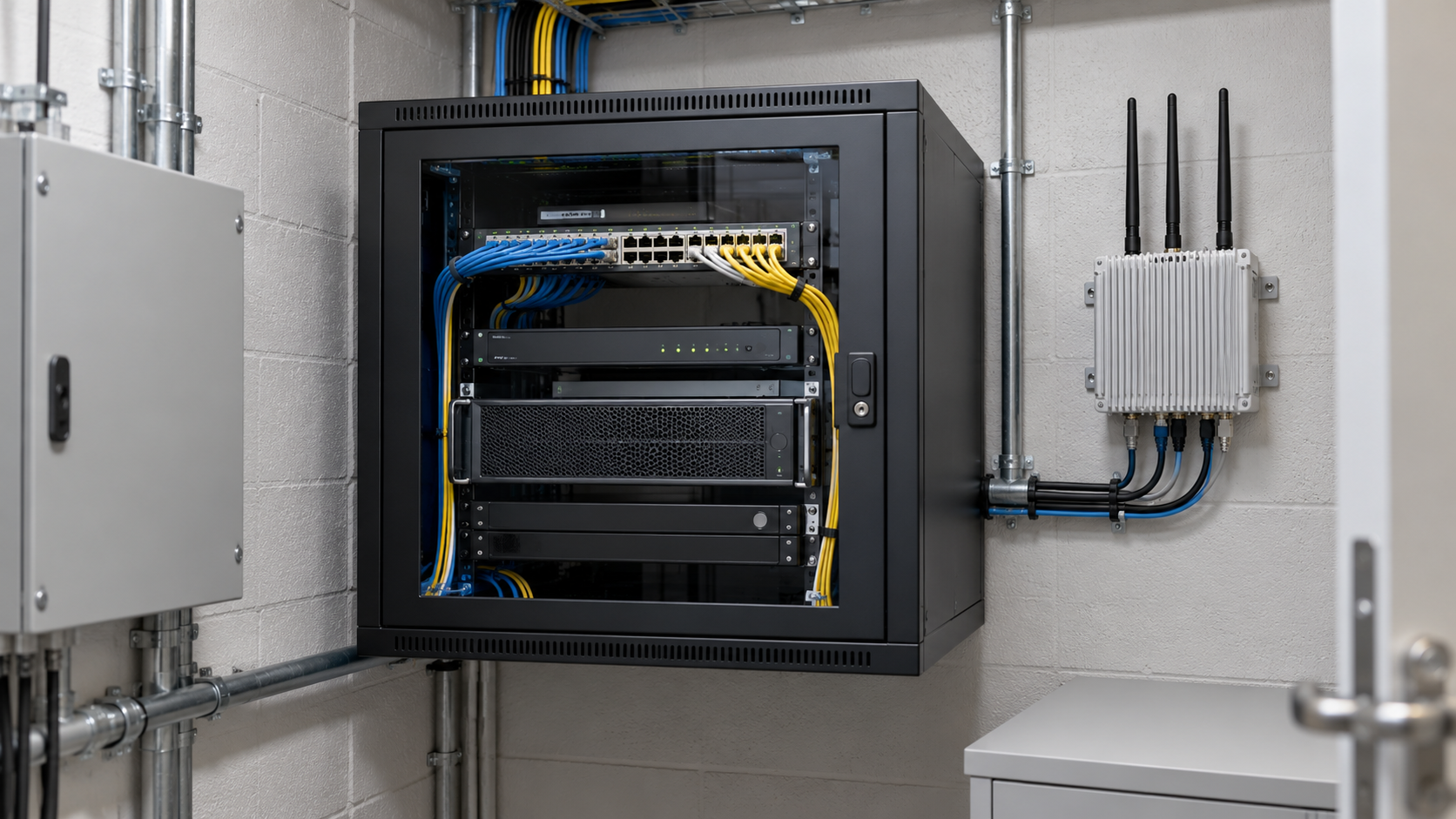
Edge computing is a way of placing some computing power close to where data is created instead of sending every request to a distant central data center. The word edge means the outer edge of a network: a store, factory, hospital, traffic intersection, cell tower, office, or home. An edge device may be a small server, a gateway, a router with extra processing capacity, or a computer built into equipment. It can collect information, make a quick decision, and send only the useful result onward when appropriate.
A traditional cloud system concentrates processing in large facilities. That model is excellent for work that needs huge scale, shared databases, long-term storage, or powerful analysis. But information must travel across networks before the central service can respond. For an application that can tolerate a short delay, that trip is usually fine. For a camera that must flag a safety issue, a machine that needs to stop when it detects a fault, or a game that needs a fast response, even a small network delay can matter. Edge computing reduces the distance a time-sensitive request must travel.
Consider a delivery warehouse with cameras and sensors. Sending every raw video frame and every measurement to a distant service can use considerable bandwidth. An edge computer can inspect the video locally, recognize a package in the wrong place, and report an alert or a short event record. The central system still receives the information it needs for planning and history, but the immediate action does not have to wait for a round trip. In the same way, an edge system can combine nearby sensor readings, filter out routine activity, and forward only exceptions.
Edge computing does not replace cloud computing. The two usually work together. The edge handles local, fast, or bandwidth-sensitive work, while the cloud coordinates larger datasets, trains models, stores records, and distributes software updates. A retailer might use edge devices in each location to keep checkout systems responsive, then use a central platform to compare inventory across all locations. A manufacturer might use local analysis to monitor equipment while retaining a cloud archive for maintenance trends.
Reliability is another reason to process at the edge. A local system may continue performing selected tasks if an internet connection becomes slow or temporarily unavailable. That does not mean every edge device can operate forever without a connection. Designers decide what needs to keep running independently, what data should be stored until service returns, and how to reconcile records later. Those choices are important because local copies can become out of date or conflict with a central record if they are not managed carefully.
The tradeoff is that computing becomes more distributed. Instead of protecting and maintaining a few central locations, an organization may need to manage many small devices in many physical places. Each one needs appropriate software updates, access controls, monitoring, backups, and a plan for replacement if hardware fails. Devices installed in public or industrial locations also need physical protection. The system must be designed so a local failure does not quietly create incorrect results elsewhere.
The central idea is simple: put the right amount of processing near the point where it is most useful. Edge computing can shorten response times, reduce unnecessary network traffic, and keep essential local tasks moving. It works best when engineers clearly divide work between local devices and central services, then manage both parts as one connected system.
Edge computing places processing near where data is produced. An edge node is the nearby device or small server doing that work. A gateway can connect local equipment to a wider network, while the cloud provides centralized storage, coordination, and large-scale computing.
Keeping selected work close to a camera, sensor, machine, or customer can reduce the time spent sending a request across a network. It can also avoid transmitting every raw measurement when a local system can filter routine information and forward only useful events or summaries.
Distributed devices must be updated, monitored, protected, and replaced in many locations. Designers also need clear rules for data storage, access, recovery after a connection outage, and keeping local and central records consistent. Edge computing helps only when those operational details are planned well.
Explore more "Explainers"
Discover additional explainers across politics, science, business, technology, and other fields. Each explainer breaks down a complex idea into clear, everyday language—helping you better understand how major concepts, systems, and debates shape the world around us.