

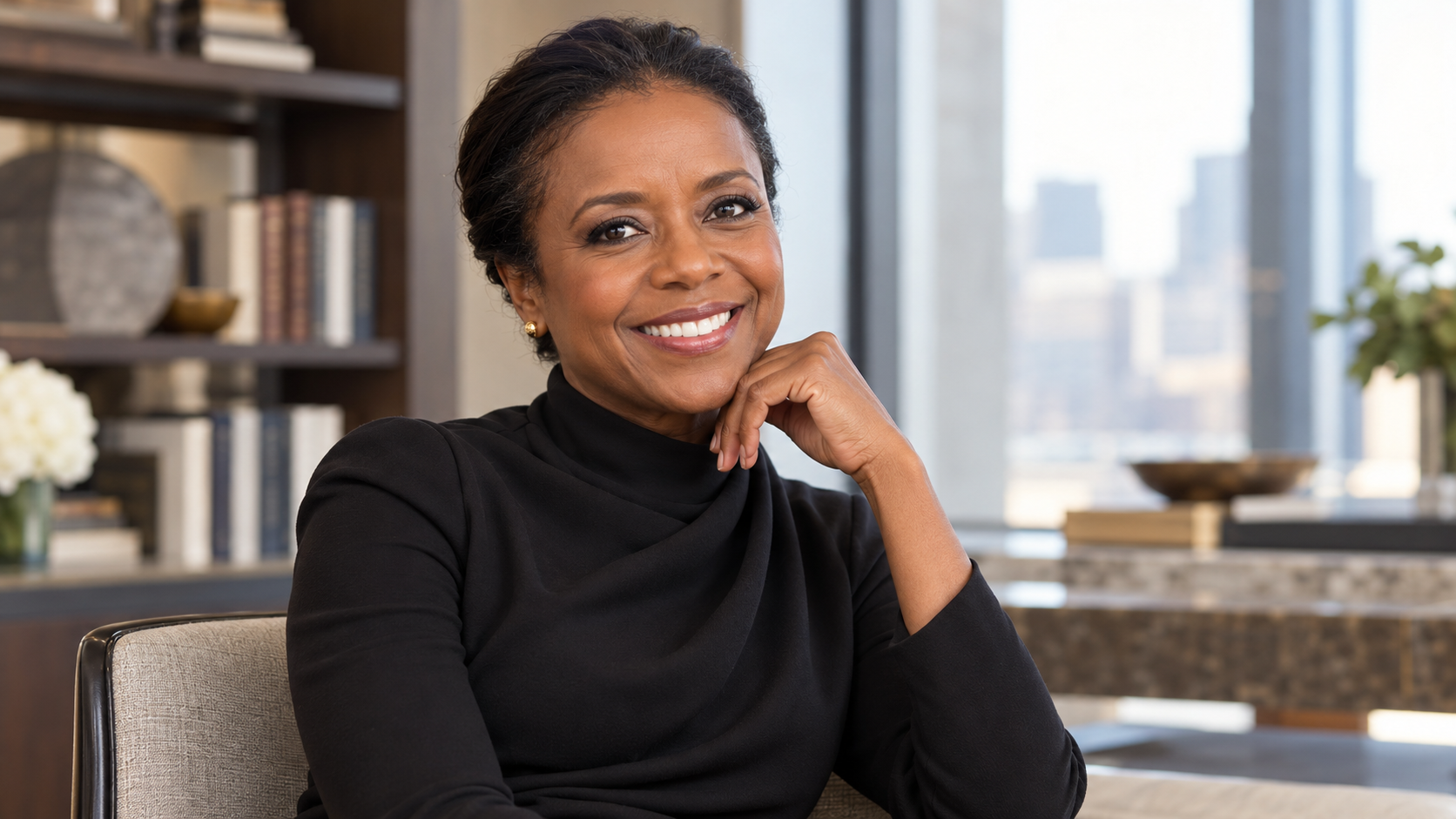
“We cannot afford to be color-blind, we have to be color-brave.”
Mellody Hobson delivered this line in her 2014 TED talk, “Color blind or color brave?” The investor and business leader challenged a familiar expression that is often intended to signal fairness: “I don’t see color.” Hobson argued that refusing to discuss race does not remove racial patterns from workplaces, markets, schools, or networks. It can instead make those patterns harder to examine. Her alternative—color bravery—asks people to acknowledge difference, tolerate discomfort, and speak with enough precision to change decisions rather than merely declare good intentions.
In business, the distinction is practical. Hiring, promotion, capital allocation, supplier selection, marketing, and product design all depend on judgment. If leaders assume their processes are neutral because they avoid racial language, they may miss how informal networks, inherited criteria, or limited perspectives shape outcomes. Color bravery does not mean reducing every person to a demographic category. It means being willing to investigate whether opportunity is actually distributed as an organization believes it is, and to listen when lived experience reveals a gap between policy and practice.
The phrase also contains an important warning about symbolism. Conversation is necessary, but bravery is not measured by vocabulary alone. A company can release a polished statement while leaving decision rights, incentives, and accountability untouched. Serious inclusion work asks who is in the room, who receives sponsorship, what data leaders review, and whether products serve the customers a company claims to understand. It also leaves room for disagreement and correction. That matters because employees often see barriers long before a dashboard records them, and customers may recognize exclusions that designers never intended. The purpose is not to perform certainty; it is to make it possible for people to identify blind spots without being punished for raising them.
Hobson’s message remains relevant because diverse markets reward accurate perception. Teams cannot fully understand customers or talent pools they have trained themselves not to see. At the same time, demographic awareness must be paired with individual attention: people want their experiences recognized without having assumptions imposed upon them. Color bravery is therefore a leadership discipline, not a slogan. It calls for curiosity, evidence, and candor, followed by action that can be evaluated. The business benefit—better decisions, wider access to talent, and stronger trust—matters, but the standard is deeper: institutions should be capable of seeing people clearly enough to offer a genuinely fair chance.
Hobson made the statement during a TED talk delivered in 2014. She used personal and professional examples to argue that anxiety about race often produces silence precisely where candid discussion is needed.
The talk contrasted “color blindness,” a phrase commonly used to express impartiality, with “color bravery,” the willingness to recognize racial realities and engage them directly.
Color bravery is not permission to stereotype or treat identity as destiny. It asks people to examine patterns and experiences while continuing to see each colleague, applicant, and customer as an individual.
It also requires action. Honest language matters because it enables better decisions about access, sponsorship, accountability, and the systems through which opportunity is distributed.
Organizations serve increasingly varied workforces and markets. Pretending differences are invisible can deprive leaders of information essential to product design, talent development, and trust.
Hobson’s framing offers a durable standard: approach inequity with evidence and candor, accept the discomfort of learning, and connect discussion to decisions whose effects can be measured.
Explore more "Quotes of The Day"
Discover more notable quotes from influential voices across politics, science, business, technology, sports, and culture. Each quote offers insight into how ideas, beliefs, and decisions shape the world around us.