

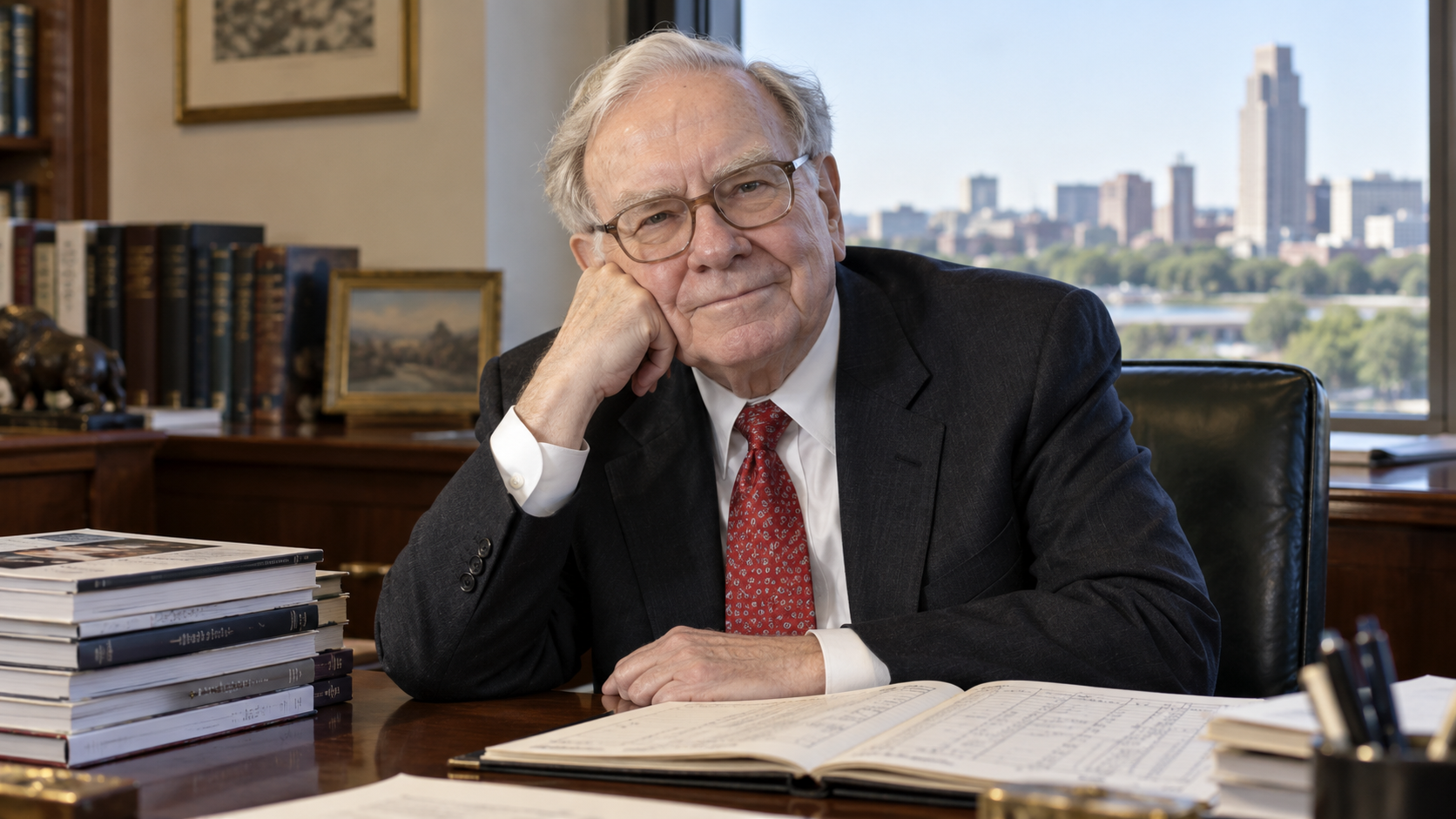
“After all, you only find out who is swimming naked when the tide goes out.”
Warren E. Buffett used this image in Berkshire Hathaway’s 2001 shareholder letter while reviewing strains in the insurance industry. The metaphor describes a recurring business pattern: favorable conditions can allow weak practices to remain hidden. Abundant credit, rising prices, rapid demand, or forgiving loss trends make many participants look competent. When conditions reverse, the support disappears and exposures that were always present become visible. The turning tide does not create every vulnerability; it reveals which organizations depended on circumstances they did not control.
That distinction matters because surface performance can be misleading. A highly leveraged company may report excellent returns while financing is cheap. An insurer may appear profitable before claims mature. A retailer can grow while promotions conceal weak customer loyalty. Managers who evaluate only recent results may mistake a temporary environment for durable advantage. Buffett’s metaphor encourages attention to balance sheets, incentives, contract terms, and cash requirements—the structures that determine whether performance can survive a less generous cycle.
The line is memorable, but it should not become a license for hindsight. After a downturn, observers can portray every failure as obvious and every survivor as wise. Some shocks are genuinely unusual, and even prudent organizations cannot eliminate uncertainty. Excessive caution also has costs: capital held against every imaginable event cannot be invested productively. The goal is not to predict the exact moment the tide will turn. It is to understand what assumptions the enterprise relies on and whether failure under plausible stress would be recoverable.
Leaders can apply the lesson before pressure arrives. They can test liquidity against falling revenue, examine whether counterparties share the same hidden risk, and ask which results depend on asset prices or refinancing. Incentives should reward resilience and honest loss recognition, not only expansion during good years. Boards can require clear explanations of leverage and concentration in ordinary language. Buffett’s sentence endures because cycles change the visibility of risk, not the need to manage it. A sound business is built so that difficult conditions produce hard choices rather than existential surprises. Scenario discussions are most useful when they identify actions and decision thresholds in advance. That preparation reduces the chance that fear, denial, or a scramble for cash will dictate the response. Warning signals also need owners with authority to act before the full downturn is visible.
Buffett used the metaphor in Berkshire Hathaway’s 2001 shareholder letter while discussing problems exposed in insurance markets.
He was emphasizing that benign conditions can make risky underwriting or financing appear healthier than it really is.
Stress reveals dependencies—leverage, pricing assumptions, delayed losses, or fragile funding—that recent performance may conceal.
Not every failure was predictable, and resilience should be balanced against the cost of becoming so cautious that a business cannot invest.
Rapid growth and easy capital can still reward organizations for taking risks that become visible only after conditions change.
Stress tests, transparent incentives, and recoverable downside help leaders prepare without pretending to forecast the next reversal exactly.
Explore more "Quotes of The Day"
Discover more notable quotes from influential voices across politics, science, business, technology, sports, and culture. Each quote offers insight into how ideas, beliefs, and decisions shape the world around us.