

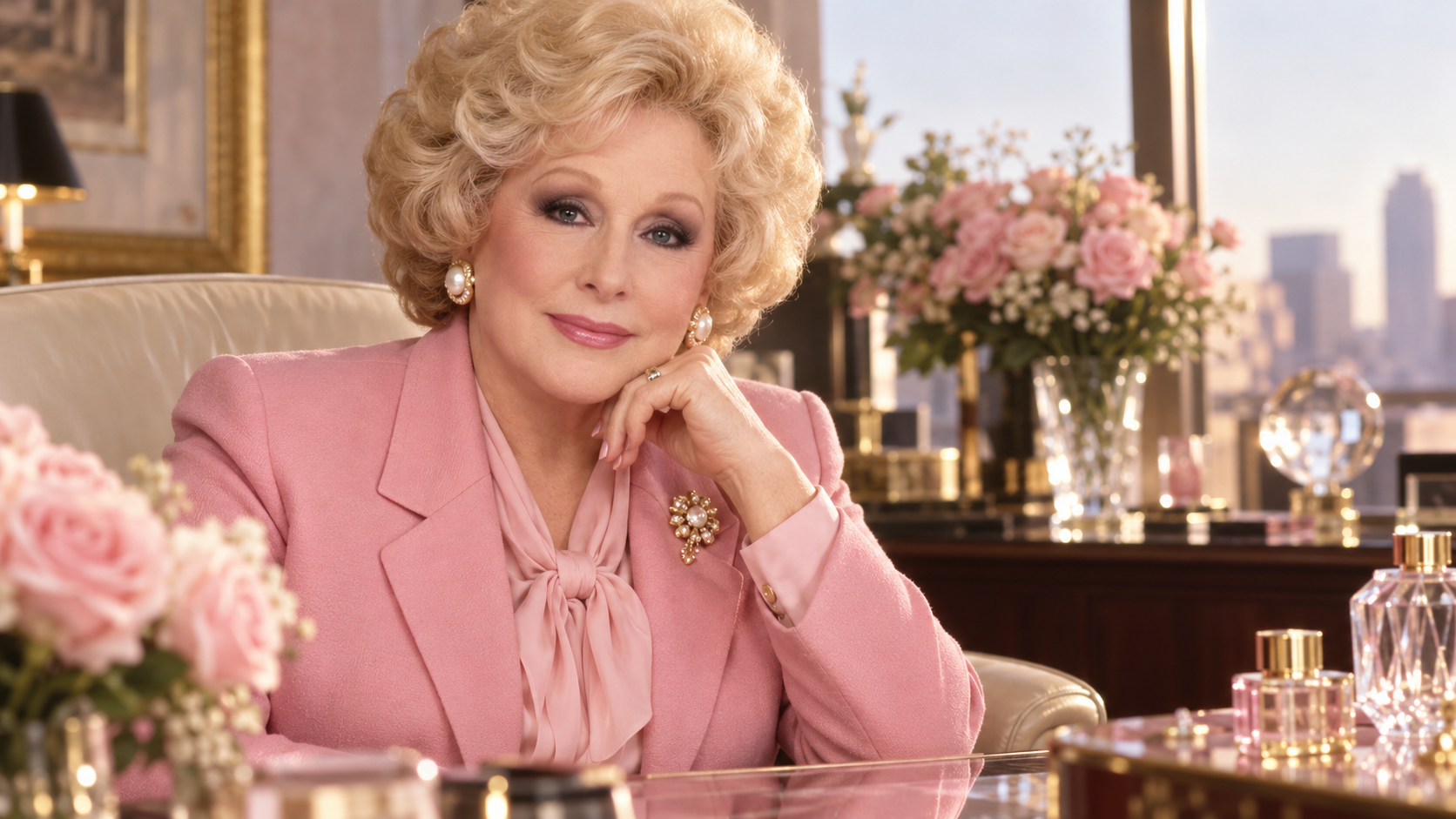
“Real leadership is being the person that others will gladly and confidently follow.”
Mary Kay Ash set out this standard in her 1984 book Mary Kay on People Management, written after two decades of building a cosmetics company around recognition, mentorship, and opportunity for women. The sentence shifts leadership away from title and control. A person may possess formal authority and still fail to create willing commitment. For Ash, confidence in a leader had to be earned through conduct that made people believe both in the direction and in the way they would be treated along the journey.
The two adverbs carry much of the meaning. “Gladly” suggests purpose, respect, and room for initiative rather than reluctant compliance. “Confidently” points to competence, consistency, and trust that the leader will not disappear when conditions become difficult. Together they describe a relationship tested over time. People observe whether credit is shared, mistakes are handled fairly, promises survive pressure, and standards apply to those at the top.
Willing followership is not a popularity contest. Leaders sometimes have to close projects, reject proposals, or deliver unwelcome facts. Employees can also follow charismatic figures whose judgment is poor. Ash’s test therefore needs evidence: clear objectives, sound decisions, honest feedback, and channels through which disagreement can reach authority. Confidence should grow from dependable practice, not image, fear, or personal loyalty detached from the organization’s purpose.
Today, distributed work and rapid organizational change make coercive supervision less effective. Teams often act without waiting for a manager, which means trust must travel farther than direct oversight. Leaders can earn it by explaining constraints, inviting expertise, admitting uncertainty, and matching recognition with accountability. Ash’s concise definition remains useful because it asks a behavioral question that a job title cannot answer: when people have room to choose, does this leader’s example make responsible action more likely?
Ash developed the principle in her people-management writing after building Mary Kay around recognition, mentorship, and the Golden Rule.
Her approach treated leadership as a relationship visible in everyday management rather than a privilege attached to rank.
Glad commitment requires respect; confident commitment requires competence and consistency.
Being willingly followed is not the same as being liked. Responsible leadership still includes hard decisions, evidence, and room for dissent.
Hybrid and specialized teams often operate beyond a manager’s direct observation, increasing the value of earned trust.
Leaders strengthen that trust when standards are clear, explanations are candid, and authority remains accountable to the people doing the work.
Explore more "Quotes of The Day"
Discover more notable quotes from influential voices across politics, science, business, technology, sports, and culture. Each quote offers insight into how ideas, beliefs, and decisions shape the world around us.