

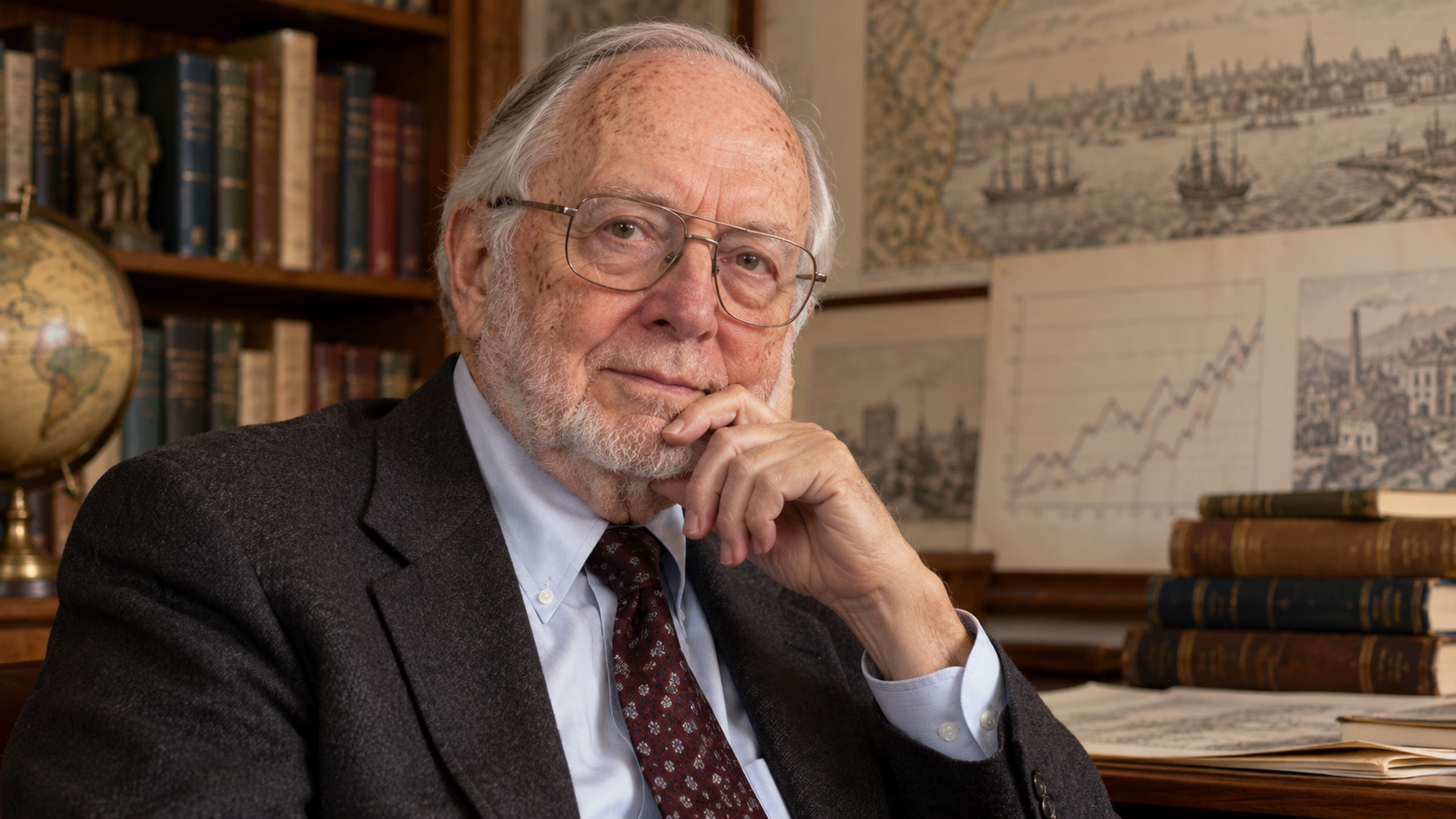
“Institutions form the incentive structure of a society.”
Douglass C. North made this statement in his 1993 Nobel Prize lecture on economic performance through time. By institutions, he meant the formal rules and informal norms that structure human interaction. Organizations and entrepreneurs operate inside those rules as players. The difference matters because weak outcomes cannot always be repaired by asking individuals to try harder; incentives, information, enforcement, and expectations may repeatedly push reasonable people toward the same unproductive choices.
For businesses, institutions include law, contracts, property rights, professional standards, workplace norms, and the internal systems that decide what gets rewarded. A company may announce collaboration while compensating departments for hoarding customers, or praise safety while promoting leaders who never slow production. Behavior then follows the credible incentive rather than the poster. Institutional analysis looks for the rules actually shaping choice.
North’s framework is not a claim that incentives explain everything or that people are mechanical. Beliefs, identities, learning, and culture influence how rules are interpreted. Institutions also evolve through politics and power, which means an arrangement can be stable without being fair or efficient. Leaders should therefore examine distribution: who writes the rule, who can challenge it, who bears enforcement, and whose learning changes the system.
The quotation is useful during transformation because new strategy often fails inside old incentives. Digital tools may speed a process without changing the approvals that create delay; a customer-first initiative may collide with quarterly sales pressure. North encourages leaders to treat structure as a cause. If the desired behavior remains rare, revise the rules, measures, authority, and feedback surrounding it. Sustainable improvement appears when doing the responsible thing is not heroic, but normal within the institution.
North’s Nobel lecture examined how formal rules, informal norms, organizations, and learning shape long-run economic performance.
He distinguished institutions—the rules—from organizations and entrepreneurs acting within them.
People respond to the rewards, information, enforcement, and expectations that are credible in practice.
Institutions can be persistent without being fair or efficient, so power, distribution, and the ability to challenge rules also matter.
Strategy often asks for new behavior while leaving old incentives, approvals, and measures intact.
Institutional thinking directs leaders to redesign the surrounding system so responsible action becomes normal rather than exceptional. It also asks who benefits from existing rules, who bears their costs, and which feedback can correct them.
Explore more "Quotes of The Day"
Discover more notable quotes from influential voices across politics, science, business, technology, sports, and culture. Each quote offers insight into how ideas, beliefs, and decisions shape the world around us.