

“Business is about how customers, suppliers, employees, financiers, communities, and managers interact and create value.”
R. Edward Freeman wrote this formulation while explaining stakeholder theory, an approach he helped establish in strategic management. Instead of describing a firm as a machine that converts investor capital into profit, he starts with relationships among the people and groups required for the enterprise to work. Customers, suppliers, employees, financiers, communities, and managers are not competing footnotes to the business. Their cooperation is the business. The sentence reframes strategy around joint value creation and challenges leaders to understand how one decision changes the willingness or capacity of several stakeholders to keep participating.
The practical strength of the view is its attention to interdependence. A lower supplier price may look efficient until it erodes quality or resilience. A demanding customer promise may increase sales while making work unsafe or impossible to deliver. Conversely, better employee knowledge can improve products, stronger suppliers can accelerate innovation, and trusted community relationships can reduce friction around growth. Managers need not give every interest identical weight. They need to see the system, surface conflicts honestly, and search for arrangements that expand value rather than assuming every gain must be taken from someone else.
Stakeholder language can become vague if it avoids accountability. A company cannot satisfy every request, and managers still make choices under scarcity. The theory is not permission to announce that everyone matters while disclosing no priorities or results. Freeman’s work emphasizes that stakeholder interests are connected and that values are inseparable from business decisions. Leaders should therefore explain which obligations are fundamental, where tradeoffs remain, who was consulted, and how affected groups can challenge the decision. Purpose gains credibility through governance, measures, and remedy rather than through an inclusive list in a report.
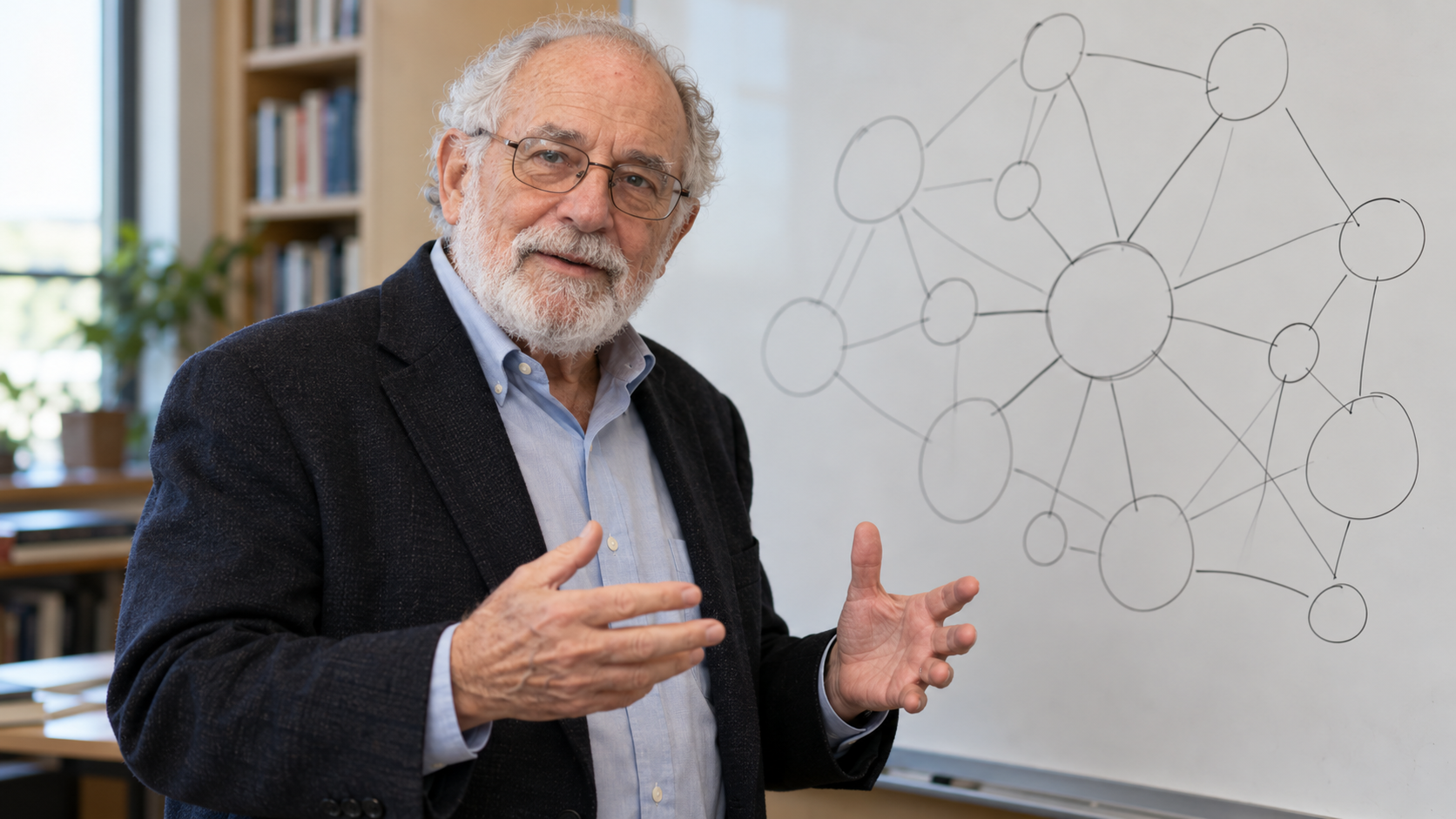
The idea is especially relevant to platforms, global supply chains, and artificial intelligence, where value and risk travel across organizational boundaries. Product teams can map who supplies data, who performs hidden labor, who receives the benefit, and who carries errors. Procurement can evaluate resilience and working conditions alongside unit cost. Boards can review customer, employee, supplier, community, and investor outcomes as linked drivers instead of isolated programs. Freeman’s sentence offers a demanding definition of management: sustain the relationships through which people voluntarily combine their resources, and create enough shared value that the network remains worth belonging to. A stakeholder map becomes useful when it records exchanges rather than names. For each group, teams can note what the business receives, what it provides, where trust is weakening, and which metric captures only part of the relationship. Reviewing the connections together reveals when an apparent saving in one area creates a larger cost elsewhere, giving managers a practical basis for redesign rather than symbolic consultation.
Freeman used the formulation in work developing stakeholder capitalism and managing for stakeholders.
It builds on his influential account of the firm as a set of relationships among groups essential to its success.
Strategy should examine how value is created across connected stakeholders rather than treating all non-investor interests as constraints.
The approach still requires priorities, transparent tradeoffs, governance, and evidence; inclusion cannot remain rhetorical.
Platforms, supply chains, and AI distribute benefits and harms far beyond a company’s legal boundary.
Mapping those relationships helps leaders improve resilience, legitimacy, innovation, and the durability of financial returns.
Explore more "Quotes of The Day"
Discover more notable quotes from influential voices across politics, science, business, technology, sports, and culture. Each quote offers insight into how ideas, beliefs, and decisions shape the world around us.