

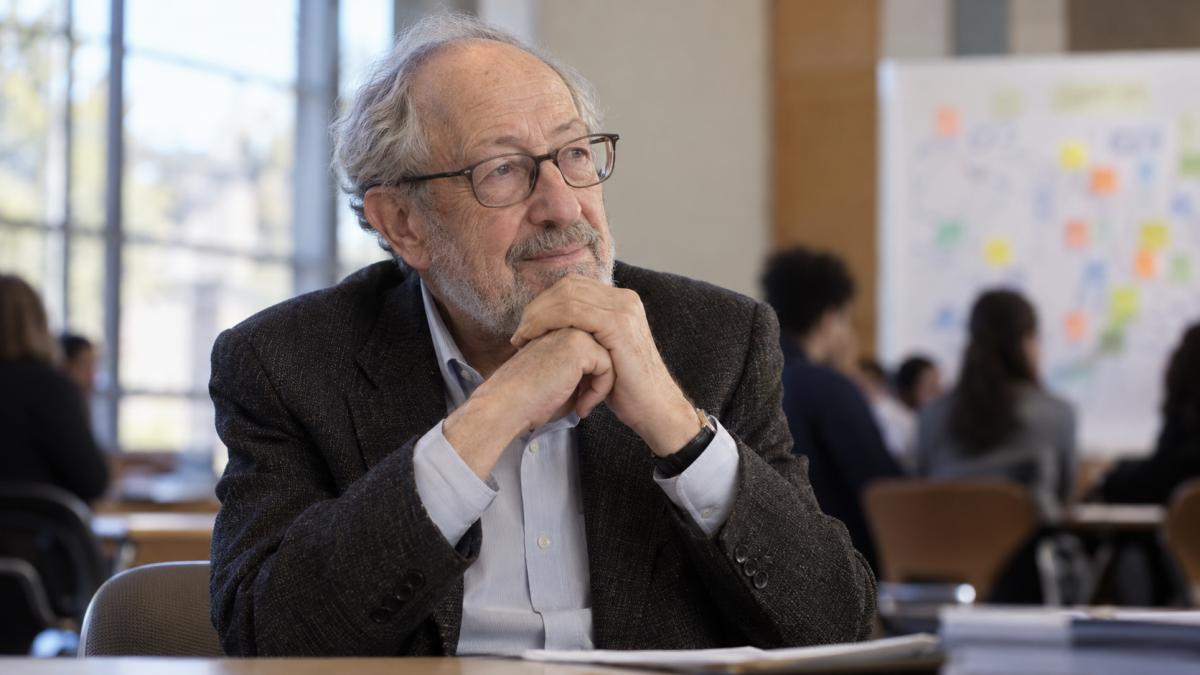
“The only thing of real importance that leaders do is to create and manage culture.”
Edgar Schein made this claim in his work on organizational culture and leadership. He described culture not as office atmosphere or a list of values, but as shared assumptions a group learned while solving problems of external adaptation and internal integration. When those assumptions repeatedly seem to work, newcomers are taught to perceive and respond through them. Leaders matter because their attention, reactions, rewards, and choices shape what becomes normal. Culture is therefore created through the practical lessons people draw from consequential moments, especially when pressure reveals which principles truly govern.
The statement directs attention away from slogans and toward mechanisms. Employees watch what leaders measure, whom they promote, what behavior earns resources, and how they respond to bad news. A chief executive who praises experimentation but punishes every failed test teaches caution. A manager who invites dissent and changes a decision after receiving evidence teaches that speaking up has value. Stories, rituals, hiring, onboarding, and systems reinforce these lessons. Managing culture means aligning repeated signals so that the assumptions supporting the organization’s work become clear and credible.
Schein did not suggest that leaders can design culture like a logo. Existing groups contain histories, professions, subcultures, and informal authority that resist simple control. Culture can also protect practices that once worked but no longer fit the environment. Leaders who declare a new culture without learning the current one may create cynicism or destroy useful identity. Diagnosis requires observation, interviews, and humility about the difference between stated values and underlying assumptions. Change succeeds when a group learns a more effective way together, not when executives merely rename expectations.
Hybrid work, mergers, rapid growth, and AI adoption make the idea operationally urgent. Each changes how people coordinate, ask for help, interpret status, and decide what risk is acceptable. Leaders can identify critical moments—an incident review, a customer complaint, a promotion, a missed target—and examine what lesson the organization learned from their response. They can preserve psychological safety while keeping standards high and can make accountability predictable rather than personal. Schein’s quote endures because leadership leaves a cultural residue: after the speech is forgotten, people remember what happened when the values became expensive. New leaders can learn the culture by examining three recent surprises: a failure, a promotion, and a customer crisis. Who received information, what behavior gained status, and which tradeoff ended the debate? Comparing those episodes with written values exposes the assumptions that employees reasonably infer. Repair begins when leaders alter the next visible decision and explain why, allowing a different shared lesson to form through experience.
Schein developed the claim in his foundational work on organizational culture and leadership beginning in the 1980s.
He defined culture as shared assumptions learned through a group’s experience of adaptation and integration.
Leaders shape culture through attention, rewards, reactions, staffing, systems, and behavior under pressure.
Culture cannot simply be announced; existing assumptions must be understood and new practices learned through credible experience.
Growth, hybrid work, mergers, and AI alter daily signals about status, voice, risk, and collaboration.
Examining consequential moments reveals the culture employees are actually learning and whether it supports the work.
Explore more "Quotes of The Day"
Discover more notable quotes from influential voices across politics, science, business, technology, sports, and culture. Each quote offers insight into how ideas, beliefs, and decisions shape the world around us.