

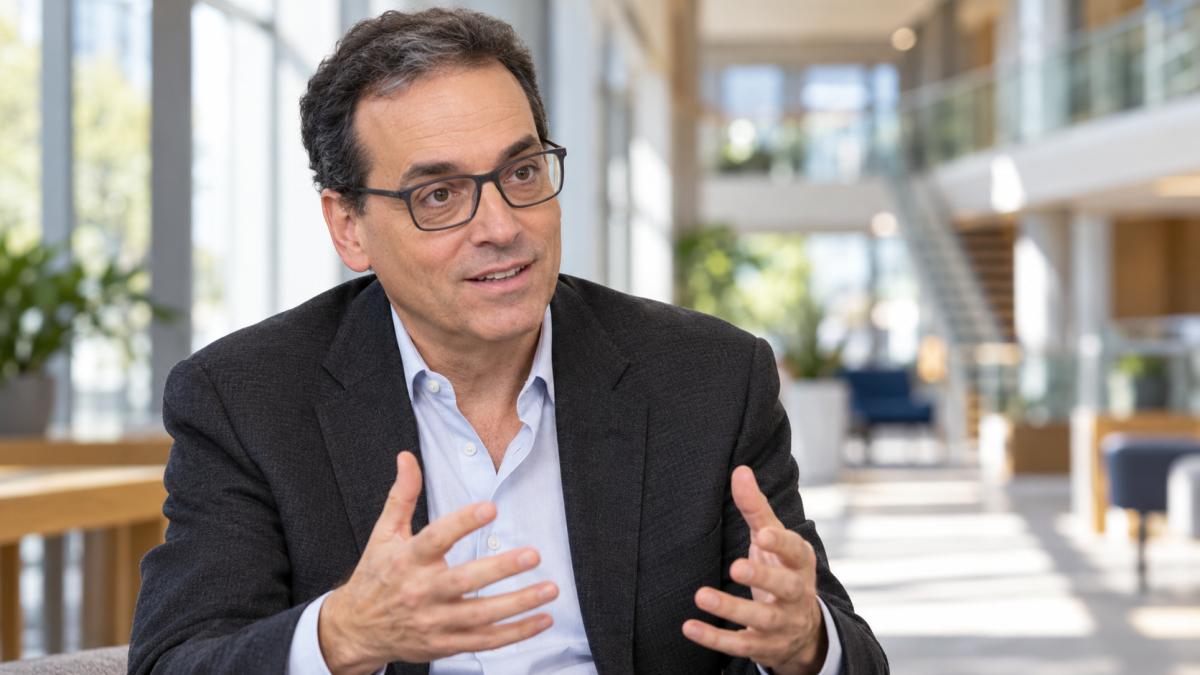
“Control leads to compliance; autonomy leads to engagement.”
Daniel H. Pink draws this distinction in Drive, his 2009 synthesis of research on motivation. External rewards and close control can direct behavior, especially for routine work with a clear procedure. They are less reliable when a task requires judgment, creativity, or sustained learning. Pink emphasizes autonomy, mastery, and purpose as conditions that support intrinsic motivation. Compliance produces the minimum behavior necessary to satisfy a rule or gain a reward. Engagement brings attention, initiative, and personal investment—qualities organizations increasingly need when employees must solve problems that cannot be fully specified in advance.
Autonomy does not mean absence of goals or accountability. It can involve meaningful choice over task, time, technique, or team within a clear mission and agreed constraints. Managers define outcomes, make relevant information available, and create feedback, while employees have room to decide how best to proceed. Different roles permit different degrees of discretion, and safety-critical work may require exact procedures. Even there, people can often contribute to improving the standard, report abnormal conditions, and understand why the rule exists rather than being treated as interchangeable hands.
The claim should not be turned into a universal promise that freedom automatically yields motivation. Poorly defined work can make autonomy feel like abandonment. Unequal access to information, hidden decision rights, and constant workload can leave employees nominally empowered but unable to succeed. Some people also value structure and coordination differently. Responsible autonomy is supported: priorities are stable, boundaries are visible, skills are developed, and assistance is easy to obtain. Leaders remain answerable for the system instead of delegating responsibility without authority or resources.
Hybrid work and AI make the distinction concrete. Surveillance software may produce visible activity while weakening trust and encouraging workers to optimize the monitor. A better model evaluates agreed outcomes, protects focus, and gives teams influence over how tools enter their workflow. Leaders can examine where approval adds safety and where it merely signals status. Pink’s sentence asks what kind of behavior the management system is designed to produce. If the organization needs judgment and improvement, it must give people enough agency to make those qualities possible. Managers can map a decision by reversibility and consequence. Reversible, low-risk choices can move closer to the person with the best information, while irreversible or safety-critical commitments receive broader review. This avoids treating autonomy as one uniform setting. It also reveals approval steps that survive from habit rather than risk, creating a measured way to expand agency without pretending that every decision deserves the same governance.
Pink developed the contrast in Drive, his 2009 account of autonomy, mastery, and purpose in motivation.
He drew on research showing limits to controlling rewards for complex, creative, and knowledge-intensive work.
Supported autonomy gives meaningful discretion inside clear outcomes, constraints, information, and feedback.
It is not abandonment, unlimited freedom, or the removal of exact procedures where safety genuinely requires them.
Digital surveillance can optimize visible activity while undermining trust, learning, and responsible judgment.
Outcome-based accountability and employee influence over tools better match work that depends on initiative and improvement.
Explore more "Quotes of The Day"
Discover more notable quotes from influential voices across politics, science, business, technology, sports, and culture. Each quote offers insight into how ideas, beliefs, and decisions shape the world around us.