

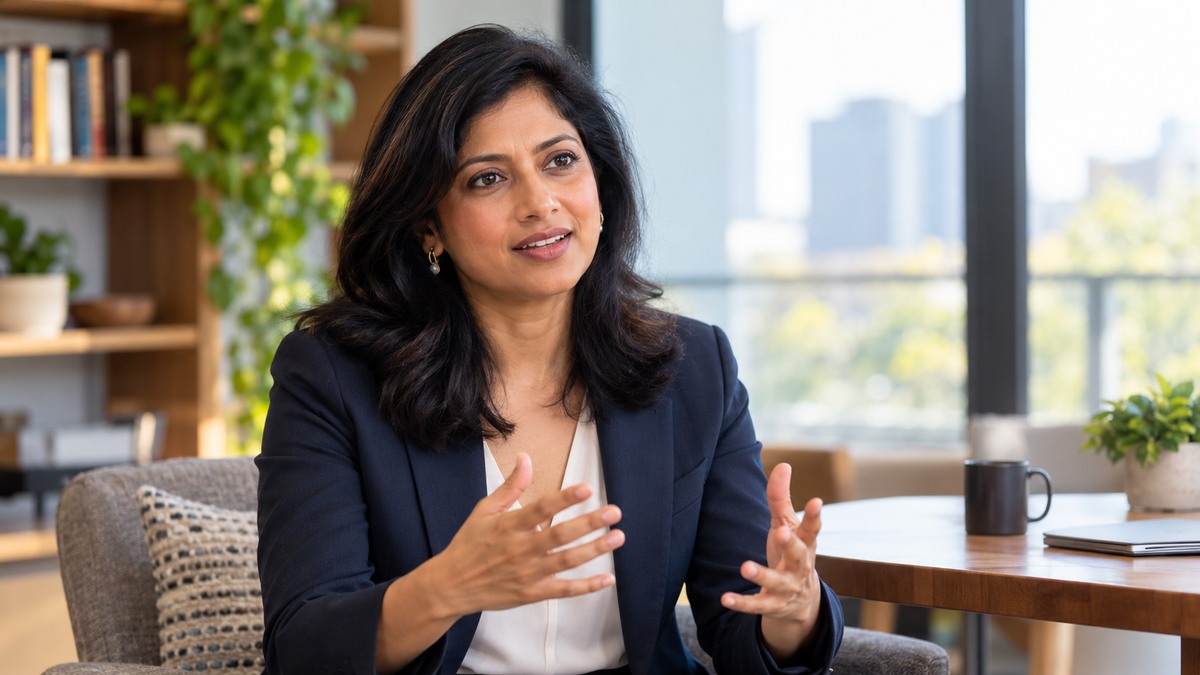
“Negotiation is not about dominating. It is about crafting a relationship.”
Organizational psychologist Ruchi Sinha stated this in a 2021 TED talk about workplace negotiation. She compared negotiation to a dance and emphasized preparation, emotional distance, and understanding the pressures and needs on the other side. The quote reframes an ask from combat into joint problem solving. Good preparation clarifies aspiration, acceptable alternatives, evidence, and the effects of a proposed agreement, allowing assertiveness without treating the other person as an obstacle. Its practical value lies in making a familiar management habit visible enough to question. This separates a durable practice from a phrase repeated after the important choices have already been made.
Before negotiating, teams can research a fair range, define a walk-away point, and list interests rather than fixed positions. During the conversation they should ask why, listen for constraints, and explore exchanges that create value for both sides. A small test can reveal more than a broad declaration when the baseline and decision rule are clear. The experiment should be small enough to reverse but real enough to expose behavior, cost, and response.
Relationship language should not pressure someone to accept an unfair outcome or conceal a power imbalance. Workers, small suppliers, and customers may lack credible alternatives. Ethical negotiation includes truthful information, time to decide, and respect for protected rights. The organization should also ask who benefits, who carries uncertainty, and who can appeal. Leaders should state the tradeoff in ordinary language so colleagues can challenge it before commitment grows.
Distributed partnerships and cross-functional work require repeated negotiation over resources and priorities. Sinha’s approach helps preserve the relationship while making disagreement explicit enough to solve. Prepare one upcoming negotiation on a single page: desired outcome, evidence, alternatives, the other party’s likely interests, and three questions. Afterward, compare assumptions with what you learned and revise the next offer. Learning compounds when those answers remain available after the project, leader, or market moment has changed. That record makes it easier to transfer useful learning without pretending a result will repeat under every condition. Before scaling, the owner should explain the decision in language that the people carrying the consequences can understand and challenge. That explanation should include remaining uncertainty, not only expected upside. A credible appeal path lets new evidence reach the decision quickly. These habits convert trust from a communications objective into a property of the operating process itself. The responsible leader should preserve dissent and explain how new evidence affected the choice.
Organizational psychologist Ruchi Sinha stated this in a 2021 TED talk about workplace negotiation. She compared negotiation to a dance and emphasized preparation, emotional distance, and understanding the pressures and needs on the other side.
The quote reframes an ask from combat into joint problem solving. Good preparation clarifies aspiration, acceptable alternatives, evidence, and the effects of a proposed agreement, allowing assertiveness without treating the other person as an obstacle.
Before negotiating, teams can research a fair range, define a walk-away point, and list interests rather than fixed positions. During the conversation they should ask why, listen for constraints, and explore exchanges that create value for both sides.
Relationship language should not pressure someone to accept an unfair outcome or conceal a power imbalance. Workers, small suppliers, and customers may lack credible alternatives. Ethical negotiation includes truthful information, time to decide, and respect for protected rights.
Distributed partnerships and cross-functional work require repeated negotiation over resources and priorities. Sinha’s approach helps preserve the relationship while making disagreement explicit enough to solve.
Prepare one upcoming negotiation on a single page: desired outcome, evidence, alternatives, the other party’s likely interests, and three questions. Afterward, compare assumptions with what you learned and revise the next offer.
Explore more "Quotes of The Day"
Discover more notable quotes from influential voices across politics, science, business, technology, sports, and culture. Each quote offers insight into how ideas, beliefs, and decisions shape the world around us.