

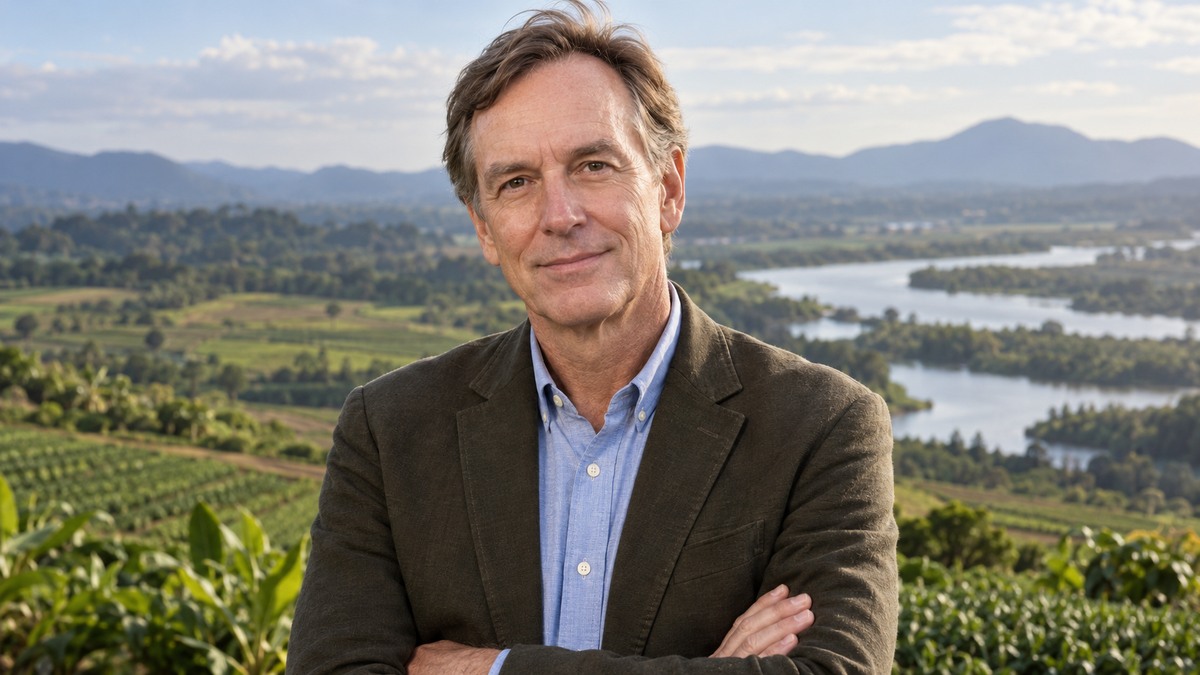
“We have to freeze the footprint of food.”
Conservation strategist Jason Clay delivered this message in a 2010 TEDGlobal talk about biodiversity and global commodity markets. He argued that a relatively small number of major companies could shift production practices because their purchasing reaches deeply into supply chains. The quotation defines a hard constraint: growing demand cannot justify endless expansion into ecosystems. Productivity, waste reduction, sourcing standards, and changes in consumption must work together so business growth is separated from further habitat loss. The enduring management question is which decision the idea changes and what evidence would show that the interpretation is wrong. The point is to make judgment observable without reducing a complicated human system to one convenient number.
Large buyers can map high-impact commodities, set science-based standards, support producers through the transition, and collaborate on common requirements. Procurement data and independent verification should connect promises to farms, fisheries, and landscapes. A useful principle should improve a choice before it becomes a retrospective slogan. Qualitative evidence, operational data, and direct experience should be considered together before expansion.
Concentrating influence in big brands can exclude small producers or impose costs they cannot finance. Standards must be locally informed, protect rights, and share investment and price risk. Certification alone cannot substitute for enforcement and traceability. That requires attention to incentives, affected people, and the conditions under which the idea stops applying. This prevents the loudest advocate or most polished presentation from defining reality for everyone else.
Food, materials, and climate strategies increasingly depend on land use and nature. Clay’s line remains a useful operating boundary because it converts broad sustainability language into a measurable question about total footprint. Choose one priority commodity and establish a baseline for land, water, emissions, and producer income. Identify the largest leakage in current sourcing, co-fund a remedy with suppliers, and publish both progress and unresolved risk. Recording the decision and its limits gives future teams knowledge they can inspect rather than a success story they are asked to repeat. Scaling should follow demonstrated value and clear safeguards, with enough flexibility to pause when new evidence changes the balance. If the practice affects partners or communities outside the company, their evidence should enter the review without being filtered entirely through the project sponsor. Direct feedback, independent measurement, and transparent remedies make external impact visible. They also reveal whether a gain recorded inside the business depends on unpaid effort, increased risk, or reduced choice elsewhere in the value chain. The owner should return with evidence and a recommendation at the agreed review date.
Conservation strategist Jason Clay delivered this message in a 2010 TEDGlobal talk about biodiversity and global commodity markets. He argued that a relatively small number of major companies could shift production practices because their purchasing reaches deeply into supply chains.
The quotation defines a hard constraint: growing demand cannot justify endless expansion into ecosystems. Productivity, waste reduction, sourcing standards, and changes in consumption must work together so business growth is separated from further habitat loss.
Large buyers can map high-impact commodities, set science-based standards, support producers through the transition, and collaborate on common requirements. Procurement data and independent verification should connect promises to farms, fisheries, and landscapes.
Concentrating influence in big brands can exclude small producers or impose costs they cannot finance. Standards must be locally informed, protect rights, and share investment and price risk. Certification alone cannot substitute for enforcement and traceability.
Food, materials, and climate strategies increasingly depend on land use and nature. Clay’s line remains a useful operating boundary because it converts broad sustainability language into a measurable question about total footprint.
Choose one priority commodity and establish a baseline for land, water, emissions, and producer income. Identify the largest leakage in current sourcing, co-fund a remedy with suppliers, and publish both progress and unresolved risk.
Explore more "Quotes of The Day"
Discover more notable quotes from influential voices across politics, science, business, technology, sports, and culture. Each quote offers insight into how ideas, beliefs, and decisions shape the world around us.