

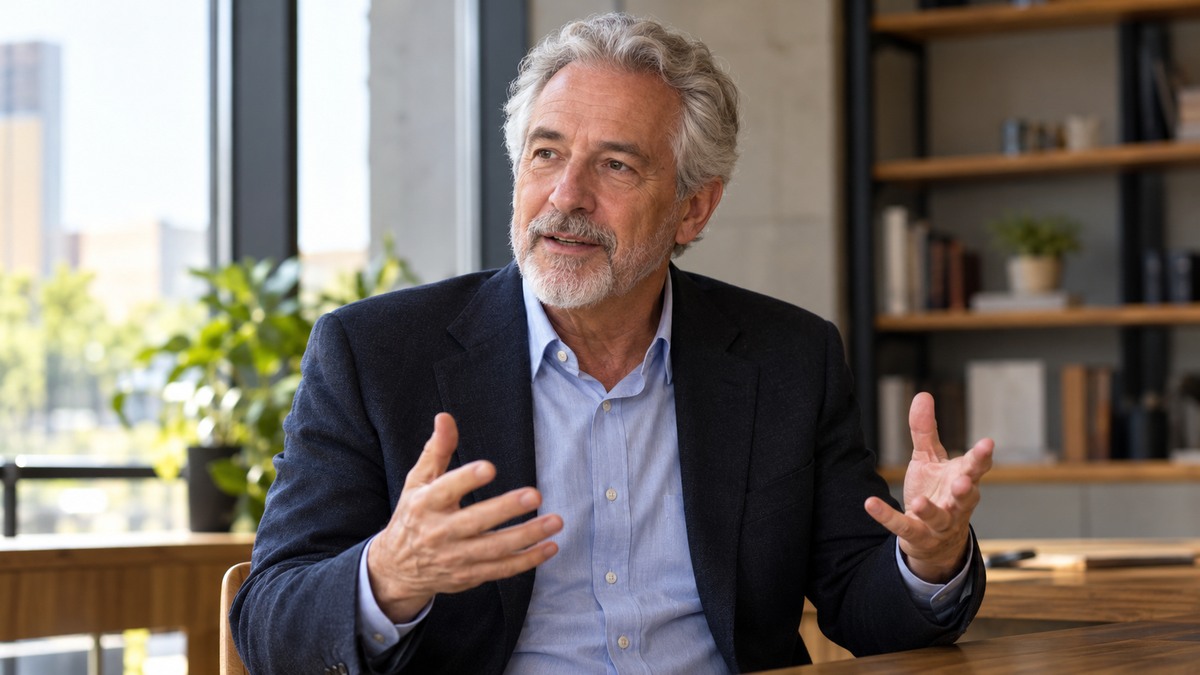
“Purpose is not the same as mission or vision.”
Strategist Ashley M. Grice drew this distinction in her 2022 TED@BCG talk on purpose in business. She described purpose as an enduring reason a company matters, capable of guiding decisions across leadership changes and connecting the boardroom with everyday work. Mission and vision may describe what an organization does and where it wants to go. Purpose explains the durable human or societal value behind those choices, giving leaders a standard for deciding which opportunities fit and which attractive options should be refused. Business relevance appears when the thought changes the allocation of time, resources, attention, or decision rights. Managers should describe the causal chain they expect: the action, the immediate response, and the outcome worth improving.
A company can test its purpose against strategy, investment, product, culture, and incentives. Employees at different levels should be able to name a recent decision that changed because of it, and customers should encounter supporting evidence rather than a slogan. The next step should be specific enough that another person can observe whether it occurred. A review date protects the idea from drifting into a permanent initiative that nobody can evaluate or end.
Purpose can become reputation management when claims are broad enough to fit any action. It must not override legal duties or substitute for measurable goals. Contradictions should be disclosed, and governance must allow challenge when conduct diverges from the statement. Good governance keeps dissent and correction available, especially for people closest to the consequences. It should include the strongest credible objection, not only evidence most favorable to the proposal.
Employees and customers increasingly compare corporate language with visible choices. Grice’s distinction is valuable because it makes purpose useful only when it constrains behavior and clarifies tradeoffs over time. Take the current purpose statement and review three recent investments and three rejected opportunities. If it did not influence those choices, rewrite the statement or change the decision process, then publish one measurable commitment it now governs. The final measure is whether the practice creates durable value without hiding costs elsewhere in the system. That habit strengthens trust because people can see that learning, not defending the original author, is the purpose of measurement. The final test is whether the lesson improves judgment after the speaker’s words are no longer fresh. A useful principle leaves behind a clearer decision rule, better information, and an owner who knows when to intervene. If it only produces temporary enthusiasm, the team should treat that as evidence too, simplify the practice, and invest attention where behavior and results can genuinely change. The team should revisit the decision after novelty fades and ordinary operating pressure returns.
Social-impact investor Warren Valdmanis made this case in a 2021 TED@BCG talk about what makes a job good. He argued that wages matter alongside stability, mobility, dignity, voice, and the conditions for excellent work.
The quote challenges the habit of treating labor only as a cost to minimize. Capable, motivated, stable employees can improve service, reduce turnover, solve problems, and create customer value that a cheaper system may destroy.
Companies can examine pay, scheduling, staffing, training, promotion, and decision authority together. Operational simplification can raise productivity while giving employees the capacity and trust to serve customers well.
Investment claims require evidence and worker voice. Training without advancement, bonuses without stable hours, or empowerment without staffing may simply transfer risk while preserving the language of a good job.
Persistent labor shortages and service failures show the limits of cost-only workforce strategy. Valdmanis’s idea matters because job quality and operating quality are often produced by the same design choices.
Map one frontline role’s pay, schedule, turnover, task complexity, and authority. Ask workers which change would improve both service and stability, test it with a financial model, and review who captures the gains.
Explore more "Quotes of The Day"
Discover more notable quotes from influential voices across politics, science, business, technology, sports, and culture. Each quote offers insight into how ideas, beliefs, and decisions shape the world around us.