

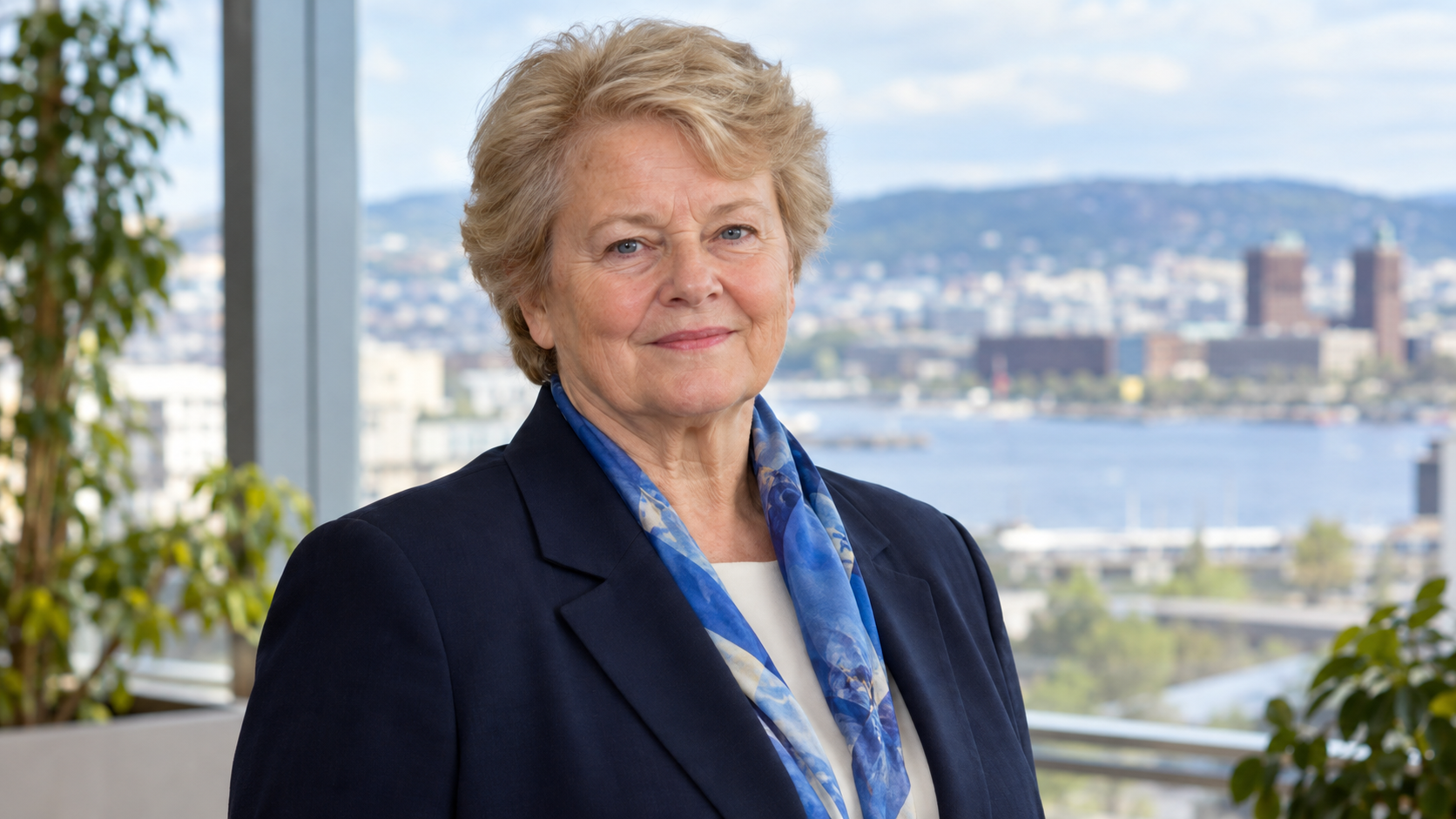
“There can be no real growth without healthy populations.”
Gro Harlem Brundtland delivered this message in her June 12, 2003 address to the Seventh Conference of European Health Ministers in Oslo. Speaking as Director-General of the World Health Organization, she linked health, dignity, and human rights with the responsibilities of public institutions. Near the end of the speech, she widened the discussion beyond Europe and urged attention to the interdependence of countries. The quotation begins a series of closing statements connecting health with development, security, and human dignity. Its meaning reaches beyond the claim that healthier workers may produce more. In the full address, Brundtland asks who benefits from health spending, how costs are shared, and how people are treated when they seek services. Progress measured only through an aggregate economic figure cannot fully answer those questions. The health of a population concerns the conditions under which people actually live.
Brundtland’s career brought together medicine, government, and environmental policy. A physician with public-health training, she served as Norway’s first woman prime minister and chaired the commission associated with the 1987 report Our Common Future. She later led WHO from 1998 to 2003. That combination helps explain the breadth of this observation. Health belongs within discussions of development because the ability to learn, work, care for others, and participate in community life depends partly on the conditions that protect well-being. The speech explicitly includes safe water, sanitation, food, and working environments within its account of health. It also warns that national averages can conceal groups whose needs are overlooked. The quotation therefore invites a closer question than whether a country appears to be prospering: which people are gaining the practical means to live well, and which people remain outside that apparent progress?
A hypothetical town makes the distinction easier to see. A new business district might increase local revenue while some neighborhoods still lack dependable transport to clinics or safe places for children to play. Those circumstances suggest different kinds of progress, and they require different measures to understand. The quotation offers a reason to examine them together rather than treating health as a benefit that will automatically arrive later. It also cautions against valuing people solely for their contribution to economic output. Children, older residents, people with disabilities, and those unable to work still possess an equal claim to dignity. Brundtland’s closing message is strongest when read alongside that wider concern. Development becomes meaningful when it expands the conditions for human flourishing, including for those whose needs are easiest to overlook. Health is part of what progress is meant to achieve, as well as part of what makes sustained progress possible.
Gro Harlem Brundtland is a physician and former Norwegian prime minister. She led the World Health Organization from 1998 to 2003.
Her work also helped place sustainable development on the international agenda. This quotation comes from her 2003 address to European health ministers.
The Oslo speech links health with dignity and human rights. Its closing remarks connect healthy populations with development and international cooperation.
Earlier passages ask who benefits from health services and how their costs are shared. Those questions give the economic language a wider human purpose.
Economic indicators can obscure unequal access to the conditions that protect well-being. Looking at who benefits makes progress easier to assess.
Health also matters for people who cannot participate in paid work. The quotation’s full context keeps dignity central to the meaning of development.
Explore more "Quotes of The Day"
Discover more notable quotes from influential voices across politics, science, business, technology, sports, and culture. Each quote offers insight into how ideas, beliefs, and decisions shape the world around us.