

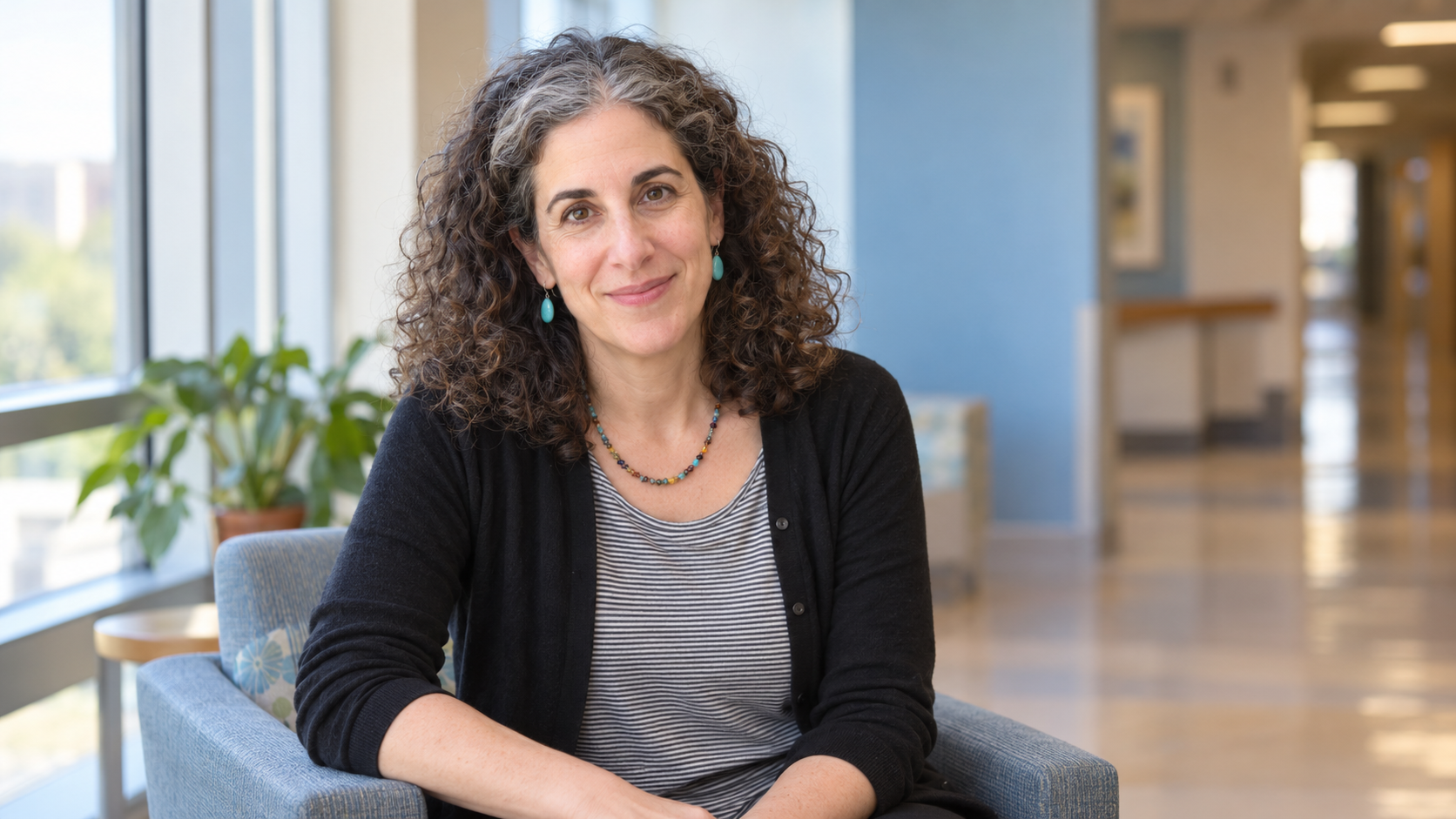
“What the patient tells us is the most important data for forming our diagnosis.”
Danielle Ofri made this observation while speaking at the University of Central Florida College of Medicine’s Humanism in Medicine Grand Rounds on December 15, 2017. The university’s account, published three days later, describes a physician urging her audience to attend closely to what patients actually say. Her subject was the conversation between people seeking care and the professionals trying to understand their illness. Ofri, an internist and writer associated with Bellevue Hospital, treats that exchange as a source of knowledge as well as a human relationship. The quotation places a patient’s experience inside the work of diagnosis: the story provides evidence about symptoms, circumstances and worries that a test result alone cannot supply. It also establishes a practical obligation. Before clinicians can decide which details require examination or investigation, they need to hear those details without allowing a familiar label to settle the question prematurely.
The word data is striking because it gives ordinary speech a place beside the measurements medicine routinely values. A description of when discomfort began, what has changed, or why someone finally sought help can shape the next question. Ofri developed a similar argument in a December 2020 interview with Dialogue, the publication of the College of Physicians and Surgeons of Ontario. There she discussed how doctors organize information into clinical categories while patients arrive with experiences unfolding over time. Those approaches can serve one another, but they can also drift apart. A listener may concentrate on sorting symptoms and miss the concern motivating the visit. Careful listening therefore involves more than staying silent: it requires following the account, noticing uncertainty and checking whether the clinician’s understanding matches the patient’s meaning. None of this makes a narrative infallible or removes the need for other evidence.
For a reader outside medicine, the quotation connects participation in care with the knowledge a patient brings. The person experiencing a problem possesses information others cannot observe directly, including its effect on sleep, work, relationships or daily routines. Making room for that account can reveal the person’s central concern and what remains unclear. At the same time, responsibility for a productive conversation should not fall entirely on someone who is frightened, tired or struggling to find words. The professional must create opportunities to speak and ask respectful questions when the account is difficult to follow. Ofri’s statement concerns the value of that exchange, rather than a promise that attentive conversation will always produce an immediate answer. Its enduring challenge is to prevent the search for a diagnosis from overlooking the individual whose experience first made that search necessary.
UCF reported the quotation after Ofri’s December 15, 2017 Humanism in Medicine Grand Rounds presentation. The December 18 account emphasizes listening and the clinical value of patients’ stories.
The year identifies the documented speaking occasion. May 6 is this series’ calendar position, rather than an anniversary of the lecture.
Symptoms have a sequence and a setting. A person’s explanation can establish when something changed and how it affects everyday life, helping a clinician decide what to investigate.
The quotation gives that information weight within diagnosis. It does not suggest accepting every interpretation as a final clinical conclusion or dispensing with examinations and tests.
Ofri’s CPSO interview describes a mismatch between organizing symptoms into categories and following the story a patient wants to tell. Distraction or premature assumptions can widen that gap.
Clarifying questions and a shared account of the concern can help the conversation move forward. The point is reciprocal understanding, with clinicians responsible for making space for someone seeking care.
Explore more "Quotes of The Day"
Discover more notable quotes from influential voices across politics, science, business, technology, sports, and culture. Each quote offers insight into how ideas, beliefs, and decisions shape the world around us.