

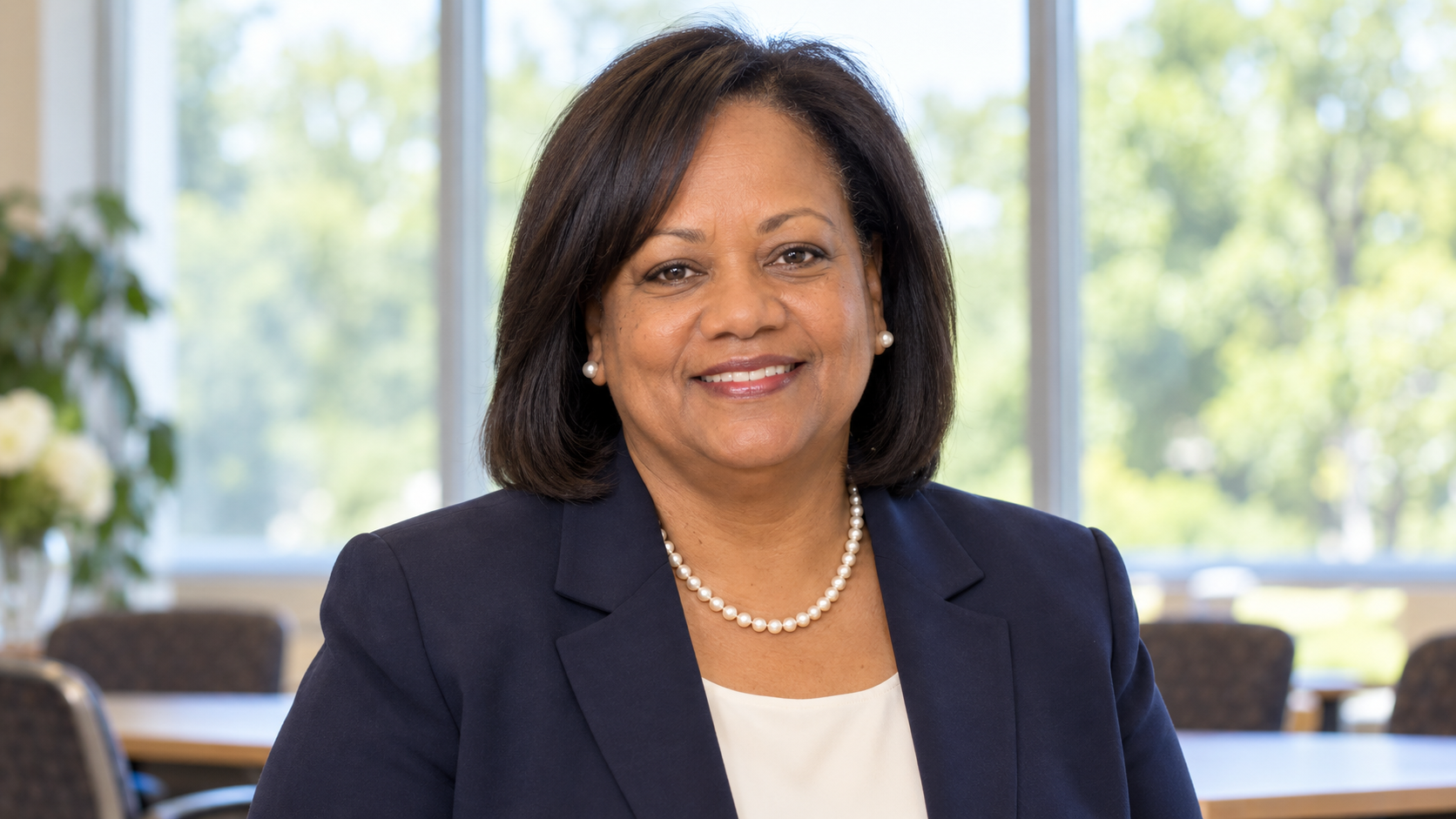
“Health occurs where we live, where we learn, where we work, where we play and where we pray.”
Regina Benjamin used this sentence in January 2012 while addressing a North American Division health summit in Orlando as U.S. surgeon general. The event’s own news account records her emphasis on a broad approach to well-being and prevention. She returned to the same wording at the Rapides Foundation’s 2020 symposium, where the discussion again connected health with everyday conditions. The repetition gives the quote a clear place in her public-health message. Hospitals and medical offices matter, but much of a person’s life happens beyond their walls. The sentence draws attention to those other settings without claiming that they can replace treatment. It invites a wider view of what support for health can look like, including the people and institutions that shape a routine day long before anyone seeks a medical appointment or recognizes a problem that needs care.
The sequence of places helps turn an abstract goal into questions people can discuss together. At a school, does a student have an understandable way to ask for help? In a workplace, can someone attend an appointment without losing the income needed for rent? In a neighborhood, can a person reach a shared space without a difficult or costly journey? These examples are reflections prompted by the quote, not claims about programs Benjamin described at that summit. They show how an apparently personal choice may depend on arrangements made by others. A health message can ask people to act, yet its practical value also depends on whether the requested action is possible. Looking at that possibility makes prevention a matter of design and cooperation as well as individual effort. It gives local institutions a reason to examine ordinary rules that may have become familiar enough to escape attention.
Benjamin’s final reference to prayer reflects the faith-based setting of the 2012 speech, while the larger principle can include communities formed through many different beliefs and activities. Shared places may offer companionship, information or a connection to further assistance. Their value depends on welcoming people and recognizing when professional help is needed. A supportive environment cannot promise that nobody will become ill, and a healthy routine cannot make someone responsible for every outcome. The quote instead encourages people to consider where help is present and where it is missing. One useful response is to choose a single setting and ask what practical obstacle could be reduced there. The answer might involve clearer communication, a more accessible meeting time or a dependable route to services. Progress becomes easier to assess when the proposed improvement is specific. In that sense, the sentence offers communities a starting point: make the places people already inhabit more capable of supporting their health.
A prevention goal becomes more concrete when it is connected to a place and an ordinary routine. Ask what makes a helpful action possible in that setting.
Small changes in access or communication may make a service easier to use. Their value should be assessed with the people expected to benefit.
Schedules, costs and transport can shape whether a person can follow a recommendation. Describing those conditions gives a fuller picture of the decision.
A workplace or community organization can examine its own arrangements. Supporting health may begin with removing an avoidable obstacle.
Benjamin spoke in a religious setting, but belonging and mutual support also arise through secular associations, recreation and neighborhood groups.
A welcoming group recognizes different needs and limits. Companionship can support a person while maintaining a clear connection to appropriate professional care.
Explore more "Quotes of The Day"
Discover more notable quotes from influential voices across politics, science, business, technology, sports, and culture. Each quote offers insight into how ideas, beliefs, and decisions shape the world around us.