

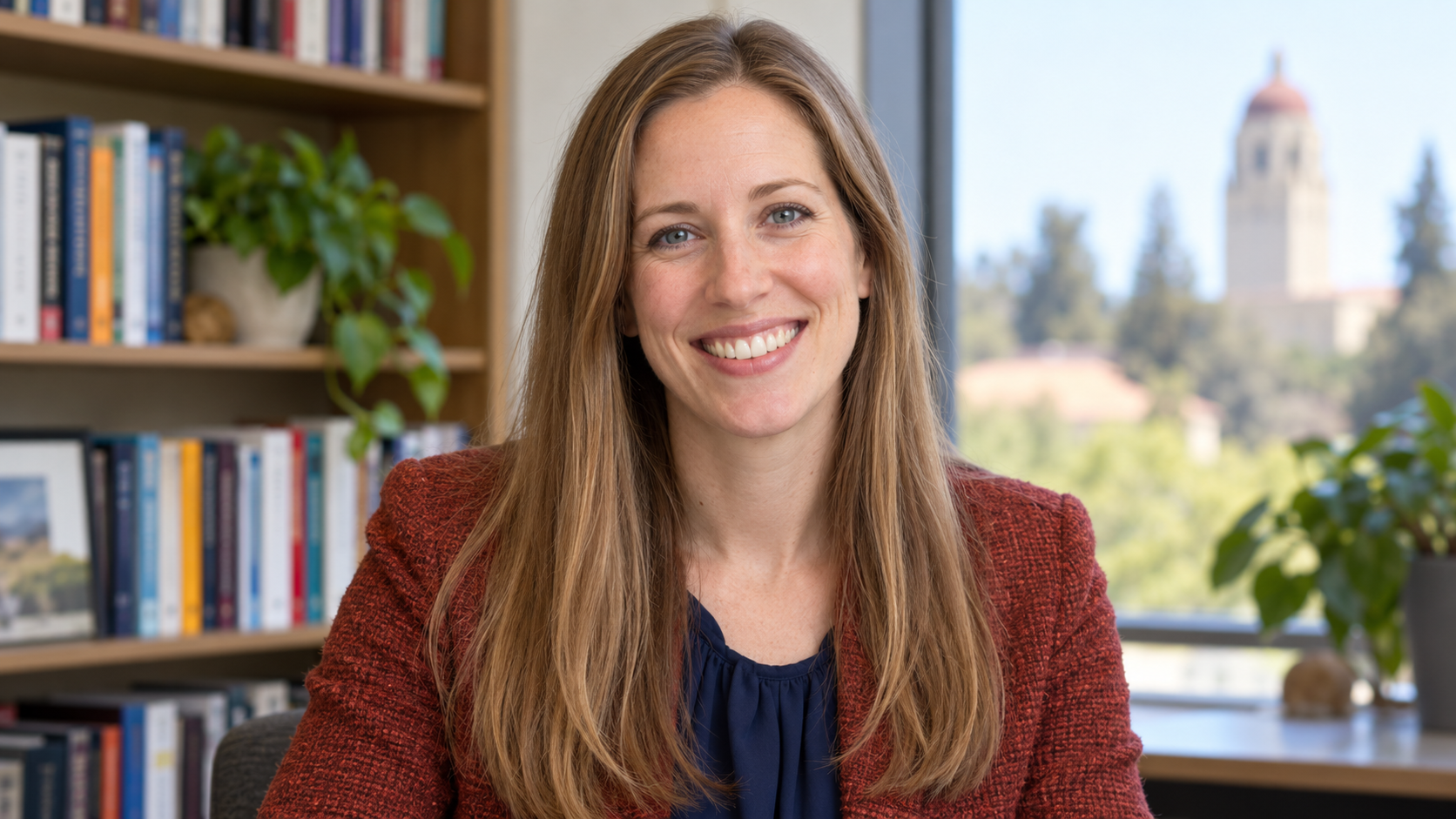
“It’s essential to recognize that mindsets are not peripheral, but central to health and behavior.”
Alia Crum made this statement in a Stanford Report article published on June 11, 2018. The psychologist was discussing research on how people’s expectations and the social context of an experience can influence health and behavior. The Profile later reproduced the sentence in its public introduction to a dossier about her work. Crum’s emphasis makes the person’s understanding part of the subject being studied, rather than an incidental detail outside it. The statement calls for attention to a psychological dimension of care. It does not establish a claim that a positive attitude cures disease or that someone is responsible for illness because they think incorrectly. Its useful challenge is more specific: when people interpret a treatment, an activity or an interaction, that interpretation deserves serious inquiry. Thoughtful care can consider the experience alongside the practical and medical work that the situation requires.
An expectation is often shaped before someone has a chance to ask a question. The words on a form, an unexplained result or a hurried conversation can suggest what an experience will mean. An institution can examine those signals without assuming that it controls every response. For example, explaining the purpose of an appointment may help a person understand what can be discussed and what remains uncertain. That is an illustration of respectful communication, not a prescribed technique or a guarantee about its effects. The broader point is that clarity matters because people arrive with interpretations, concerns and previous experiences. Asking about those perspectives can reveal an assumption that otherwise stays hidden. A researcher may study the influence of expectations; a care team can also listen carefully to the expectations a person brings. Both forms of attention begin by recognizing that understanding is part of the encounter.
The quote becomes less useful when mindset is treated as another standard that a patient must satisfy. People can feel afraid, disappointed or doubtful and still deserve competent, compassionate help. A request for optimism should never replace an explanation, access to resources or investigation of a concern. Crum’s sentence can instead encourage curiosity: what does someone believe will happen, where did that belief come from and what information would make the situation clearer? Those questions allow for differences without assigning blame. For readers, the statement offers an opportunity to notice how an assumption shapes the way they approach an experience. It may be possible to revise an interpretation while still acknowledging the difficulty of the circumstances. The aim is careful understanding, supported by evidence and by the person’s own account. Giving mindset a serious place in health means studying and discussing its role responsibly, with neither dismissal nor an expectation that thought alone can carry the burden of care.
People bring interpretations to an appointment or an activity. Those interpretations may stay invisible unless someone asks about them.
Listening can reveal uncertainty or a mistaken assumption. Clear explanations provide a basis for a more informed discussion.
Taking mindset seriously does not mean judging someone for fear or doubt. The experience deserves attention without becoming a test of attitude.
A person’s concern can be heard alongside the evidence and the available support. Respect does not depend on an optimistic response.
Crum’s statement asks for serious inquiry into expectations and social context. Its scope should remain connected to the evidence being considered.
A psychological perspective can contribute to care without carrying every responsibility within it. Keep explanations, resources and appropriate treatment in view.
Explore more "Quotes of The Day"
Discover more notable quotes from influential voices across politics, science, business, technology, sports, and culture. Each quote offers insight into how ideas, beliefs, and decisions shape the world around us.