

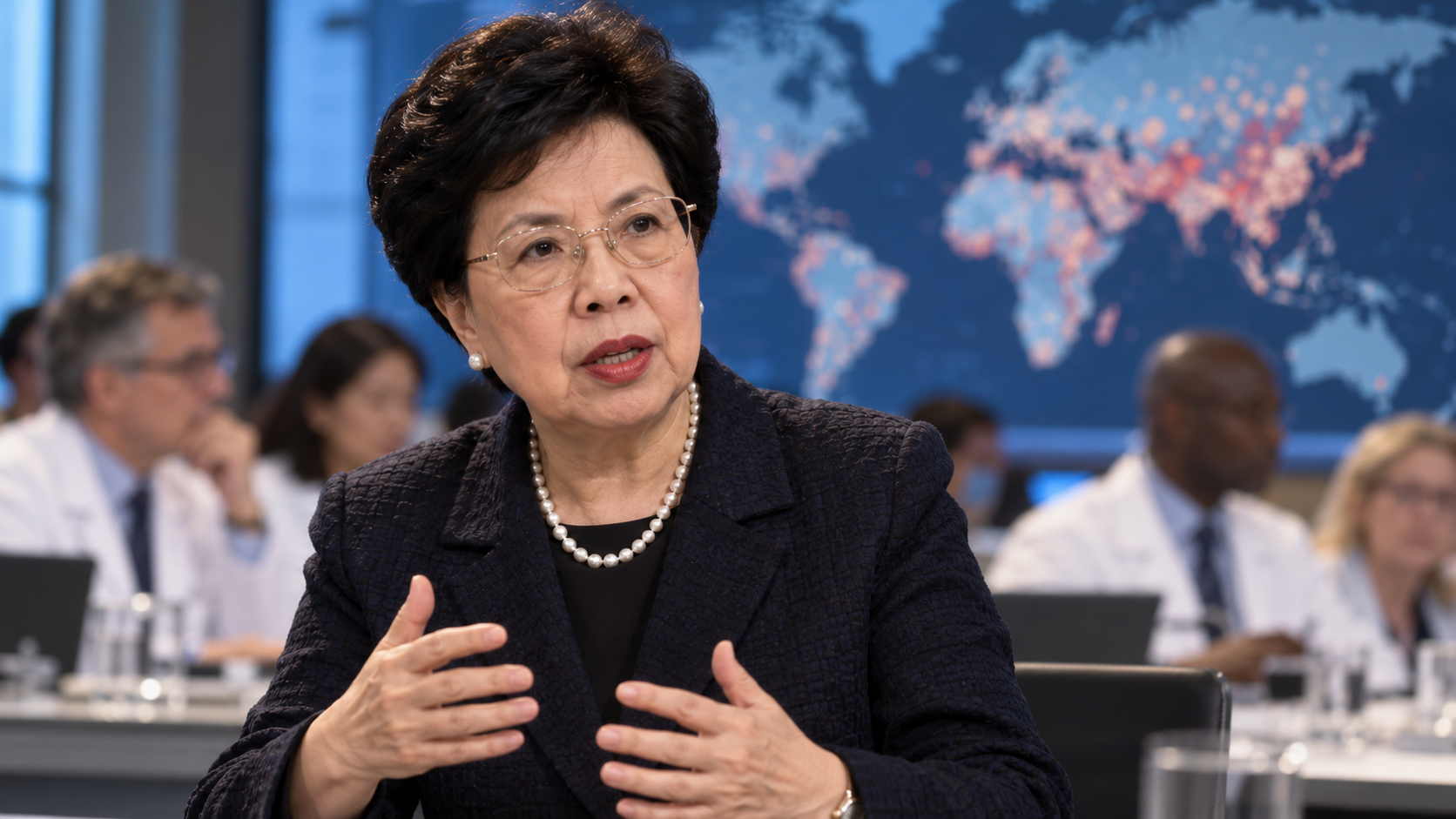
“The world is on the brink of losing these miracle cures.”
Margaret Chan delivered this warning on World Health Day in 2011, when the World Health Organization focused on antimicrobial resistance. Her speech recalled how antibiotics had transformed once-deadly infections and then described resistance moving faster than the development of replacement drugs. “These miracle cures” referred to antibiotics and other antimicrobials whose effectiveness was being weakened. WHO’s accompanying news release repeated the sentence and called for action by governments, health professionals, industry, civil society, and patients. The quotation was not a prediction that every medicine would suddenly stop working. It was a warning that a shared therapeutic resource can be eroded through patterns of use, weak infection control, poor regulation, and insufficient research.
Resistance develops through biology, but policy and practice influence the pressure under which resistant organisms spread. Unnecessary exposure can favor resistance, while interrupted access or poor-quality medicines can also undermine treatment. Hospitals, farms, pharmacies, laboratories, manufacturers, and public agencies therefore hold different parts of the problem. Stewardship means using an antimicrobial when evidence supports it, selecting and administering it appropriately, and reviewing the decision as information changes. It does not mean withholding needed treatment or placing responsibility on a patient without considering how prescribing systems and access are organized.
The sentence remains relevant because modern care depends on effective antimicrobials far beyond the treatment of a single infection. Surgery, cancer therapy, transplantation, and care for premature infants can all rely on the ability to prevent or control infection. Protecting that ability requires surveillance, vaccination, sanitation, diagnostic capacity, responsible prescribing, and research into new tools. No one intervention permanently solves resistance, and local patterns should guide clinical decisions. Chan’s phrase gives the issue urgency without supplying a shortcut. The practical response is coordinated stewardship that preserves benefit today while reducing avoidable pressure on the medicines people will need tomorrow. Preserving antibiotic effectiveness therefore depends on coordinated action outside any single clinic. Surveillance laboratories, infection prevention, vaccination, sanitation, agriculture, manufacturing standards, and incentives for new treatments all contribute to the shared defense. Stewardship works best when patients can still obtain timely diagnosis and effective medicine wherever they may actually live.
Chan’s 2011 remarks addressed antimicrobial resistance and the loss of effectiveness in essential medicines.
WHO framed the problem as a result of biological change interacting with human use and weak systems.
Prescribers, laboratories, hospitals, pharmacies, agriculture, regulators, and manufacturers all influence resistance.
Responsible use includes giving needed treatment while reducing exposure that evidence does not support.
Antimicrobials support surgery, cancer care, transplantation, and many other forms of treatment.
Surveillance, infection prevention, diagnostics, research, and appropriate prescribing have to work together.
Explore more "Quotes of The Day"
Discover more notable quotes from influential voices across politics, science, business, technology, sports, and culture. Each quote offers insight into how ideas, beliefs, and decisions shape the world around us.