

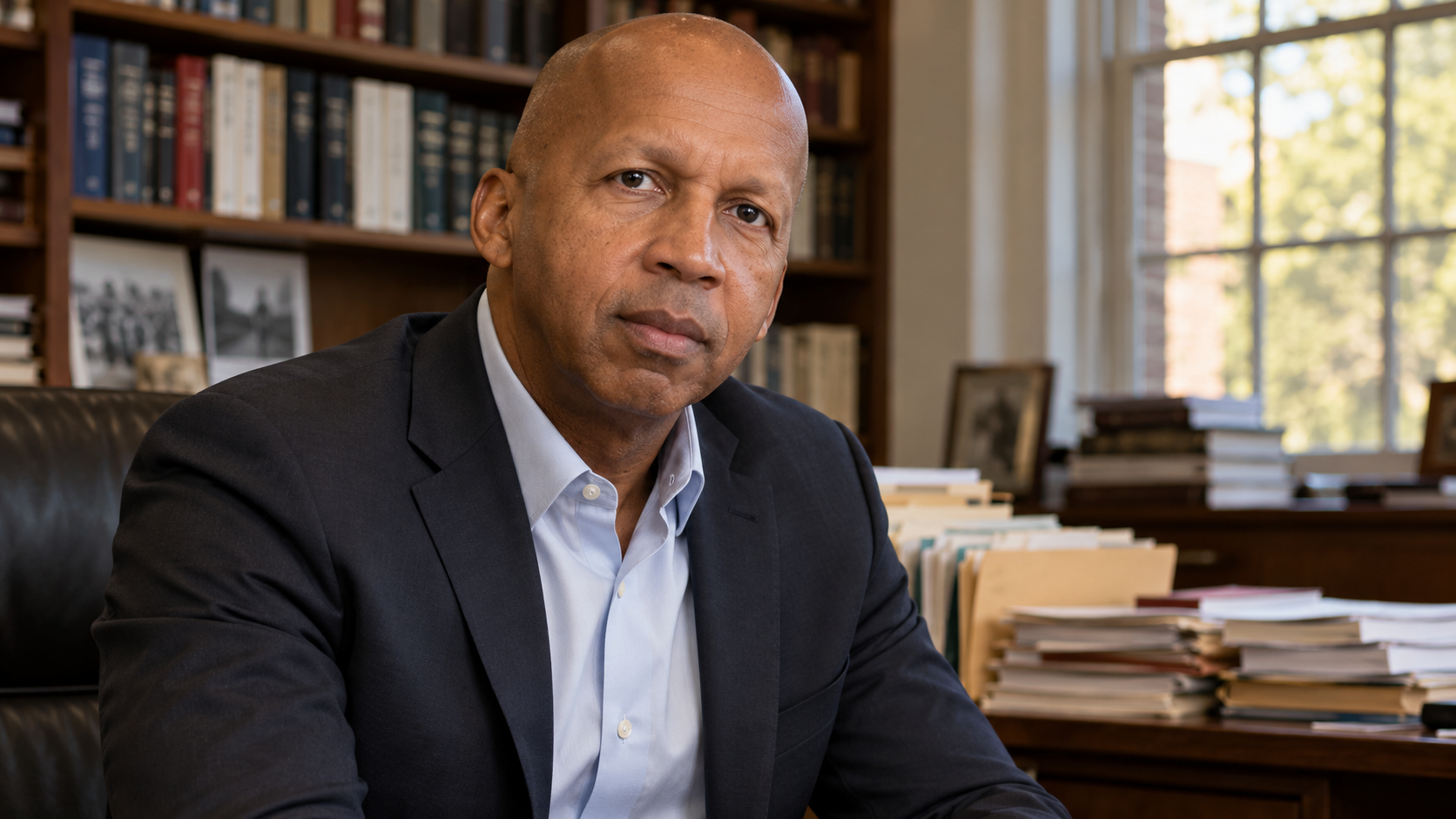
“Each of us is more than the worst thing we’ve ever done.”
Bryan Stevenson states this principle in Just Mercy, his 2014 account of representing people facing death sentences, wrongful convictions, poverty, and unequal treatment in the legal system. As founder of the Equal Justice Initiative, Stevenson had spent years meeting clients at moments when courts and the public often treated a conviction as the complete definition of a person. The sentence argues for a larger moral record without denying that harm can be real.
“More than” is not “unrelated to.” Accountability still requires truth, consequences, restitution where possible, and protection for people who have been harmed. The quote rejects totalization: the move from “a person did this” to “this is all the person is.” Human beings also contain histories, capacities, relationships, remorse, illness, growth, and the possibility of making different choices. A just response can take wrongdoing seriously without erasing every other fact.
The principle must not be used to pressure victims into forgiveness, renewed contact, or silence. People are entitled to boundaries and safety, and some harms have permanent effects. Mercy is not the same as absence of consequence. It asks whether punishment is proportionate, whether systems allow repair and change, and whether dignity depends on moral perfection—a standard no one could meet.
The line matters beyond criminal justice. Workplaces, families, and online communities can freeze people inside a mistake long after useful accountability has occurred. Apply a two-part discipline: describe the harm specifically, then describe the person without making the harm the only available noun. For your own failures, make repair before seeking reassurance, and build practices that reduce repetition. Stevenson’s sentence offers neither cheap innocence nor permanent condemnation. It creates room for a more demanding hope: that responsibility and human complexity can be held at the same time. Institutions can embody that hope through review, education, proportionate consequences, and genuine paths back to participation. A second chance should not depend only on charisma, wealth, or the sympathy of a powerful person. Fair procedures make mercy less arbitrary while keeping safety visible. They also give change somewhere concrete to go: a record can be corrected, a skill demonstrated, a debt repaid, or trust rebuilt in stages. The possibility of return makes accountability a path, not merely a label imposed at the end of one. It reminds everyone that justice concerns the future as well as the past. A humane system must make room for evidence of real, sustained change.
Stevenson used the principle in Just Mercy, his 2014 memoir about defending poor, condemned, and sometimes wrongfully convicted people.
His legal work showed how courts and public narratives can reduce a whole person to a charge, sentence, or worst act.
The quote does not erase harm or require victims to forgive, reconcile, or surrender safety and boundaries.
Mercy can include consequences and repair. It rejects permanent dehumanization, not honest accountability.
Digital records and public shaming can keep mistakes permanently visible while hiding evidence of growth or context.
Name the harm precisely, require appropriate repair, and refuse language that treats one act as the entirety of a human being.
Explore more "Quotes of The Day"
Continue exploring how writers, thinkers, artists, and advocates have described the choices that shape an everyday life.