

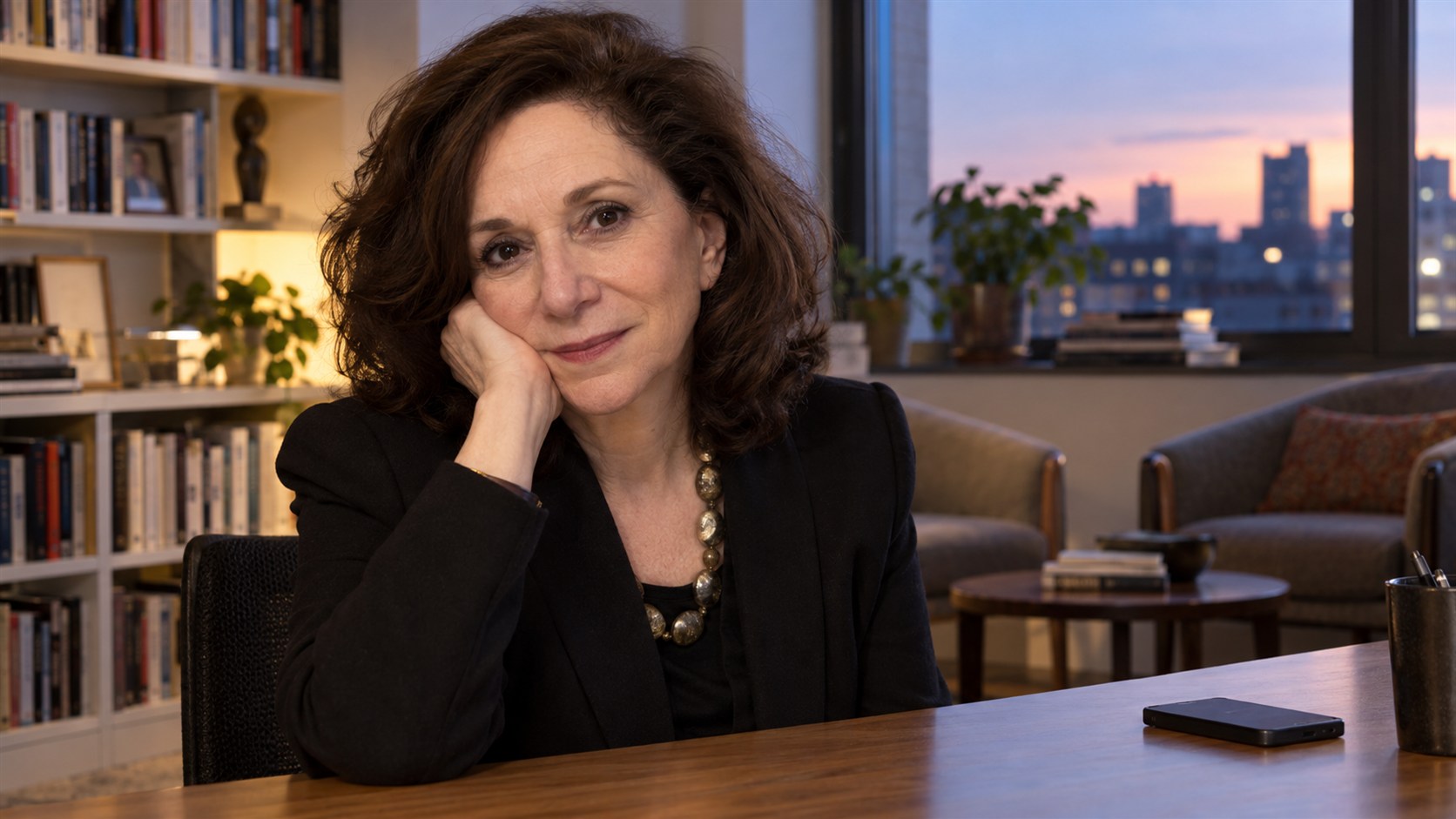
“As we expect more from technology, do we expect less from each other?”
The source for “As we expect more from technology, do we expect less from each other?” is Connected, but Alone?, associated with Sherry Turkle in 2012. In that setting, the source examined how mobile devices and mediated communication can offer control while reducing tolerance for the unpredictability of conversation. Turkle asks for a more deliberate relationship with tools rather than a simple rejection of technology. October 12 names the post’s place in the NewsStreets calendar and does not imply that the quotation originated on this date. The separation keeps attribution precise while allowing the idea to meet a reader in the present.
Convenient contact can coexist with diminished attention if people use technology mainly to edit, avoid, or interrupt one another. That interpretation becomes especially relevant because phones now accompany meals, meetings, caregiving, and solitude, making partial attention feel ordinary rather than chosen. Instead of treating the quotation as permission for a dramatic gesture, begin with an observable practice: protect one device-free conversation and notice both the awkwardness and the information that uninterrupted presence allows. Small scale is not a weakness here. It makes the claim testable, reveals constraints, and gives other people a chance to respond before the idea hardens into habit or policy.
The important limit is that digital communication also creates access, safety, community, and connection, especially across distance or disability. The quotation’s brevity cannot carry every exception, unequal risk, or competing duty. A responsible reader keeps the insight and the missing context in view together. Ask whose choices are expanded, whose labor is assumed, what evidence could change the judgment, and whether the same advice would be fair if roles were reversed.
Phones now accompany meals, meetings, caregiving, and solitude, making partial attention feel ordinary rather than chosen. Under those conditions, the line still matters as a prompt for clearer attention. Try to protect one device-free conversation and notice both the awkwardness and the information that uninterrupted presence allows. Afterwards, examine whether the result increased clarity, dignity, connection, access, or agency. Turkle asks for a more deliberate relationship with tools rather than a simple rejection of technology. If the outcome does not match the aspiration, revise the method rather than defending the quotation. That is how a concise idea can support practical wisdom without claiming more authority than its source provides. Careful revision gives the insight a fairer and more durable form for other people too.
Sherry Turkle used the line in Connected, but Alone?, documented in 2012. The source examined how mobile devices and mediated communication can offer control while reducing tolerance for the unpredictability of conversation.
Turkle asks for a more deliberate relationship with tools rather than a simple rejection of technology. October 12 is only this series placement; it is not presented as the date when the words were first delivered.
Convenient contact can coexist with diminished attention if people use technology mainly to edit, avoid, or interrupt one another.
digital communication also creates access, safety, community, and connection, especially across distance or disability.
Phones now accompany meals, meetings, caregiving, and solitude, making partial attention feel ordinary rather than chosen.
A measured way to act on the idea is to protect one device-free conversation and notice both the awkwardness and the information that uninterrupted presence allows.
Explore more "Quotes of The Day"
Continue exploring how writers, thinkers, artists, and advocates have described the choices that shape an everyday life.