

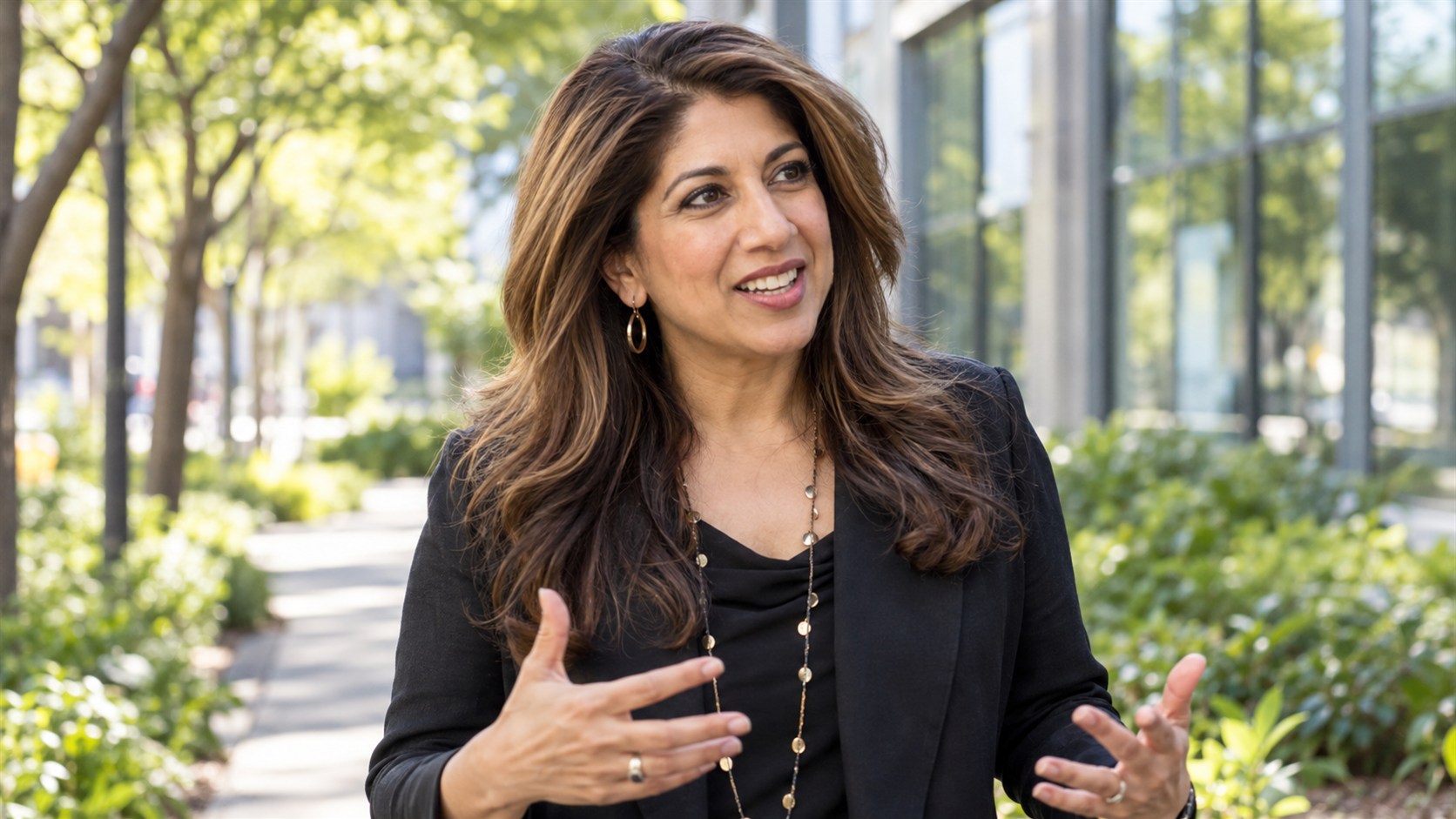
“Sitting has become the smoking of our generation.”
“Sitting has become the smoking of our generation.” comes from Nilofer Merchant’s Got a Meeting? Take a Walk. There, the source used a vivid analogy to encourage walking meetings and to challenge the amount of time knowledge workers spend seated. The surrounding argument matters: Merchant makes environment and meeting design part of health behavior rather than placing the entire burden on willpower. The calendar label October 20 simply locates the article in this series; 2013 identifies the quotation’s documented setting. Keeping source and series date separate avoids the false impression that the line was tied historically to this day.
Routine movement can be designed into ordinary work instead of reserved for a separate exercise session that may never occur. The sentence offers a lens rather than a complete program. It becomes concrete in a world where remote calls and desk-based jobs can remove even the small transitions that once broke up long periods of sitting. One measured response would be to convert one suitable conversation into an accessible walk, standing option, or movement break while preserving participation for everyone. That step creates evidence a reader can inspect instead of leaving the idea at the level of admiration. It also respects the fact that useful change is often iterative: act, observe, and adjust.
Important nuance begins here: the comparison is rhetorical rather than a literal equivalence of health risks, and walking meetings are not accessible or appropriate for everyone. A maxim can illuminate one choice and still mislead when applied without context. Resources, authority, disability, care obligations, and risk are not evenly distributed. The question is therefore not only whether “Sitting has become the smoking of our generation.” feels true, but when it clarifies responsibility, when it oversimplifies, and who will absorb the consequence of a decision made in its name.
Remote calls and desk-based jobs can remove even the small transitions that once broke up long periods of sitting. That is why the quotation retains value now. Use it as an invitation to inquiry: convert one suitable conversation into an accessible walk, standing option, or movement break while preserving participation for everyone. Notice what the action changes, and listen for information that challenges the first interpretation. Merchant makes environment and meeting design part of health behavior rather than placing the entire burden on willpower. The most durable reading joins the energy of the line to humility about its reach, producing a practice that can be evaluated rather than a slogan that merely decorates belief. That review keeps present choices open to better evidence and shared judgment.
Nilofer Merchant used the line in Got a Meeting? Take a Walk, documented in 2013. The source used a vivid analogy to encourage walking meetings and to challenge the amount of time knowledge workers spend seated.
Merchant makes environment and meeting design part of health behavior rather than placing the entire burden on willpower. October 20 is only this series placement; it is not presented as the date when the words were first delivered.
Routine movement can be designed into ordinary work instead of reserved for a separate exercise session that may never occur.
the comparison is rhetorical rather than a literal equivalence of health risks, and walking meetings are not accessible or appropriate for everyone.
Remote calls and desk-based jobs can remove even the small transitions that once broke up long periods of sitting.
A measured way to act on the idea is to convert one suitable conversation into an accessible walk, standing option, or movement break while preserving participation for everyone.
Explore more "Quotes of The Day"
Continue exploring how writers, thinkers, artists, and advocates have described the choices that shape an everyday life.