

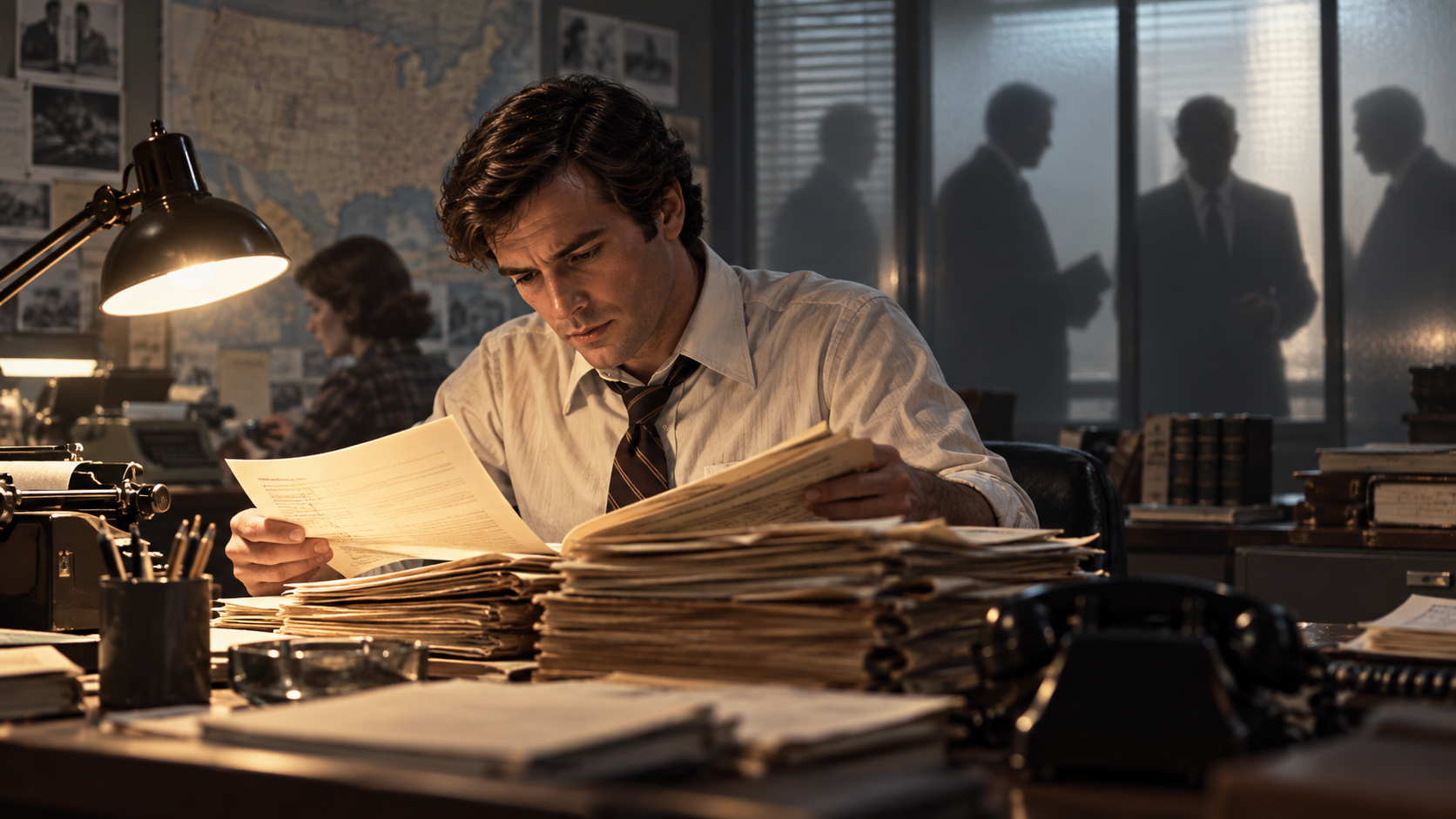
“Only a free and unrestrained press can effectively expose deception in government.”
Justice Hugo L. Black wrote this sentence when the Supreme Court rejected the federal government’s attempt to stop the New York Times and Washington Post from publishing the Pentagon Papers in 1971. The classified study documented the history of American decision-making in Vietnam. The government sought prior restraints, arguing that publication threatened national security. A divided Court ruled that the government had not met the extraordinary burden required to block publication. Black’s concurrence took the broadest view, emphasizing that the press was protected so it could inform the governed and expose official deception rather than serve those in power.
The quotation is not a claim that classification is never legitimate or that journalists should publish every secret they obtain. News organizations weigh potential harm, verify documents, consult knowledgeable sources, and sometimes withhold operational details. The constitutional issue in the Pentagon Papers case was whether courts should prevent publication on the government’s predictions of damage. For reporting, the episode shows why officials cannot be the sole judges of information that reveals their own conduct. It also shows the difference between prior restraint and accountability after publication, a distinction often lost in simplified debates about leaks.
Government secrecy remains necessary in limited areas and dangerous when used to hide error, misconduct, or embarrassment. Investigative journalism tests secrecy claims by examining the public interest, the age and sensitivity of information, and foreseeable harm. Readers need enough explanation to understand both the disclosure and the risks considered by editors. Black’s sentence endures because deception backed by state authority can shape wars, budgets, and public trust. A free press does not guarantee exposure, but a restrained press makes exposure dependent on the permission of the institution being examined.
Black’s defense of an unrestrained press is strongest when paired with exact reporting about secrecy. Governments may have legitimate reasons to protect particular operational details, personal data, or active investigations, but broad claims of national security can also conceal error, illegality, or political embarrassment. A newsroom confronting leaked material should assess authenticity, public significance, foreseeable harm, and whether sensitive details can be withheld without suppressing the essential findings. It should seek a government response while refusing to let an unsupported warning end the inquiry. The quotation also places responsibility on publishers: freedom from prior restraint does not relieve them of source protection, verification, proportionality, or correction. Its enduring relevance is therefore institutional rather than romantic. Democratic oversight depends on reporters able to examine records the state would prefer to keep hidden, and on editors willing to explain both why publication serves the public and how avoidable harm was considered.
The Pentagon Papers were a Defense Department history of U.S. involvement in Vietnam. After newspapers began publishing excerpts, the Nixon administration sought emergency court orders to stop them.
The ruling did not erase all national-security limits or settle every leak dispute. It placed a heavy burden on government attempts to prevent publication in advance, while leaving editors responsible for verification and harm assessment.
Leaks, classification, and injunction requests still force newsrooms to balance public knowledge against genuine risk. Independent judgment is crucial when the institution claiming secrecy is also the subject of the reporting.
Explore more "Quotes of The Day"
Discover more notable quotes from influential voices across politics, science, business, technology, sports, and culture. Each quote offers insight into how ideas, beliefs, and decisions shape the world around us.