

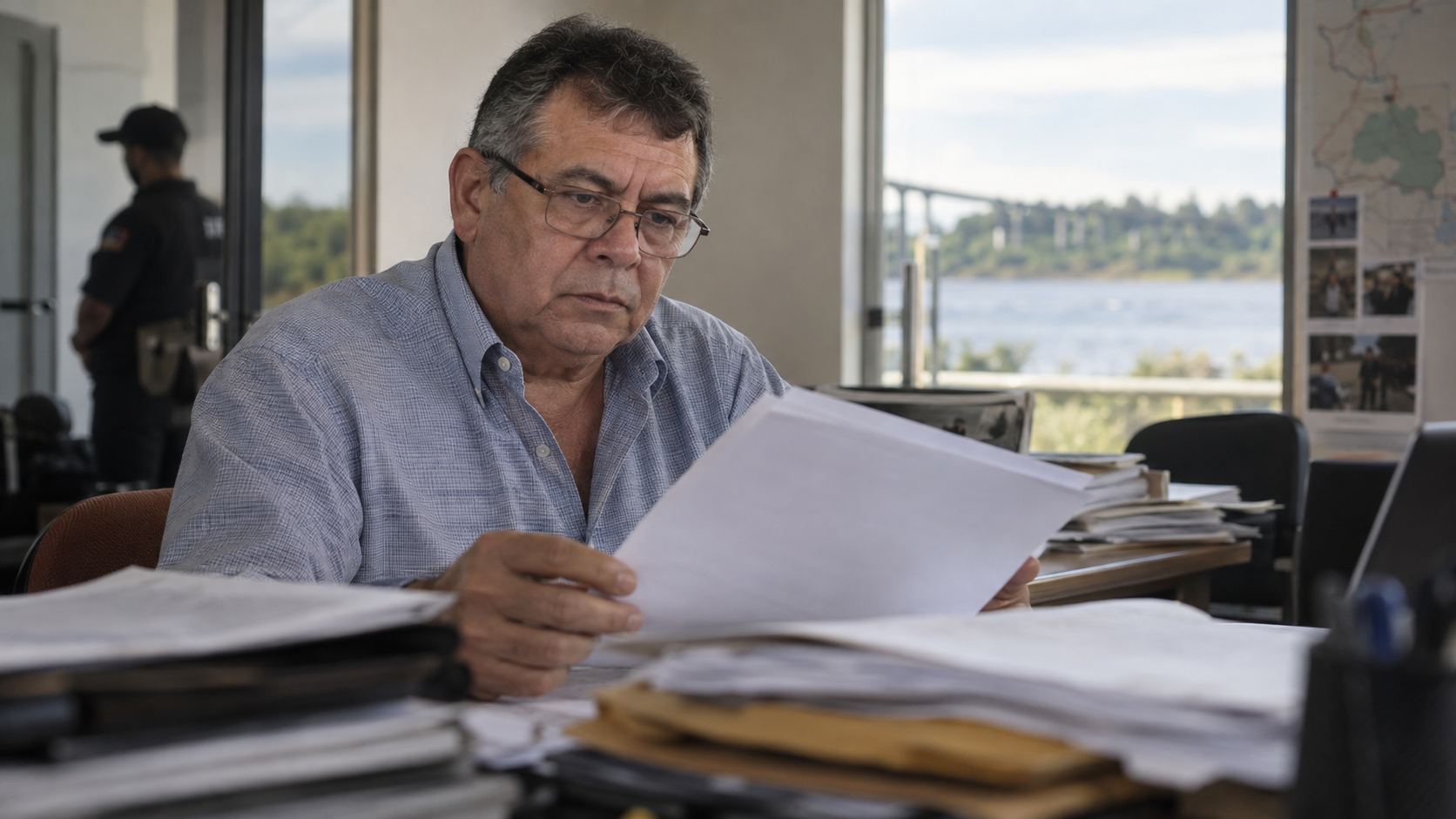
“I believe that what I'm doing is my duty and my obligation as a journalist who is committed to the truth.”
Paraguayan reporter Cándido Figueredo Ruíz made this statement in his prepared speech for the 2015 Committee to Protect Journalists awards. Reporting from Pedro Juan Caballero near the Brazilian border, he investigated drug trafficking, smuggling, corruption, and alleged links between politicians and criminal networks. Repeated death threats forced him to live under continuous police protection for decades. He explained that he had never entered his work in journalism contests because exposing wrongdoing was an obligation, not a performance designed to win recognition.
Reporting on organized crime requires evidence that can survive both legal scrutiny and violent pressure. Journalists should establish the provenance of documents, corroborate claims through independent sources, and distinguish a person’s association from proof of criminal conduct. Financial records, court files, property data, company ownership, and official enforcement actions can reveal patterns that individual accusations cannot. Every person or institution named should receive a meaningful opportunity to respond, and unresolved contradictions should be presented clearly rather than forced into a cleaner narrative.
Security cannot rest on the reporter alone. A newsroom covering trafficking or corruption needs threat assessments, secure communications, controlled access to source identities, safe transportation, legal counsel, and plans for relocation. Sensitive evidence should be encrypted and distributed so an attack cannot erase the investigation. Editors must decide when withholding a tactical detail protects lives without weakening the central finding. Local partners deserve full credit, fair compensation, and a voice in publication timing because they often remain exposed after outside attention moves on.
Figueredo also honored colleagues killed while serving as voices for people with little power. Commemoration should lead to continued reporting on the institutions and networks connected to their deaths. Tracking investigations, prosecutions, acquittals, and stalled cases can reveal whether authorities confront masterminds or focus only on direct perpetrators. Reporters should examine witness protection, prosecutorial independence, conflicts of interest, and unexplained delays instead of counting an arrest as resolution. Cross-border cases benefit from shared timelines that reconcile names, companies, court filings, and enforcement actions across jurisdictions. The quote remains important because duty is not the same as recklessness. A commitment to truth requires methods that reduce preventable harm, correct mistakes, and keep evidence accessible to the public. Awards may draw attention to the work, but sustained accountability depends on newsrooms, courts, readers, and professional groups protecting the conditions that make the work possible. The most meaningful recognition is a public record strong enough to outlast threats and useful enough to support reform.
Figueredo used the sentence in his 2015 CPJ speech after years of threats and round-the-clock protection connected to investigations on Paraguay's border with Brazil.
Organized-crime reporting needs document provenance, independent corroboration, careful attribution, meaningful replies, secure source handling, and conclusions proportionate to evidence.
Distributed records, legal support, relocation plans, fair local partnerships, and persistent monitoring of impunity turn individual duty into sustainable accountability.
Explore more "Quotes of The Day"
Discover more notable quotes from influential voices across politics, science, business, technology, sports, and culture. Each quote offers insight into how ideas, beliefs, and decisions shape the world around us.