

“Where, after all, do universal human rights begin?”
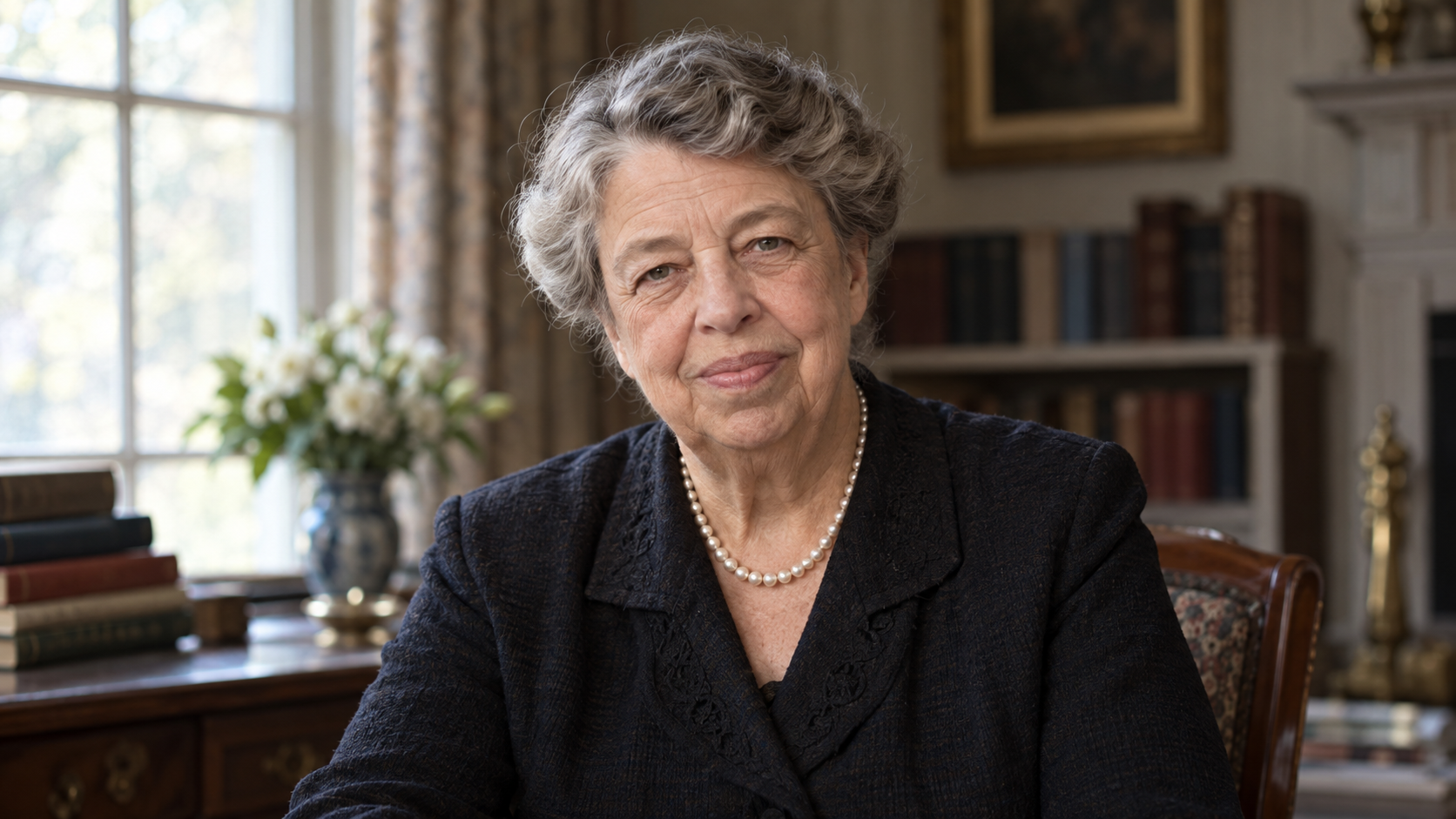
Eleanor Roosevelt asked this question in remarks known as “The Great Question,” delivered at United Nations headquarters in New York on March 27, 1958. She had chaired the commission that helped develop the Universal Declaration of Human Rights, adopted by the United Nations General Assembly in 1948. Her question shifts attention from the scale of that international achievement to the experiences through which people encounter rights. The answer in the surrounding passage points toward places close to home: neighborhoods, educational institutions, and places of work. Roosevelt’s point is that universal principles become meaningful through ordinary treatment. An international declaration may state what every person deserves, but a person still experiences fairness or discrimination in a particular classroom, office, street, or community. The distance between those levels is the problem her question makes visible.
This is a political argument about implementation, not simply advice to be kind. Roosevelt’s examples concern equal justice, opportunity, and dignity, and the passage calls for citizen action to uphold those standards. Local institutions distribute opportunities, enforce rules, and make decisions that can affect a person’s freedom and standing. A universal right cannot be evaluated only by the elegance of the words used to announce it. One must also examine who can claim it, what happens when it is denied, and whether an effective remedy exists. The question does not suggest abandoning international agreements in favor of private goodwill. Roosevelt’s work at the United Nations places local action within a larger project of defining shared standards. Institutions and individuals have connected responsibilities; a promise at one level needs practical support at another.
A useful contemporary reading begins with specific experiences rather than a claim that a community already respects everyone’s rights. Can people participate in decisions affecting them? Are rules applied consistently? Can someone challenge an unfair exclusion without facing further disadvantage? These questions translate the passage’s emphasis on everyday settings into matters that citizens can investigate. They are also easier to test than a broad statement of national virtue. The quotation should not be used to make individuals solely responsible for failures that governments or powerful institutions have a duty to address. Concerted action may involve asking for public accountability, improving procedures, or securing enforceable protections, as well as changing personal conduct. Roosevelt’s question retains force because it makes human rights both universal in principle and observable in practice. The intended beneficiary is an actual person, whose experience can expose the gap between declared equality and lived treatment. February 3 is this entry’s calendar position; Roosevelt spoke in March 1958.
Roosevelt delivered “The Great Question” at United Nations headquarters in 1958, a decade after the adoption of the Universal Declaration of Human Rights.
The question introduces examples from ordinary life. Its purpose is to connect the language of international rights with the places in which people seek fair treatment.
The passage makes implementation central. A right has practical meaning when a person can experience its protection in daily dealings.
Local responsibility does not erase government responsibility. Personal goodwill alone cannot replace institutions that protect rights and provide remedies.
The United Nations continues to cite the passage when discussing human dignity and citizen participation. This later use reflects its enduring connection between global standards and local experience.
Schools, workplaces, and neighborhoods provide concrete starting points for evaluating fairness. Attention to these settings makes rights claims open to evidence rather than ceremony alone.
Explore more "Quotes of The Day"
Discover more notable quotes from influential voices across politics, science, business, technology, sports, and culture. Each quote offers insight into how ideas, beliefs, and decisions shape the world around us.